The Japanese yen’s recent surge against the Hong Kong dollar has had only a minor effect on travel demand, but industry representatives warn that persistent inflation in Japan and concerns over potential earthquakes are weighing more heavily on tourism.
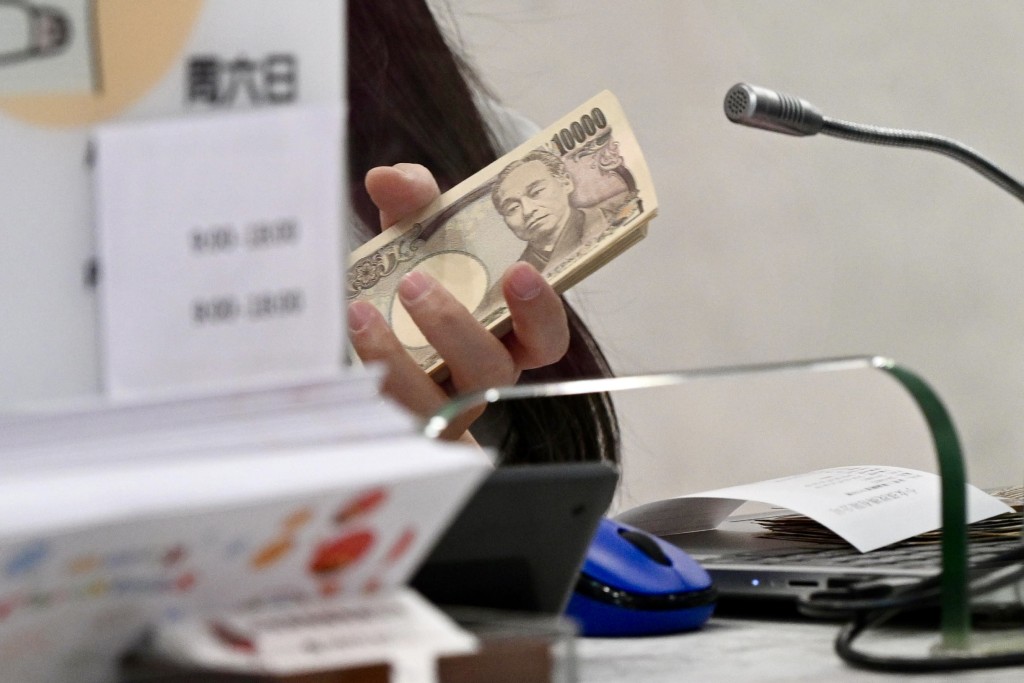
The yen strengthened sharply against US dollar this week, breaching the 141 level, with 100 yen now exchanging for over HK$5.5.
The rally comes as the US government's aggressive trade policies, including tariff hikes, have fueled market volatility.
Yuen Chun-ning, executive director of Hong Kong-based travel agency WWPKG, said the currency fluctuation alone would not significantly deter travelers.
"If we only consider the exchange rate, the impact is minimal," Yuen said. "Post-pandemic inflation in Japan has already driven up costs for hotels, train tickets, attractions, and dining, so the additional pressure from the yen’s rise is marginal."
He added that package tours, with pre-booked flights and accommodations, would proceed regardless.
(sing tao file) Yuen Chun-ning, executive director of travel agency WWPKG
"For group tours, everything is locked in early—travelers will go anyway," Yuen said.
While the yen remains stronger than its recent lows, Yuen noted that savvy travelers had already been advised to exchange currency at around 5.2.
"Five-point-five isn’t an extreme level," he said, adding that Trump’s trade policies had been expected to push the yen higher.
The bigger concern, Yuen emphasized, is the lingering unease over earthquake risks.
He predicted that Japan-bound tour numbers this year would fall short of 2024 figures.
Meanwhile, airline seat capacity to Japan currently exceeds demand, leading to unusually low fares.
"Some non-budget carriers are offering round-trip tickets to Japan for just over HK$ 2,000 during the summer peak, including 23 kilograms of luggage—a record low," Yuen said.
Airlines are adjusting schedules in response as Greater Bay Airlines earlier announced to cut its Hong Kong-to-Tokushima route from three weekly flights to two starting May 12.
A Greater Bay Airlines spokesperson said the adjustment was a "routine response to market conditions," including shifting consumer demand. Industry sources confirmed other carriers are making similar cuts.
Sources also indicated that Hong Kong Airlines will reduce flights to Japan between May and June, cutting 24 round-trip flights to Fukuoka, 10 to Nagoya, and 14 to Sapporo.
Ayra Wang