Hong Kong labor groups are urging the government to tighten oversight for foreign worker and talent importation programs, warning that unchecked labor inflows are undermining job opportunities for residents and suppressing wages in key industries.
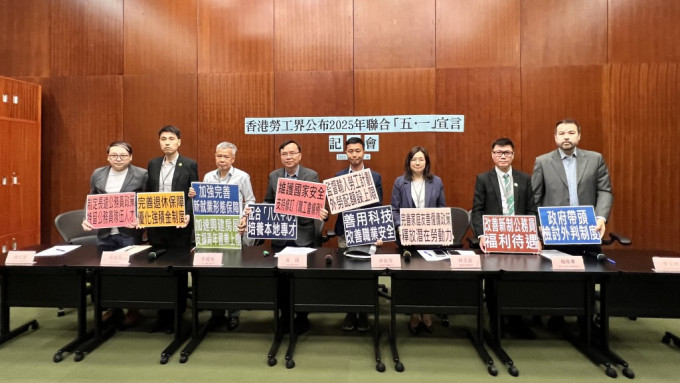
The appeal comes ahead of Labor Day on May 1, with nine major labor organizations outlining 10 policy demands, which push for stronger protections for workers' rights and higher-quality employment opportunities amid economic challenges.
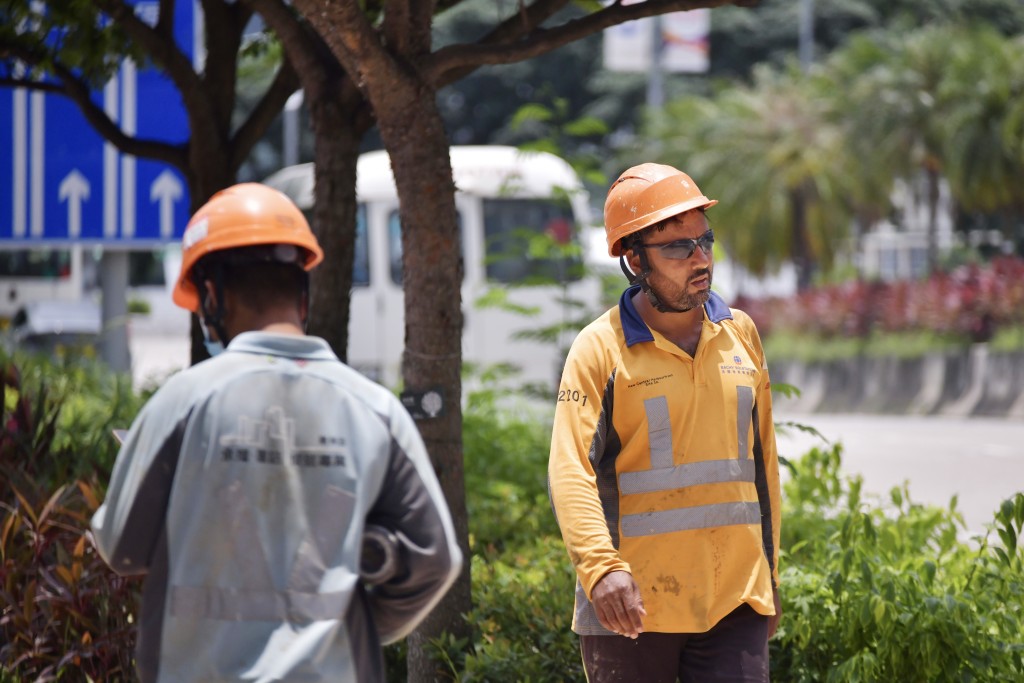
Among the proposals are stricter controls on foreign labor, including freezing and gradually reducing quotas under the Enhanced Supplementary Labour Scheme, which allows the hiring of non-local workers in 26 sectors. Unions are demanding per-sector caps to prevent oversaturation.
Other priorities include enhancing workplace safety through stricter inspections to reduce industrial accidents, revising the minimum wage adjustment formula to protect low-income workers, and accelerating the implementation of a "full portability" scheme for the Mandatory Provident Fund to improve retirement security.
(sing tao file)
Kingsley Wong Kwok, chairman of the Hong Kong Federation of Trade Unions and a lawmaker, warned that the rapid influx of foreign labor -- coupled with the rise of artificial intelligence -- is exacerbating job insecurity.
"Labor is the foundation of the economy, and the government must prioritize local workers,” Wong said.
Lam Chun-sing, lawmaker and chairman of the Federation of Hong Kong and Kowloon Labour Unions, noted that nearly 80,000 foreign workers have entered Hong Kong under various schemes.
However, he questioned whether such numbers remain justified, citing reduced construction projects and a downturn in the catering industry due to Hongkongers increasingly spending in mainland China.
The proposals also address concerns over civil service reforms, including the government’s plan to cut 10,000 public sector jobs.
Lee Fong-chung, chairman of the Federation of HKSAR Civil Servants, said that while the immediate impact may be limited, junior staff could face increased workloads.
He recommended greater use of technology and AI to maintain efficiency while reducing reliance on manpower.
Public sector unions are also calling for a review of outsourcing practices, advocating for long-term hires instead of temporary contracts for essential roles.
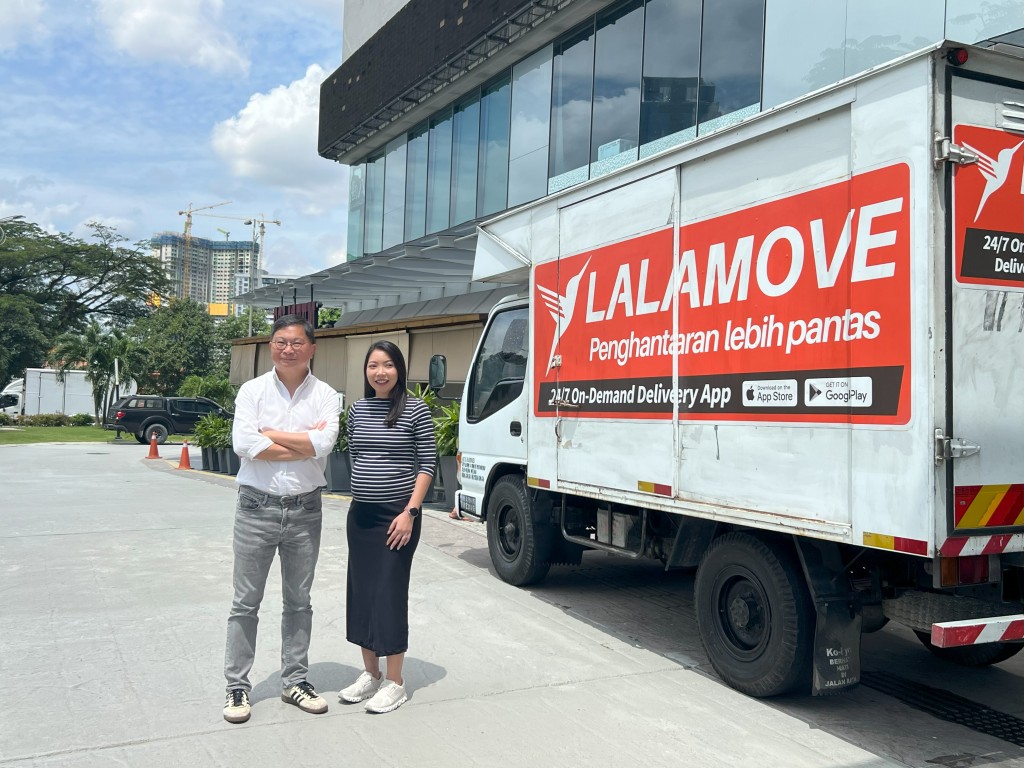
The demands also include updating trade union laws to address perceived loopholes and ensure national security, aligning higher education with Hong Kong’s industrial development strategy to enhance vocational training, and strengthening protections for gig economy workers, particularly food delivery personnel.
The groups also urged improvements to family-friendly workplace policies and elderly care support to encourage greater workforce participation, as well as faster construction of public housing to reduce waiting times.
Ayra Wang