Read More


Nvidia adds US$150 billion to existing share repurchase plan
28-09-2026 19:45 HKT

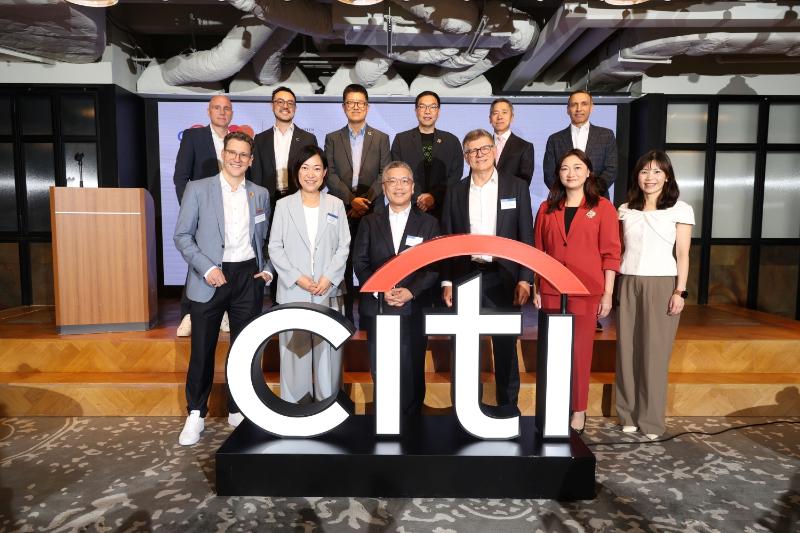
Citi pushes agentic AI take-up in HK finance, showcases Citi Sky
28-09-2026 18:59 HKT



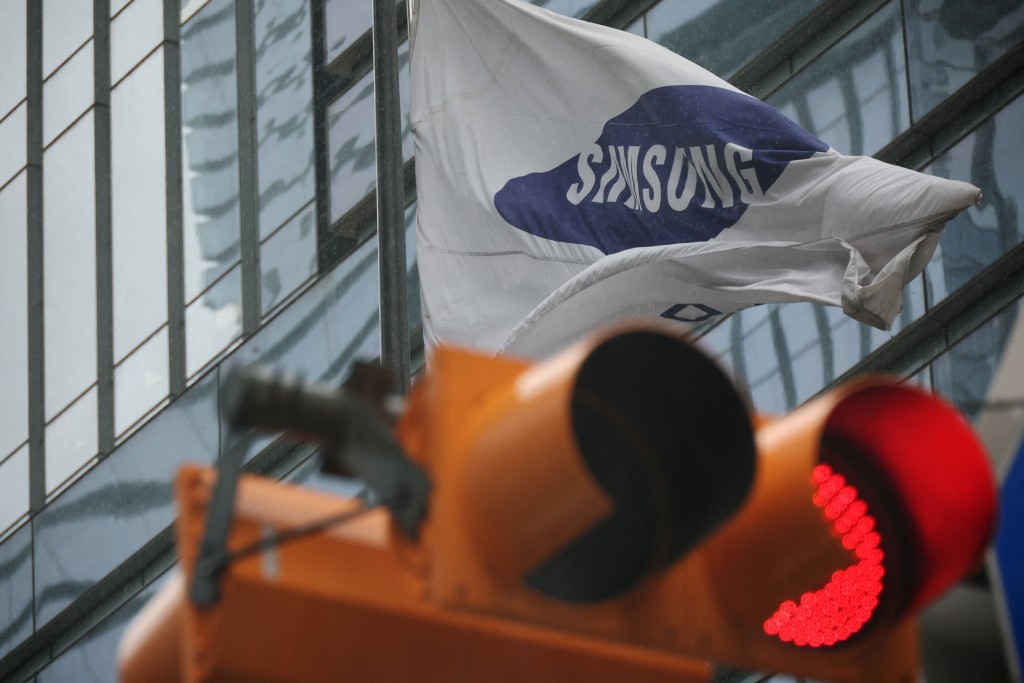
Samsung Group plans on Monday to pledge investment of 1,000 trillion won (US$648 billion) in South Korea over 10 years, part of an initiative that aims to turn the country's AI boom into a nationwide growth engine, a media report said.
Top executives from Samsung Electronics and SK Hynix — firms that have reaped huge profits as AI drives relentless demand for chips — will attend a meeting with President Lee Jae Myung and lay out investment plans targeting regions beyond Seoul, the Maeil Business Newspaper said on Friday.
Samsung's investment will include spending on AI data centres, batteries and displays as well as a potential 300 trillion won push to build chip factories in the country's southwest, it said without citing sources.
The concentration of the chipmakers' production facilities in areas around Seoul has long drawn political pressure, and has been amplified by Lee's push for balanced regional development.
Opposition lawmakers say the plan is politically driven, accusing the government of pressuring companies to invest in the ruling party's southwestern stronghold ahead of the party’s leadership contest.
The presidential office said it will unveil "three mega-projects" on Monday to drive a national leap forward. Policy adviser Kim Yong-beom added that the plans — spanning semiconductors, AI data centres and robotics — will be outlined jointly by government and industry, with significant investment expected.
Samsung and SK Hynix declined to comment.
South Korea has been a central player in and beneficiary of the global AI wave as it dominates global manufacturing of high-end memory chips that are crucial components in AI data centres.
Samsung Group is South Korea's biggest conglomerate, with chip giant Samsung Electronics as its crown jewel. Other big firms in the group include battery maker Samsung SDI 006400.KS and IT services company Samsung SDS 018260.KS.
Kim has said that SK Hynix and Samsung may need to bring forward projects slated for the 2040s to the mid-2030s because AI-driven memory demand was growing faster than expected, leaving no room, power or water in the capital region for expansion.
Further concentration of manufacturing capacity around Seoul risks inflating property prices and widening inequality, he said.
However, some experts question the wisdom of embarking on a chip hub in the southwest.
Securing skilled workers will be extremely difficult in the southwest, "and that will determine whether the project succeeds or fails," said Kim Tae-yun, a professor of administration at Hanyang University.
"Unless a truly cutting-edge fab is built, the local economic impact will be limited — it risks becoming little more than a construction project and a real estate boost."
The regional politics surrounding semiconductor investment became a flashpoint ahead of South Korea's June 3 local elections, and debate over where the next wave of funding should go has intensified as Lee's government has made AI a core economic policy priority.
Lee's approval rating has fallen to 51 percent, the lowest since his inauguration in June last year, Gallup Korea said on Friday.
Candidates across multiple regions have aggressively pitched their areas as a next semiconductor hub. Proposals ranged from a 500 trillion won chip complex in the southwest to expanded clusters in some regions, according to local media.
The debate has also stirred concern in existing chipmaking cities such as Icheon, where SK Hynix operates major plants and local finances are heavily tied to the company.
"Most of the city's tax revenue comes from SK's chip plant, and our welfare depends on it," said Jo Jun-taek, head of a grassroots group in Icheon.
"If a new cluster is created, we think SK will likely cut output here and eventually close the plant. That would cause an outflow of people — the city would become a ghost town."
Lee has promoted a plan to establish "five regional hubs and three special self-governing provinces" to counterbalance the dominance of the Seoul area, which accounted for 52.8 percent of South Korea's gross regional domestic product in 2024.
The disparity is particularly evident in Gwangju — a key southwestern city with one of the country's smaller regional economies and below-average per-capita output, according to official data.
Local media have reported that Samsung Electronics is considering Gwangju as a potential investment site.
Lee won 49.42 percent of the national vote in the June 2025 presidential election, but secured about 85 percent in Gwangju and neighbouring South Jeolla, election data showed.
The main opposition People Power Party has accused the administration of politicising semiconductor investment.
"Where semiconductor factories are built should be decided by companies, not by the president," PPP spokesperson Park Sung-hoon said this week.
Reuters