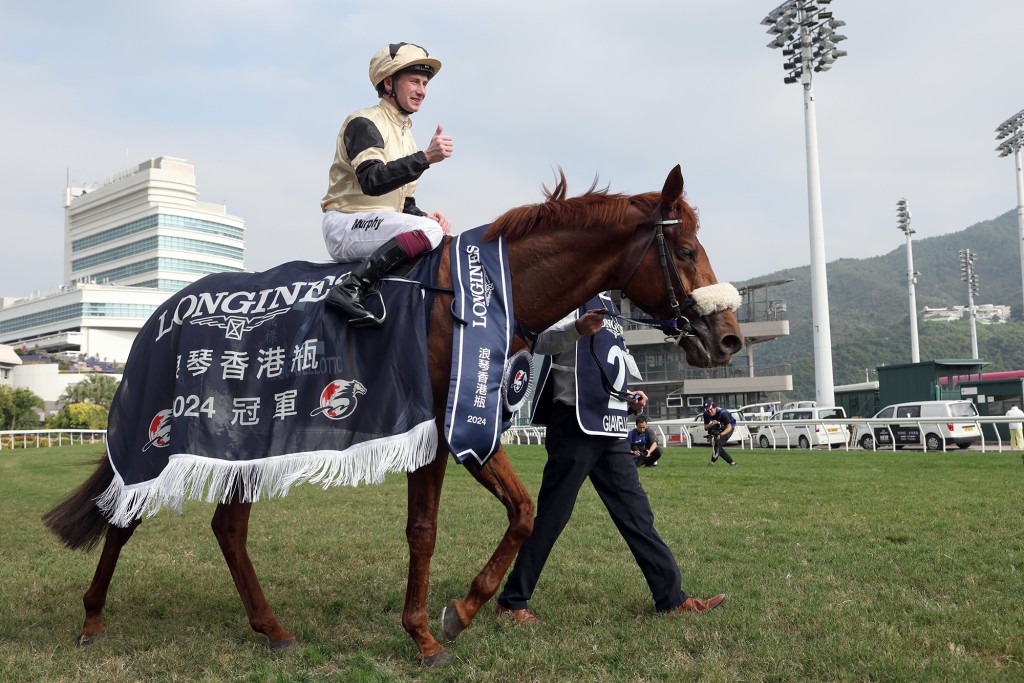
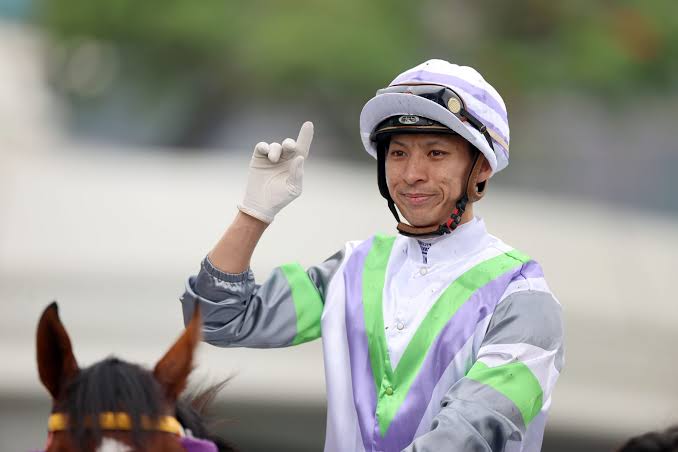
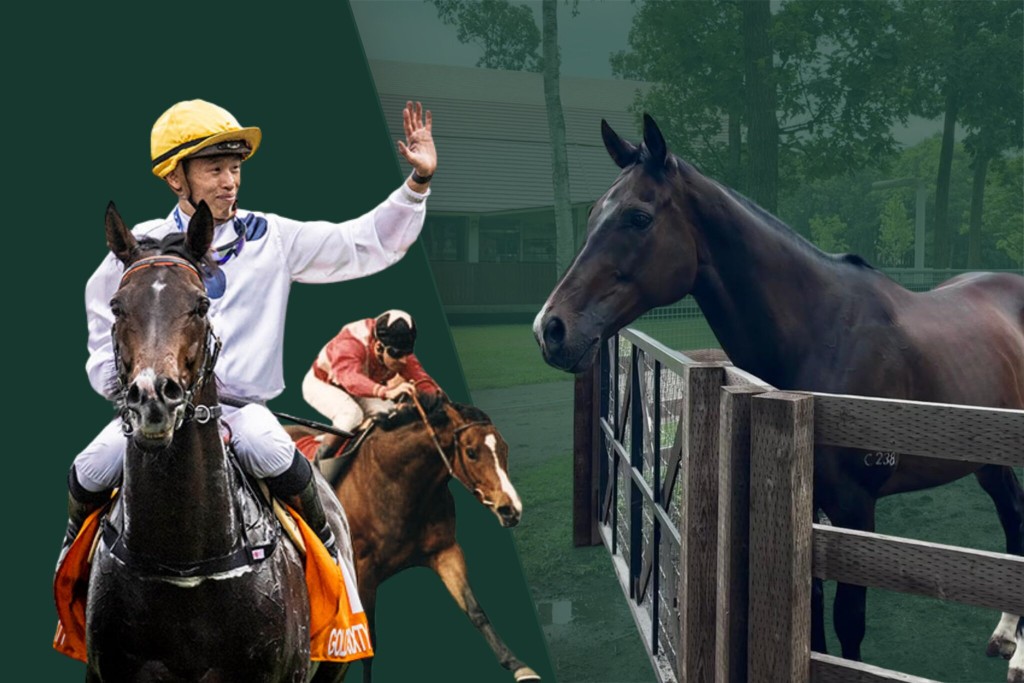
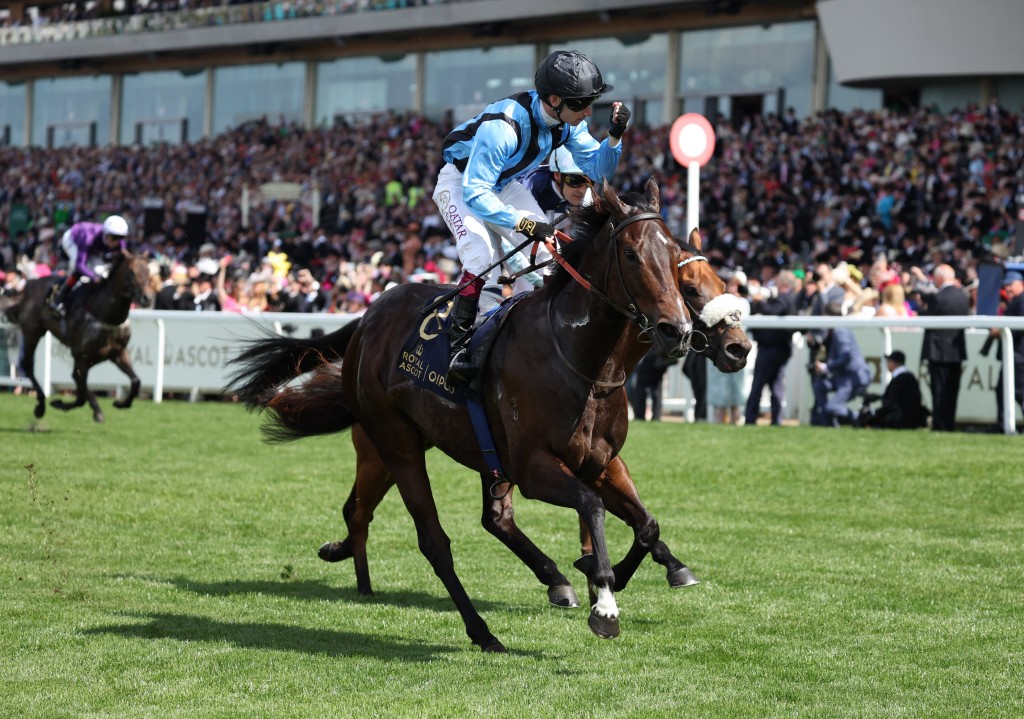
You could feel it walking through the gates at Happy Valley on Wednesday night; before a horse had even past the post, the place already sounded different, the low hum of a midweek crowd replaced by that restless buzz that only appears when the very best in the world turn up and start doing what made them famous.
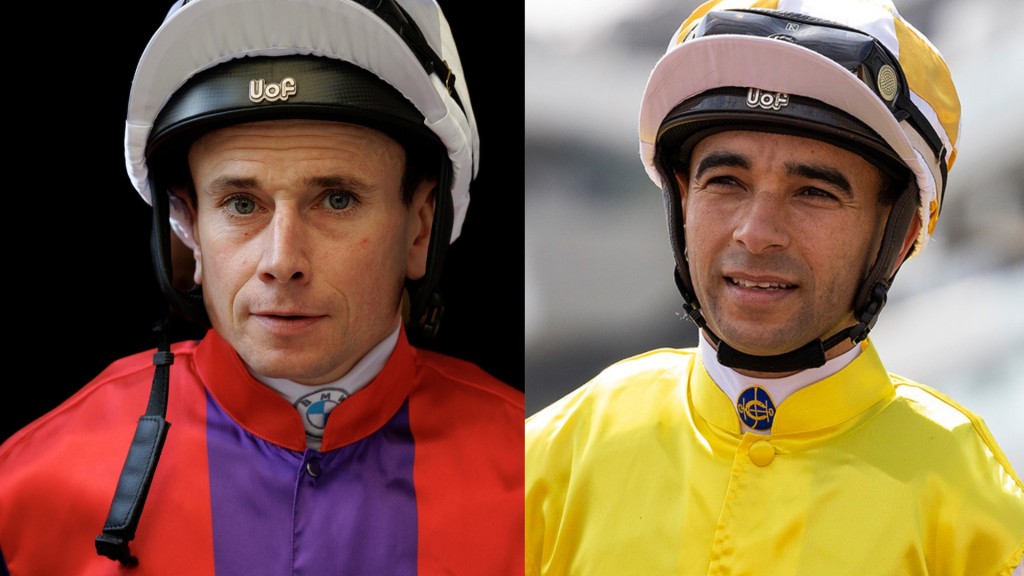
Joao Moreira lit the fuse first. Two quick wins in the non-championship races and suddenly the Valley didn't feel like the grind-through-the-card version of Hong Kong racing regulars can get used to. It felt like the old days, the "Magic Man" era when an early double meant you half-expected him to ride the card. The way he dares to thread between tiring horses, the way he is first to pounce if the pace slackens, still holds everyone else to account.
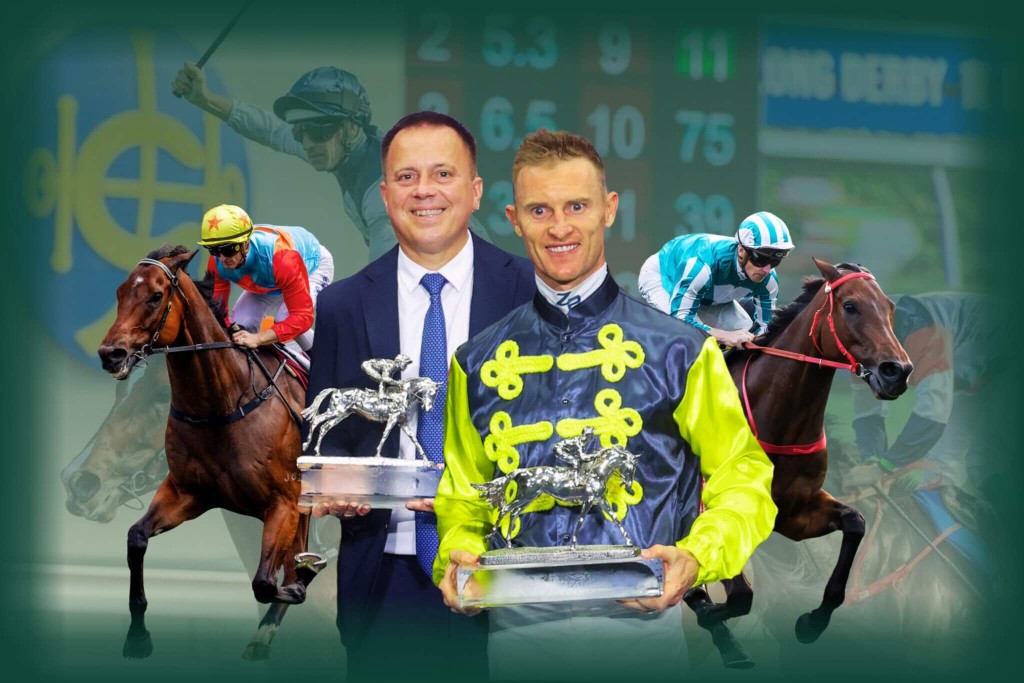
Then Ryan Moore did Ryan Moore things and reminded everyone why trainers on three continents keep a spare phone line open for him in December. This was his first big occasion since a three-month break with a fractured femur, an injury serious enough that there were doubts he would ride again before Christmas. Yet a week after easing himself back in with a double at Lingfield he walked into the Happy Valley cauldron and walked out with a third Longines International Jockeys' Championship title.
People always want the easy answer to the old bar-stool question: what makes Moore the best in the world? Balance, timing, hands, nerve – you can tick all of those boxes and still miss the point. Earlier in the week I asked William Buick a slightly leftfield question: if he could steal one skill from any of his fellow IJC riders, what would it be? He took his time, smiled, and politely refused to nominate any single party trick; instead he talked about how, at this level, the thing that really separates the elite is that they simply do not have a weakness, that a high floor – not the ceiling – is what matters.
Buick's answer could have been written as a scouting report on Moore. This is a rider who can nurse a top-class colt over the ripples and soft patches of an undulating course in a Group 1 in Europe one week, then fly nearly 12 hours, drop into the bare-knuckle brawls that pass for handicaps at Happy Valley and somehow look just as comfortable.
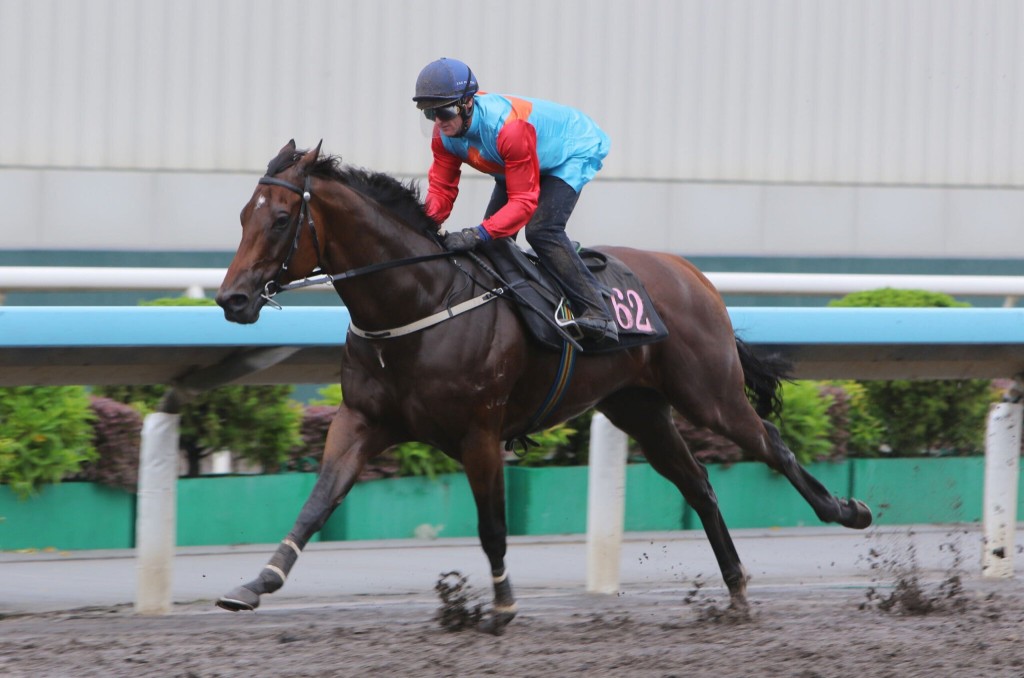
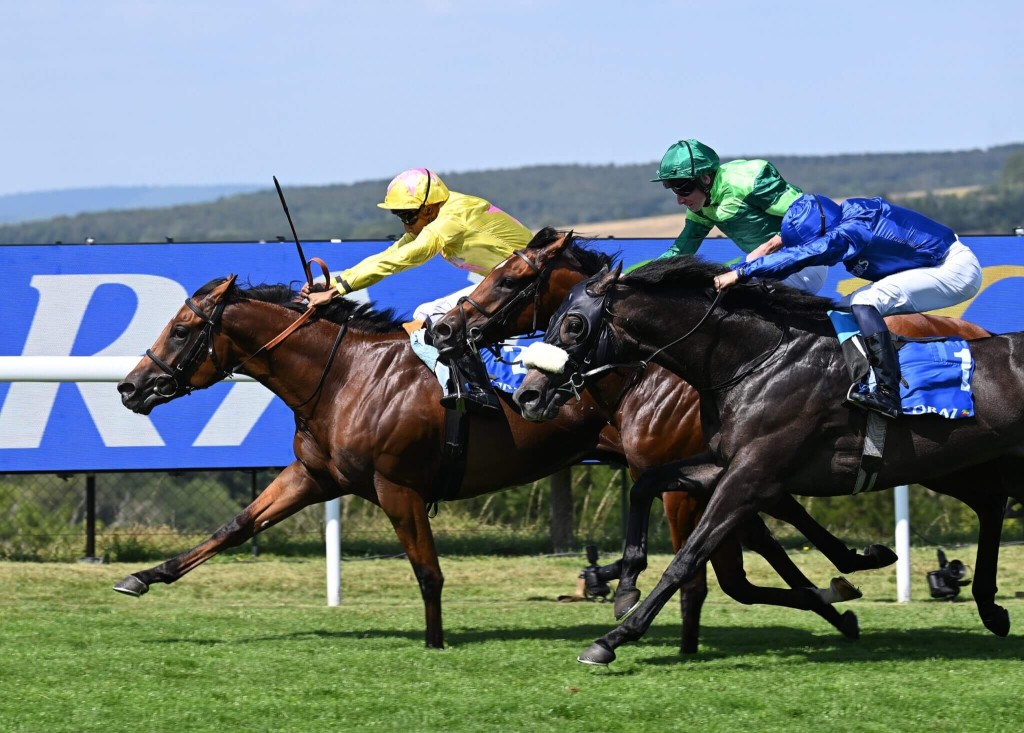
The Brit's range was on show in his two IJC wins – an all-the-way effort on Corleone in which Moore took the race away from his rivals down the back, then played standover man on his tiring mount late. The closing-leg success on Triumphant More was more ‘on brand’: all hands, rhythm and conviction from a spot in the field where most riders are already making excuses.
Shane Dye wrote recently about how the real line between good jockeys and great ones is that the champions are not terrified of losing; they ride to win, even if it means a grilling from the stewards or a social-media storm when the run doesn't come.
And this is the larger point for Hong Kong racing. Superstars like Moore and Moreira change the energy of the racetrack, they raise the standard and they remind lapsed fans – along with jaded insiders – what this sport looks like when the best are willing to risk failure in pursuit of victory.
On a memorable night at Happy Valley, two very different champions – an exuberant Brazilian and the stone-faced Englishman – gave us a glimpse of what racing here can be when courage takes precedence over caution, and the iconic amphitheatre responded in the only way it knows: by roaring them home.