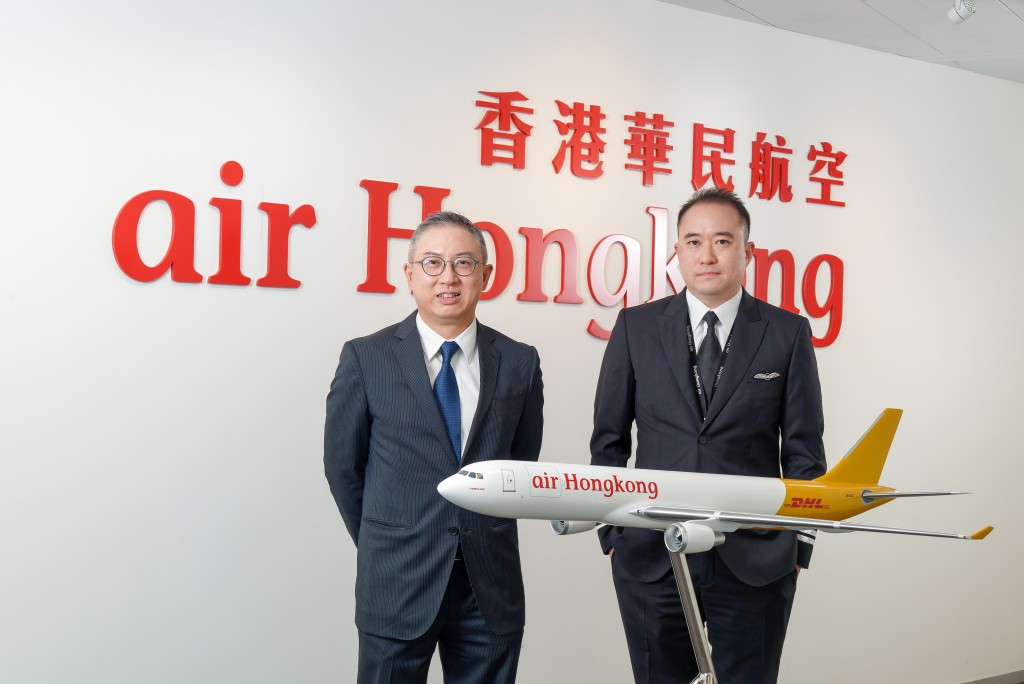
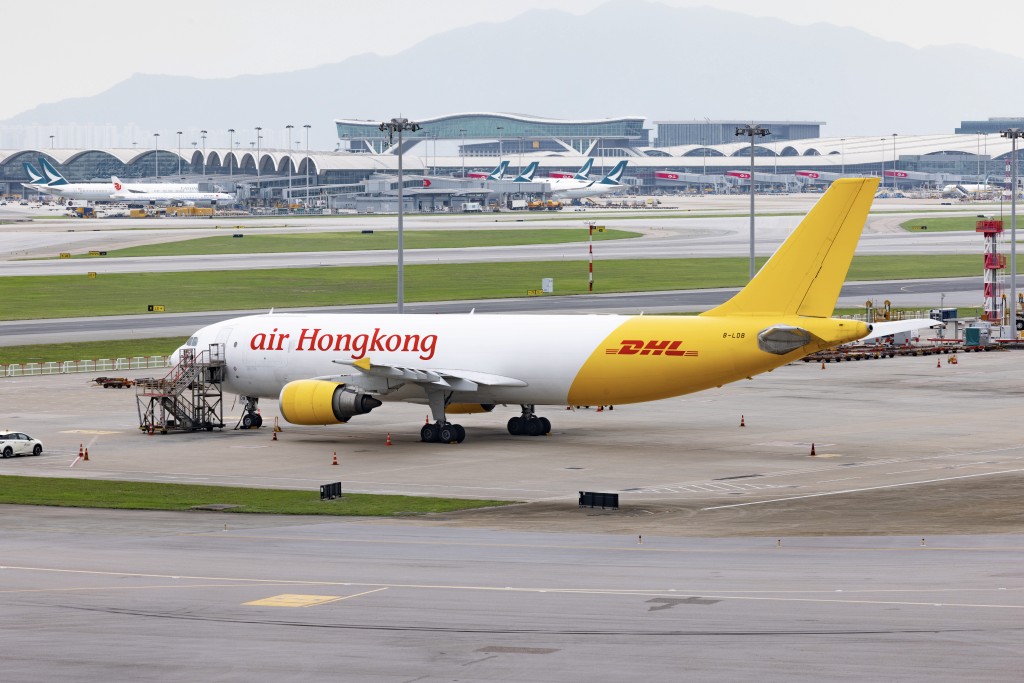
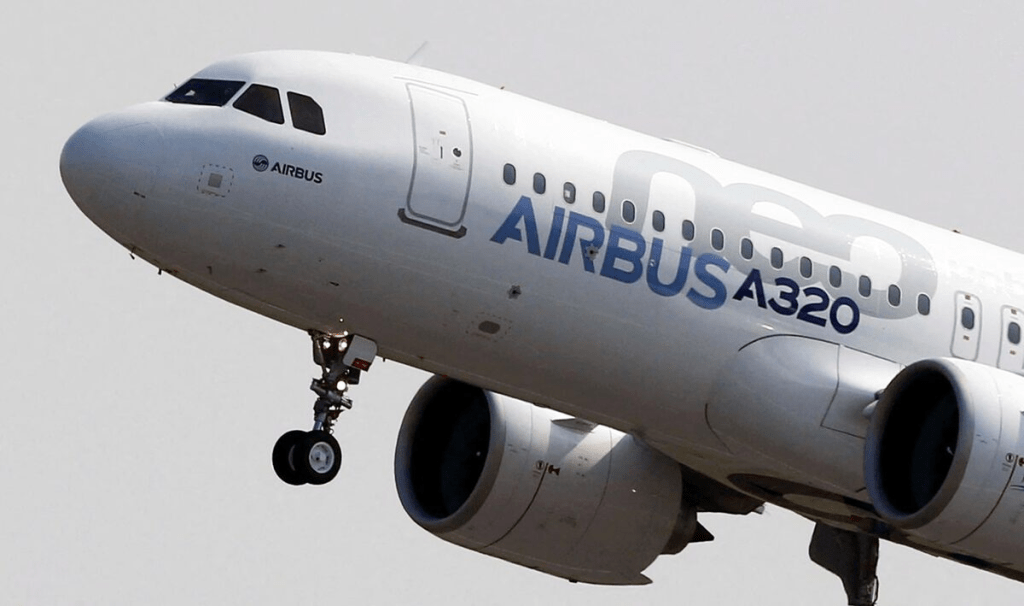
Air Hong Kong (AHK) is bidding farewell to itsAirbus A300F freighter fleet after more than twodecades of loyal service. This week, flight LD205from Osaka to Hong Kong marked the final commercialflight of the A300F – a moment that signified both the end of a remarkable chapter and the beginning of an exciting new one for the city’s first all-cargo airline.
Two Decades of Cargo Excellence
AHK, a wholly owned subsidiary of the Cathay Group, began operating the A300F in 2004. At its peak between 2010 and 2015, the airline operated 10 of these freighters. Over the years, the fleet carried over 2.78 million tonnes of express cargo, especially high-value shipments, playing a key role in boosting Hong Kong as the world’s leading and busiest air cargo hub.
“This aircraft has loyally served us for more than 20 years,” said Clarence Tai, Chief Operating Officer of AHK. “A300F was perfectly suited to our express cargo model. Every night, while most of the city sleeps, our aircraft take off to deliver timely shipments across Asia and return to our city before dawn. The reliability sharply defined our airline.”
Though modest in tonnage compared to global giants, AHK’s high-value shipments make a significant contribution to Hong Kong’s international trade. The airline’s focus on express cargo and precision operations has earned it a stellar 98.1% on-time performance (OTP) year-to-date.
Tai added, “In total, the A300F fleet carried 2.78 million tonnes of cargo over 20 years. Although it may not be a very huge number, it truly reflects our team’s spirit of achieving big things through small steps. We’re also incredibly thankful for the support from our industry partners along the way.”
Taking Flight with A330
From mid-June 2025, AHK will operate a modern fleet of 14 Airbus A330 freighters, all powered by Rolls-Royce Trent 700 engines. These aircraft offer larger capacity, better fuel efficiency, and lower noise levels.
“The A330 is a natural evolution for us,” Tai explained. “We can foresee the improving performance of A330 and its smaller environmental footprint. We’re not just replacing a fleet but preparing for the next 20 years of growth in the express cargo sector. We also hope the A330s can boost our cargo capacity by around 25%.”
Tai also expressed his excitement about expanding AHK’s network: “We aim to develop more routes with the new fleet, not just regionally, but also to Australia and the Middle East, and along the Belt and Road. We are excited for the new opportunities ahead.”
The transition involved years of planning. Kelvin Cheung, Deputy Chief Pilot of AHK, shared, “We started this project seven years ago. Pilot conversion training takes about three months. I have flown the A300F for years, and I will certainly miss it! Yet, it’s time for us to move forward.”
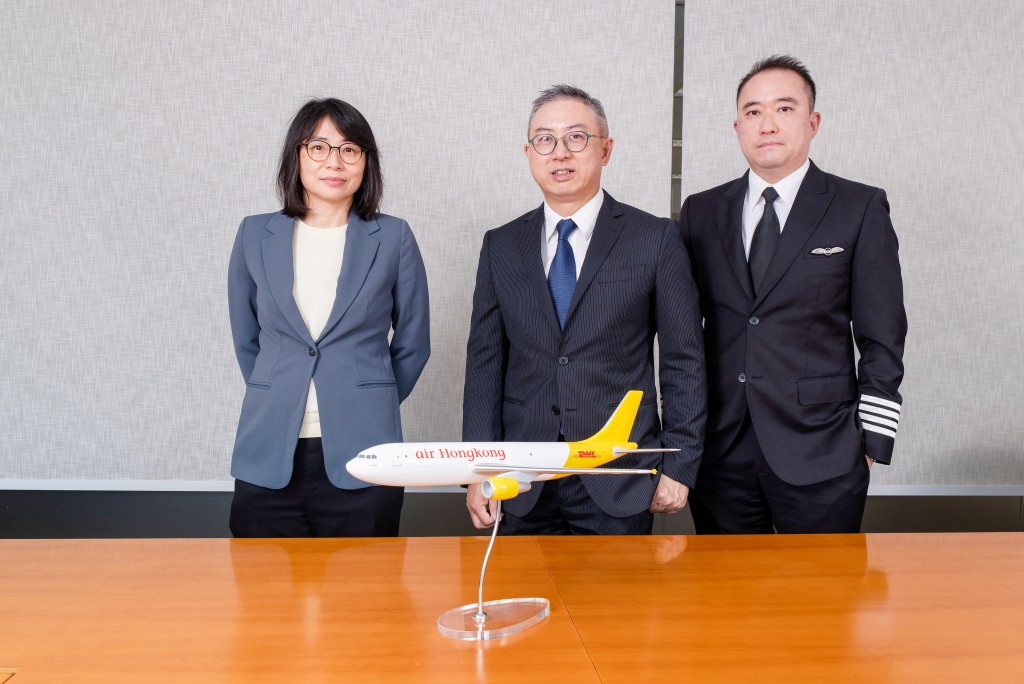
Clara Wong, Deputy Director-General of CAD (left), shares a personal connection to the A300F fleet, having flown the freighter during her time at AHK.
Air Hong Kong - A Team that Delivers
Behind these aircraft is a lean yet agile team. AHK has fewer than 200 teammates comprising over 100 pilots and a compact office crew. The airline’s culture of adaptability and precision makes it highly suitable for the fast-paced world of express freight.
Around 25% of AHK’s pilots are Hong Kong Chinese, and 8% are women, which is a remarkable figure in the male-dominated world of aviation. “We take pride in nurturing local talent and embracing diversity,” said Tai. “Our people are the engine behind our performance.”
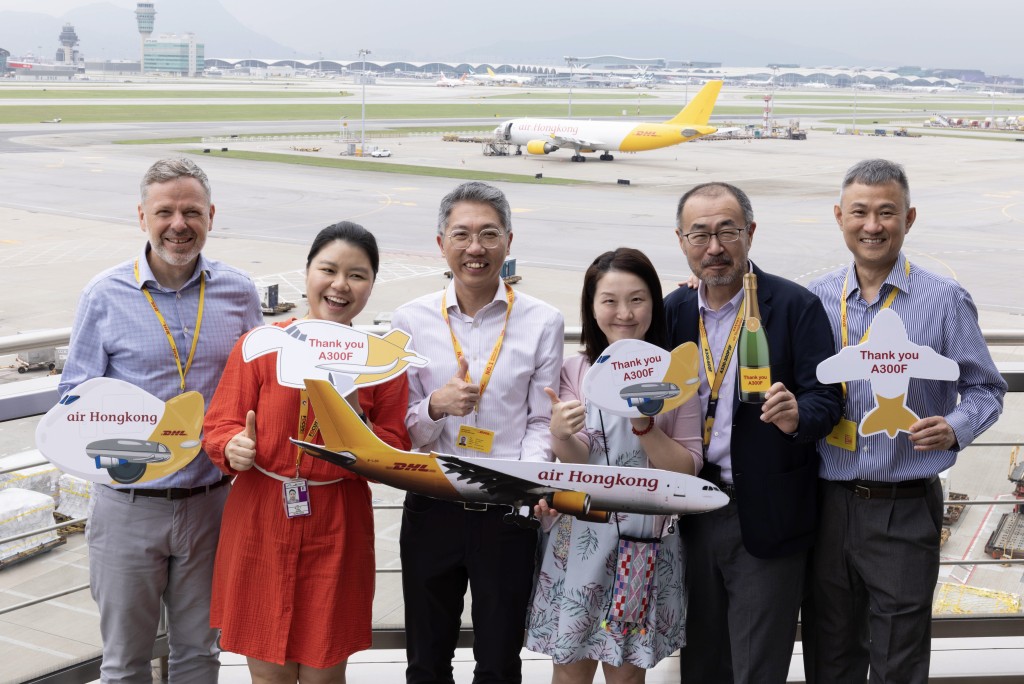
AHK staff bid farewell to the A300F fleet, commemorating its legacy and years of service.
From A Regulator’s Perspective
Clara Wong, Deputy Director-General of the Civil Aviation Department (CAD), once flew the A300F herself and has a unique connection to the fleet.
“I really cherished the valuable opportunity to fly the A300F in the past,” Wong shared. “Joining Air Hong Kong back then was made possible by very innovative idea of the airline in offering a Jet Adaptation Course. The training was robust and unforgettable, and it gave me deep insights into the operations I now regulate.”
She added, “This experience helped me understand how the industry works behind the scenes, and that has been extremely valuable in my current role, particularly on how to facilitate the development of aviation industry in Hong Kong.”
Wong also highlighted the unique strengths of Hong Kong’s aviation system. “We’ve been named the world’s busiest air cargo hub 14 times since 2010 and that is no coincidence. Our geographic location, strong legal framework, and international connectivity are unparalleled. I truly hope Hong Kong can continue to maintain its unique position in global aviation.”
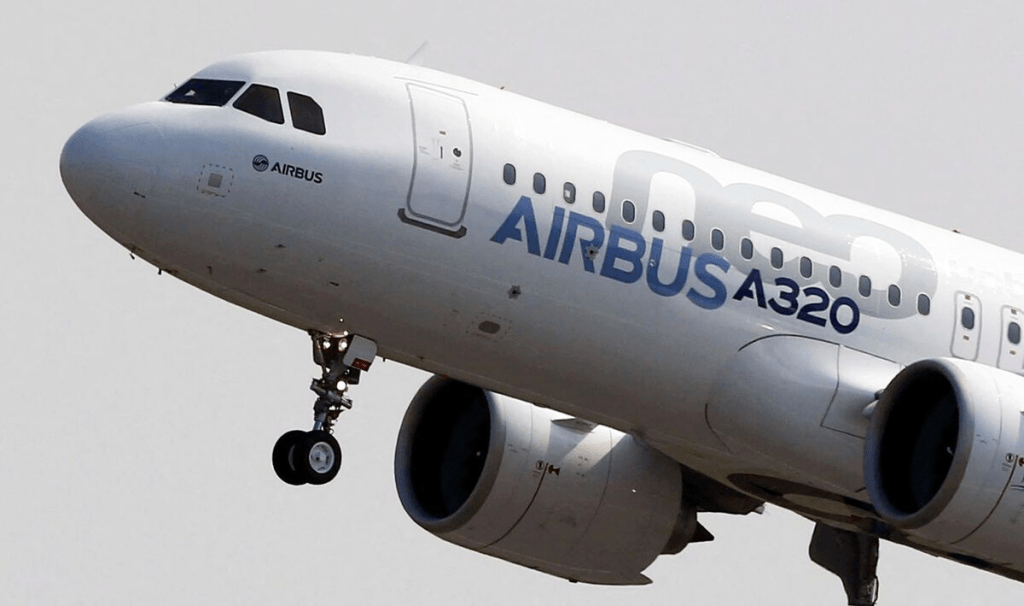
AHK’s final commercial A300F flight took to the skies this week, marking the end of an era for its A300F freighters.
40 Years and Beyond
With AHK’s 40th anniversary approaching in 2026, the retirement of the A300F is more than just a fleet change. Instead, it is a passing of the torch. The new A330 fleet represents not only operational advancement but a renewed commitment to excellence.
“We’re proud of what the A300F has helped us achieve,” Tai reflected. “Now, as we look to the future, our mission remains the same – to be the best express cargo airline in Asia. We’re just getting started.”
| Information on AHK’s A300F freighter |
|---|
| Period of Service: | 2004 - 2025 |
| Gross Payload: | 54,000 kg |
| Cruise Speed: | 870 km/h |
| Max. Range of Flying: | 3,533 km with max payload; The furthest distance AHK flew this aircraft: 7,159 km from Hong Kong to Bahrain |