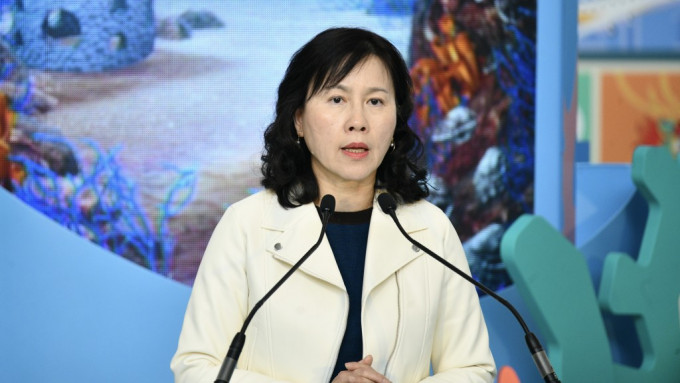
The government will release a code on green methanol bunkering by mid-year as part of its push to establish Hong Kong as a green maritime fuel hub, Secretary for Transport and Logistics Mable Chan announced Wednesday.
Chan made the remarks at the Guangdong-Hong Kong-Macao Greater Bay Area Clean Energy Supply Chain Conference, hosted by the Hong Kong Chamber of Shipping at the Hong Kong University of Science and Technology.
The event drew over 200 shipping industry representatives from Hong Kong, mainland China, and overseas to discuss sustainable shipping solutions, including alternative fuels, electrification, and green shipping corridors.
With green marine fuels gaining global traction, Chan emphasized that Hong Kong is rapidly catching up with other major ports in developing green bunkering services.
The government unveiled its Action Plan on Green Maritime Fuel Bunkering last November, outlining long-term strategies to position the city as a green port and a trading hub for sustainable marine fuels.
"Since Hong Kong completed its first liquefied natural gas bunkering operation, we have successfully conducted three commercial bunkering operations in our waters," Chan said.
"This demonstrates the shipping industry’s confidence in Hong Kong’s capabilities in green fuel supply."
Chan said authorities are actively engaging local, mainland, and international stakeholders, including shipping firms, green fuel producers, and bunkering service providers, to assess demand for sustainable marine fuels, aiming to establish a clean energy supply chain platform, fostering collaboration between fuel producers and end-users.
Chan also highlighted Hong Kong’s competitive advantages as an international financial hub, citing its mature capital markets, common law system, free flow of capital, and efficient settlement systems.
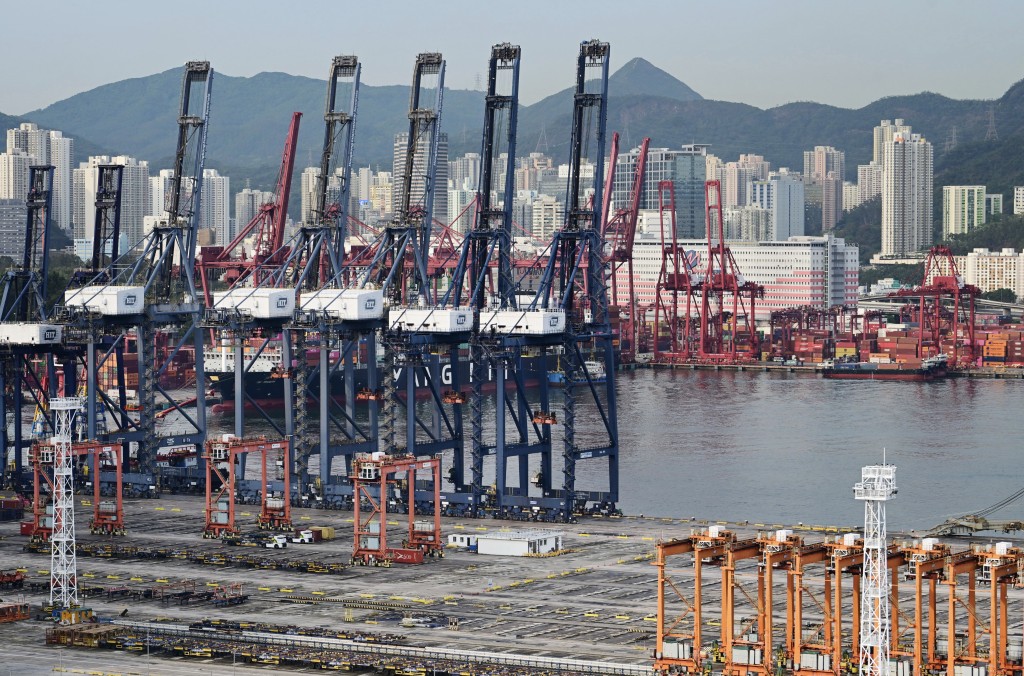
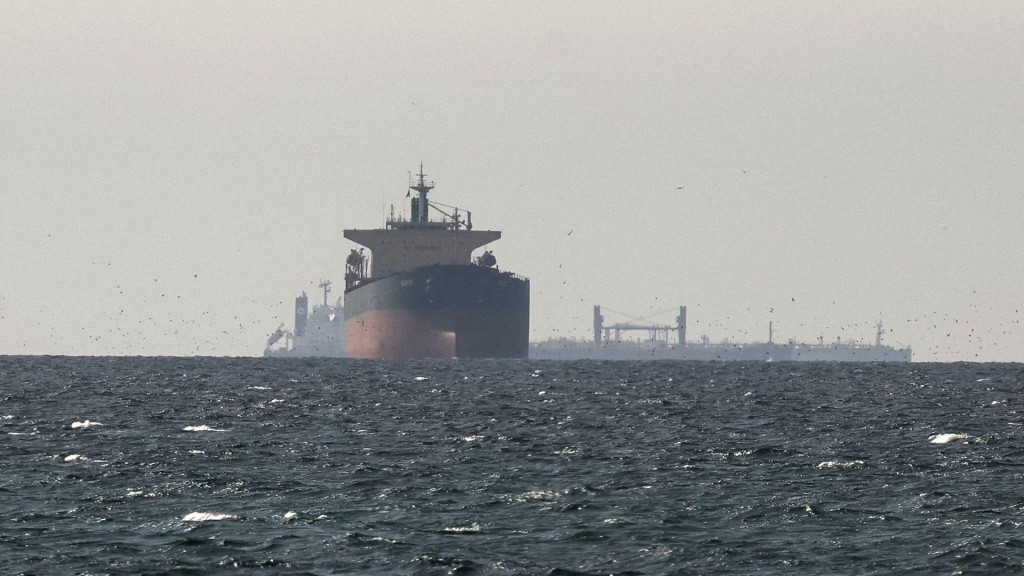
(sing tao file) The government unveiled its Action Plan on Green Maritime Fuel Bunkering last November
Leung Chun-ying, former chief executive and honorary advisor to the Chamber of Shipping, noted that national policy since China’s 11th Five-Year Plan has consistently supported Hong Kong’s role as an international shipping center.
As a "super-connector," Hong Kong can turn potential competition with nearby mainland ports into partnerships, Leung said.
He called clean energy "the future of shipping," with implications for environmental protection, public health, and economic transformation.
"More research collaboration between academia and industry, as well as dialogue between Hong Kong and the mainland, is essential," he added.
HKUST President Nancy Yip Yuk-yu pointed to the International Maritime Organization’s goal of decarbonizing global shipping by 2050, a target requiring cross-sector and cross-border cooperation.
The university is working with industry leaders to advance Hong Kong’s vision as a green shipping hub, leveraging digital innovation to modernize the sector, she added.
Ayra Wang