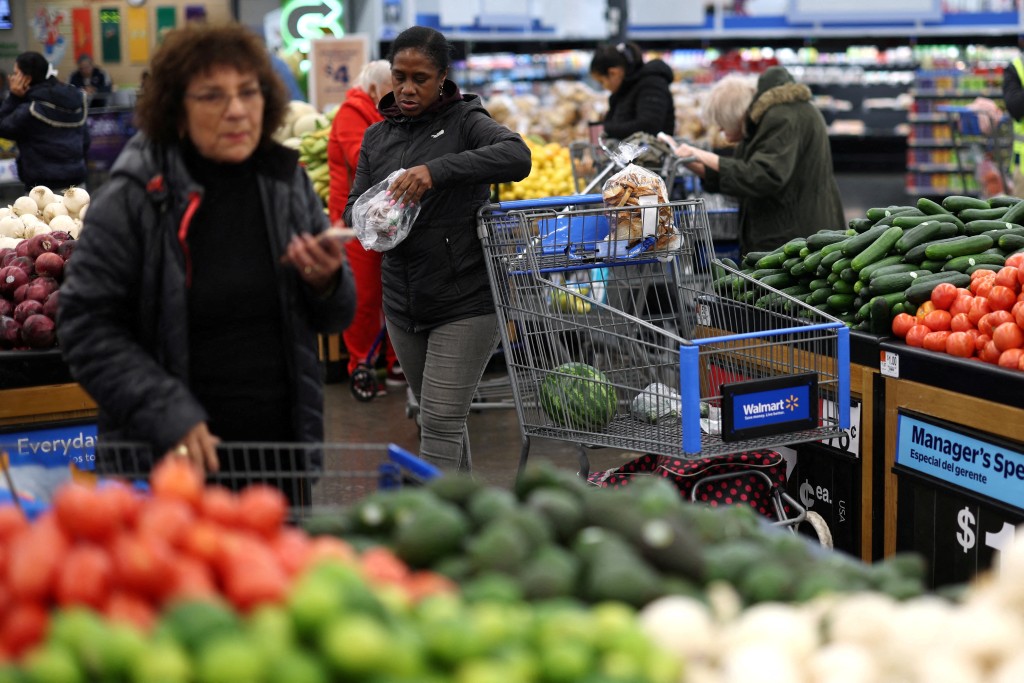
US retail sales increased less than expected in September, taking a breather following a recent stretch of strong gains.
Retail sales rose 0.2 percent after an unrevised 0.6 percent gain in August, the Commerce Department's Census Bureau said on Tuesday. Economists polled by Reuters had forecast retail sales, which are mostly goods and are not adjusted for inflation, rising 0.4 percent following a previously reported 0.6 percent increase in August.
The report, originally due in mid-October, was delayed by the 43-day shutdown of the government.
Sales had accelerated in prior months, in part as consumers rushed to buy battery-powered electric motor vehicles before the expiration of EV tax credits at the end of September. The moderation in sales likely does not change economists' expectations consumer spending picked up in the third quarter.
Retail sales excluding automobiles, gasoline, building materials and food services fell 0.1 percent in September after a downwardly revised 0.6 percent increase in August. These so-called core retail sales correspond most closely with the consumer spending component of gross domestic product. They were previously reported to have advanced 0.7 percent in August.
Spending is, however, being driven by higher-income households, with many middle-income and lower-income consumers burdened by rising costs, some of them stemming from tariffs on imports, creating what economists have called a K-shaped economy. Though job growth rebounded in September, the labor market is weakening, with the unemployment rate rising to a four-year high of 4.4 percent.
With the stock market selling off recently, some economists worry that high-income households could start scaling back and hamper economic growth. Prior to the retail sales data the Atlanta Federal Reserve estimated gross domestic product increased at a 4.2 percent annualized rate in the third quarter.
The government will release third-quarter GDP estimate on December 23. The economy grew at a 3.8 percent pace in the second quarter, with a smaller trade deficit accounting for the bulk of the increase.
Reuters