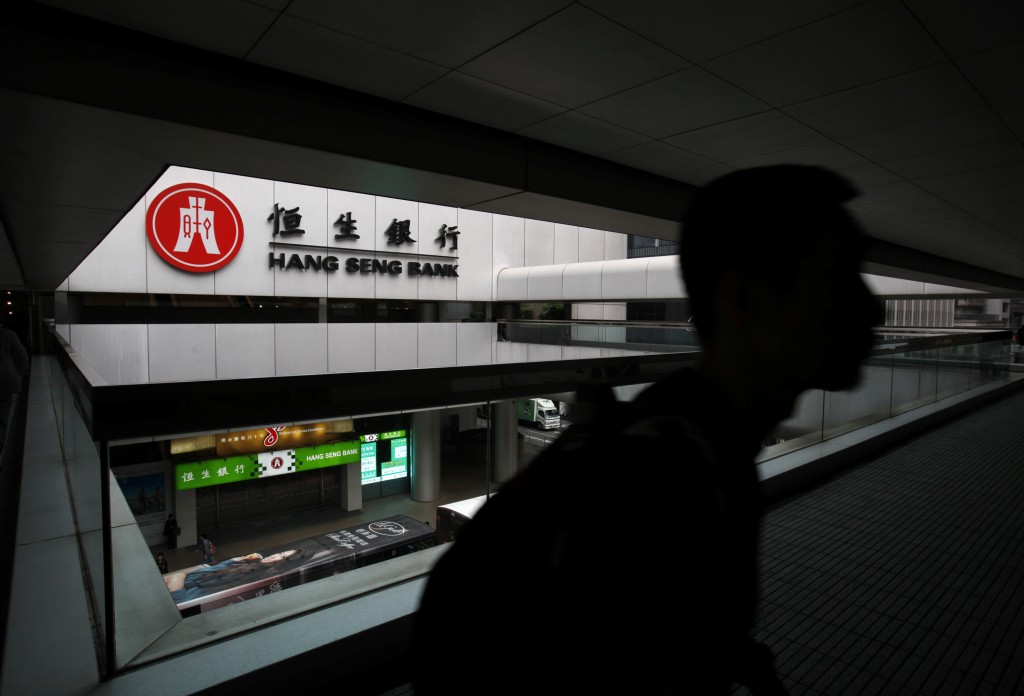
HSBC (0005) announced on Thursday a plan to fully privatize its majority-held subsidiary Hang Seng Bank (0011) in a deal valuing the latter at about HK$106.1 billion.
The offer of HK$155 per share represents a 30.3 percent premium to Hang Seng's last closing price, a move that has ignited intense discussion among analysts regarding its strategic rationale, valuation fairness, and immediate market impact.
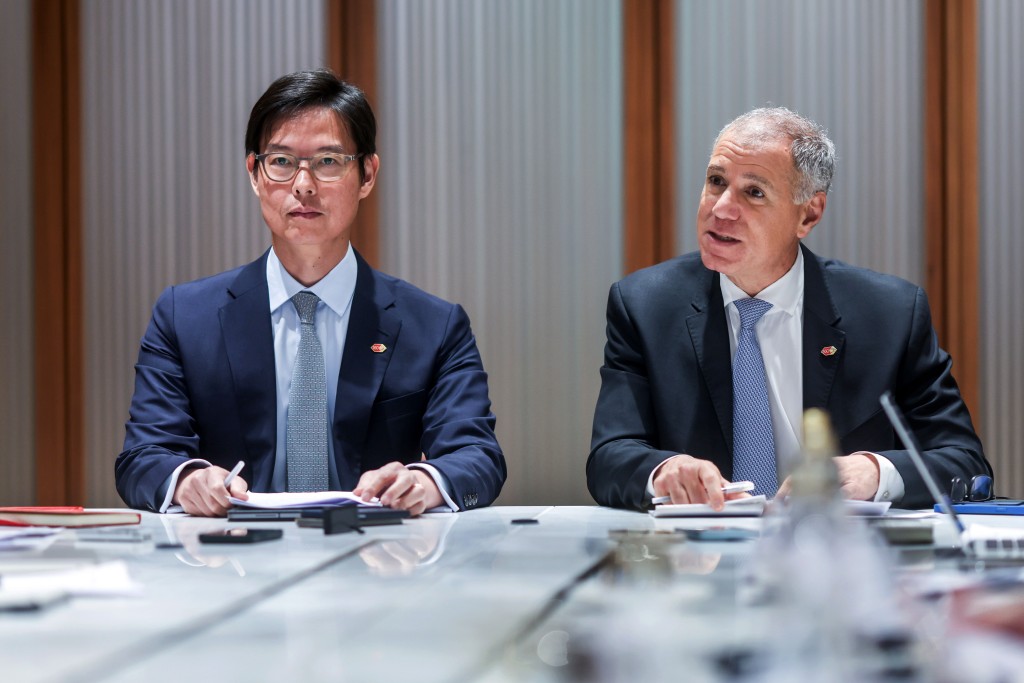
According to HSBC chief executive Georges Elhedery, the decision is "purely strategic" and intended to "further streamline and simplify" operations.
He emphasized the offer is "very considerable and attractive" and reflects the group's confidence in Hong Kong's future, denying any link to Hang Seng's recent bad loan challenges.
This view finds some support from analysts who see long-term benefits. Michael Makdad, Senior Equity Analyst at MorningStar, noted that "parent-subsidiary double listings are inherently problematic in terms of governance," calling the move "a positive and long-overdue" one that should yield "cost synergies."
The Hong Kong Institute of Financial Analysts and Professional Commentators chairman Kenny Tang Sing-hing pointed out that privatizing Hang Seng, which has a high dividend payout ratio of over 70 percent, would eliminate minority interests and thereby "boost earnings per share growth," ultimately benefiting HSBC's cash flow and profitability in the long run.
The offered price of 1.8 times price-to-book ratio has become a central point of contention.
Independent market commentator Kenny Wen Kit believes the high P/B "involves a premium," which will likely benefit Hang Seng's stock short-term but pressure HSBC's share price due to the high cost.
This was immediately evident as HSBC's shares slumped 6 percent following the announcement.
This negative reaction was echoed by Prudential Brokerage's Alvin Cheung Chi-wai, who called the HK$155 offer a "heavenly price" and suggested the market perceives it as "overpaying."
He and other analysts linked the sell-off to concerns that the massive HK$106 billion outlay, to be funded from internal resources, would force HSBC to "halt share buybacks for the next three quarters."
Despite HSBC's denial, Hang Seng's deteriorating asset quality remains a key concern for observers.
Hang Seng's impaired loans ratio ballooned to 6.1 percent of its gross loans by the end of 2024, a sharp increase from 2.8 percent a year earlier, driven by its exposure to troubled property markets in Hong Kong and mainland China.
Cheung posited that the prime reason for the privatization could be that "HSBC fears Hang Seng's bad debt ratio will keep rising" and hopes to resolve the problem more swiftly away from public market scrutiny.
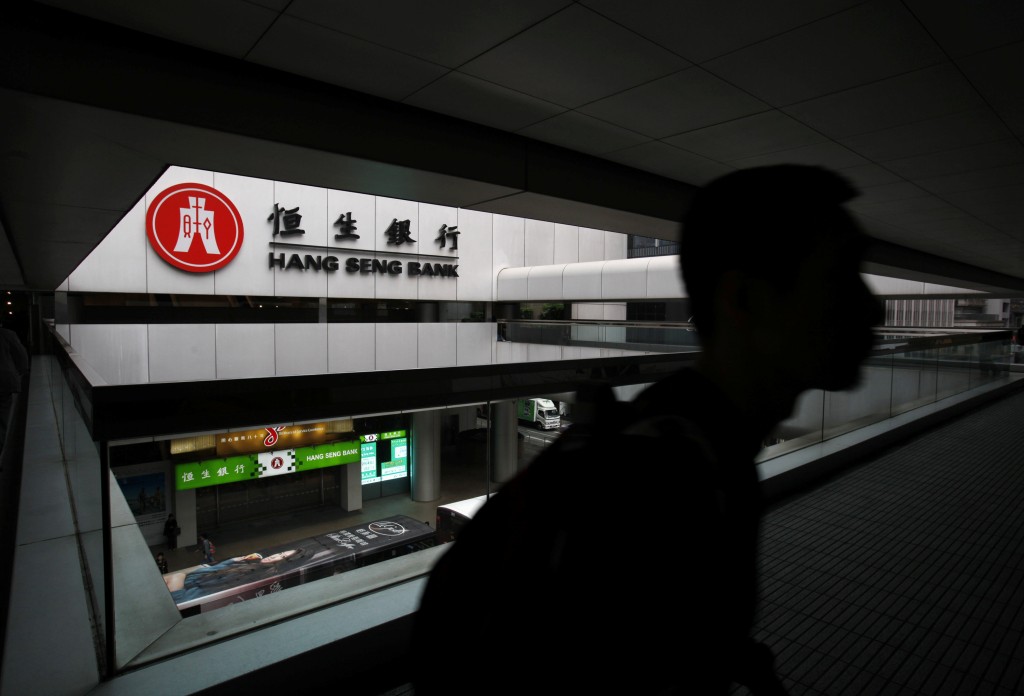
HSBC's plan is potentially ending Hang Seng's 53-year listing status on the Hong Kong stock exchange.
Founded in March 1933, by a group of entrepreneurs including Lam Bing-yam, Hang Seng Bank grew to become one of Hong Kong's leading Chinese-capital banks before becoming a HSBC Group member following the 1965 banking crisis.
While maintaining independent operations, it has remained one of Hong Kong's four major banking institutions.
The bank's name officially reflects the meaning of "everlasting growth," though vice deputy chairman Ho Tim once revealed that "Hang" and "Seng" were derived from the names of two predecessor financial institutions – Hang Chong Bank and Sang Tai Bank – owned by founders Sheng Tsun-lin and Lam respectively.