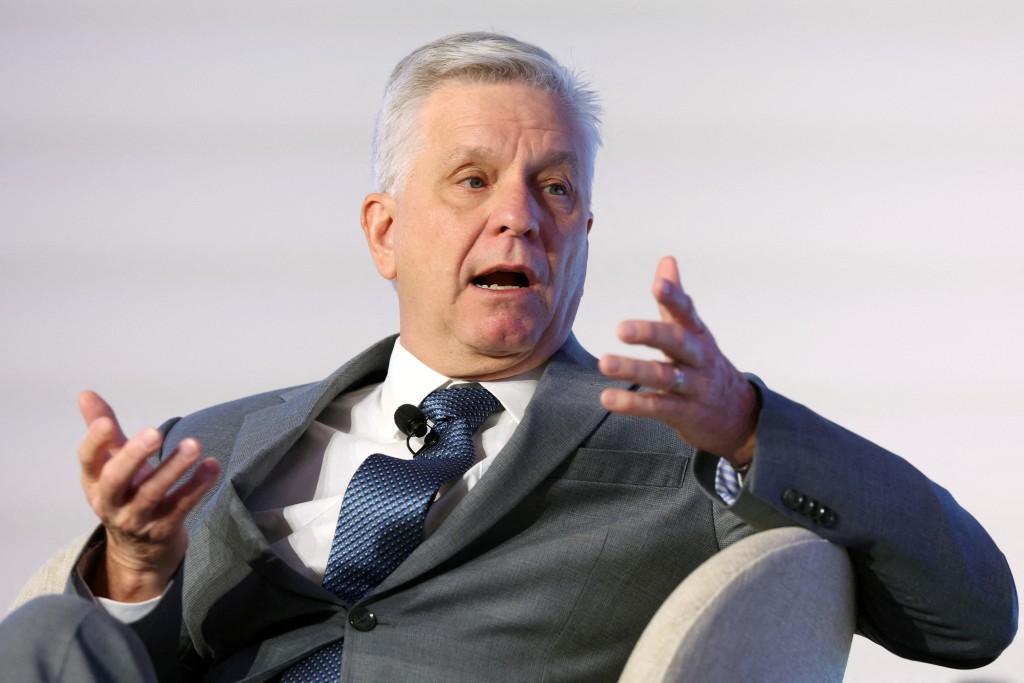
The US Federal Reserve should consider cutting interest rates at its next meeting given recent tame inflation data and the likelihood that any price shock from import tariffs will be short-lived, Federal Reserve Governor Christopher Waller said on Friday.
“Any tariff inflation … I don't think is going to be that big and we should just look through it in terms of setting policy,” Waller said on CNBC’s Squawk Box. “The data the last few months has been showing that trend inflation is looking pretty good … We could do this as early as July.”
Waller's decidedly dovish remarks were the first public comments from a central banker following this week’s Federal Open Market Committee (FOMC) meeting, which left the benchmark interest rate target range at 4.25 percent to 4.5 percent. Officials at the meeting maintained expectations for two rate cuts this year.
As for when those cuts might occur, the Fed offered little guidance. Speaking after the meeting, Fed Chair Jerome Powell noted considerable uncertainty in the outlook due to sweeping trade policy changes under the Trump administration. He warned that tariffs are almost certain to raise inflation, but the extent and duration of the impact remain unclear, complicating policy decisions.
“For the time being we are well positioned to wait to learn more about the likely course of the economy before considering any adjustments to our policy stance,” Powell said.
Fresh signs of economic softness emerged on Friday, as data from the Philadelphia Fed showed factory activity in the region contracted for a third consecutive month, with hiring especially weak.
Waller’s willingness to consider rate cuts as soon as the July 29–30 FOMC meeting distinguishes him from many of his colleagues. He has long argued that tariff effects tend to be one-off and manageable, and he doubts the current import tax surge will lead to sustained inflation.
In making his case, Waller pointed to already-cooling inflation trends and said policy remains well above a neutral level. He also cited signs of early labor market weakness, including difficulties faced by new college graduates in finding jobs. He said acting sooner on rates could support employment.
“I’m all in favor of saying maybe we should start thinking about cutting the policy rate at the next meeting, because we don’t want to wait till the job market tanks before we start cutting,” Waller said.
His dovish stance comes as US President Donald Trump considers candidates to replace Powell, whose term ends next year. Trump has repeatedly called on the Fed to cut rates while criticizing Powell. Waller is viewed as a potential successor, and his support for lower rates could improve his prospects for the role.
REUTERS