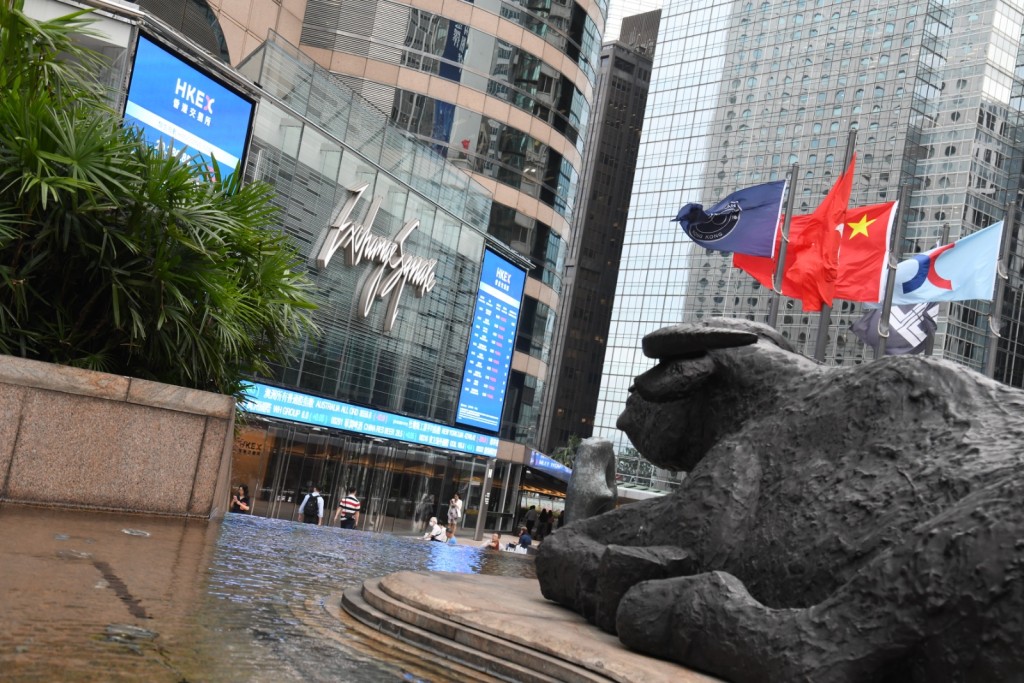
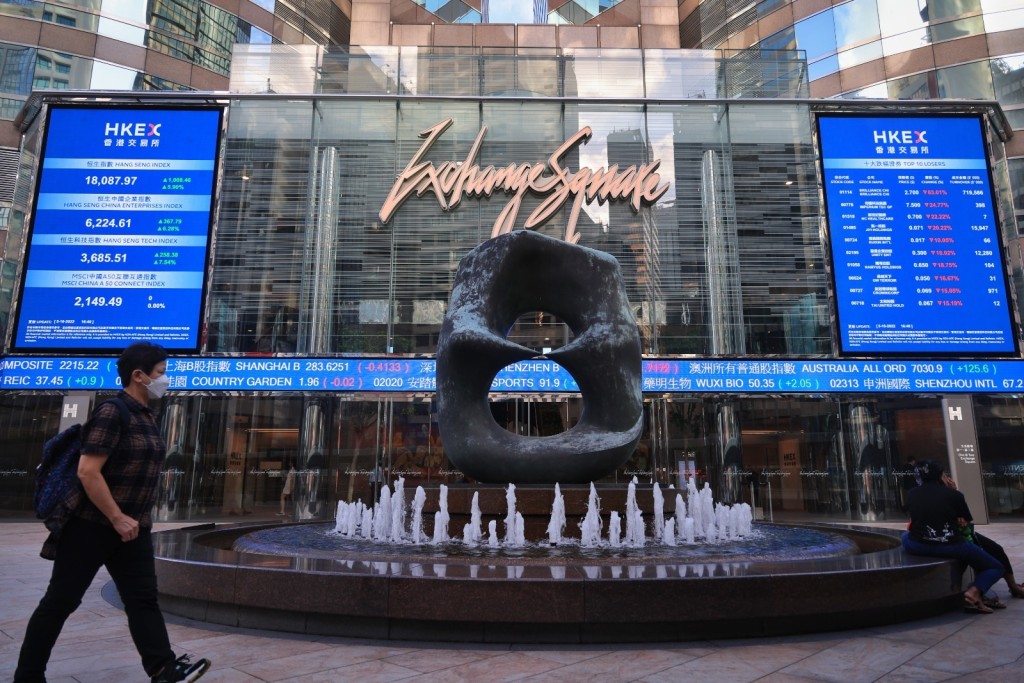
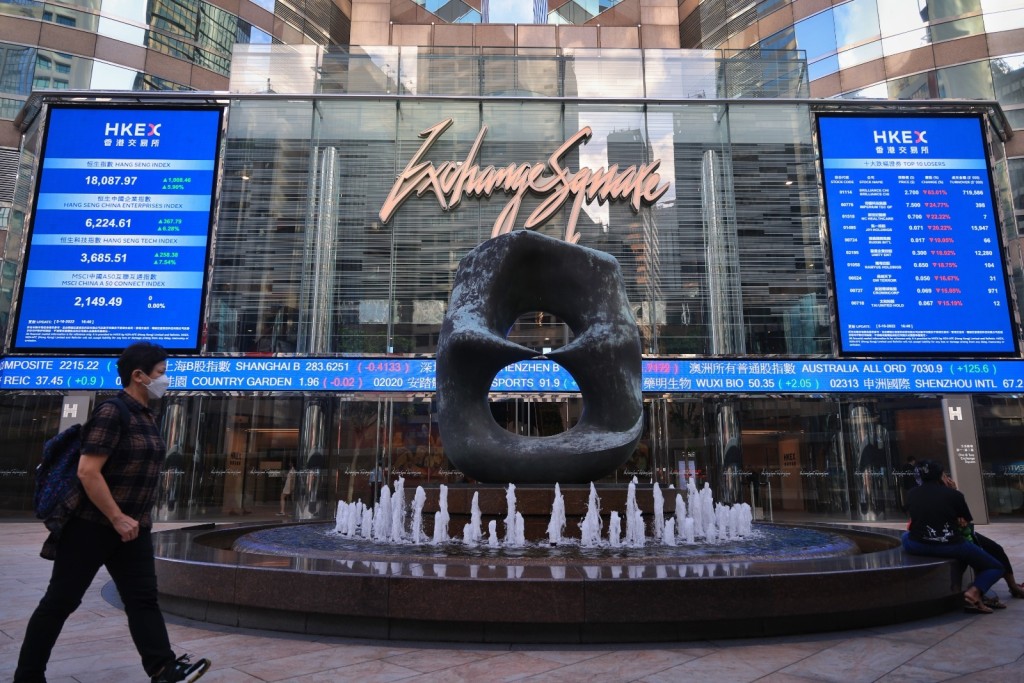
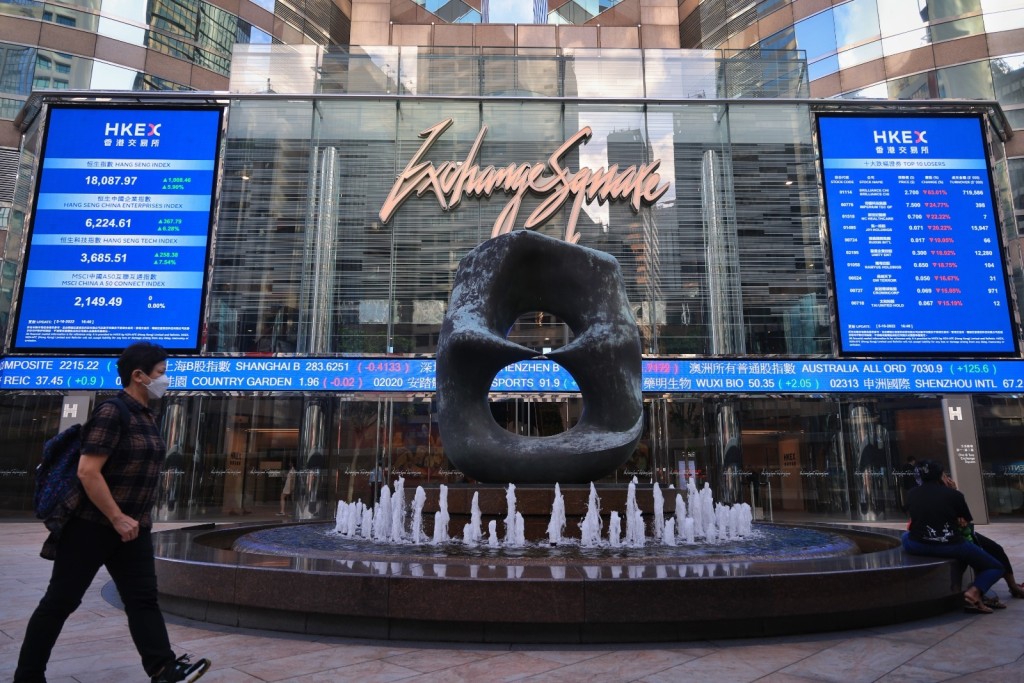
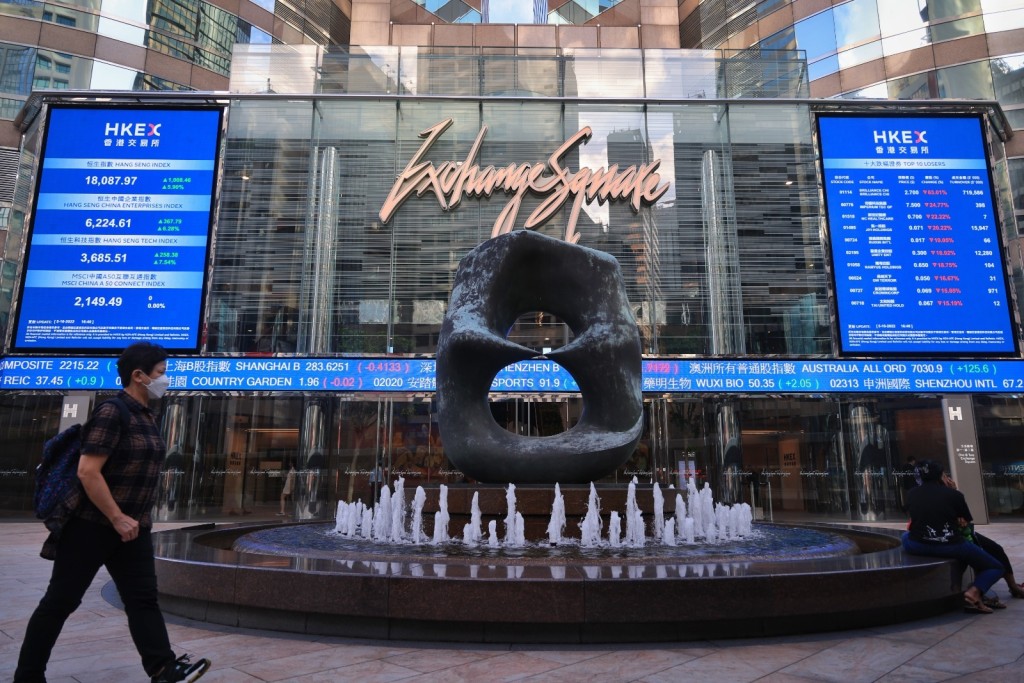
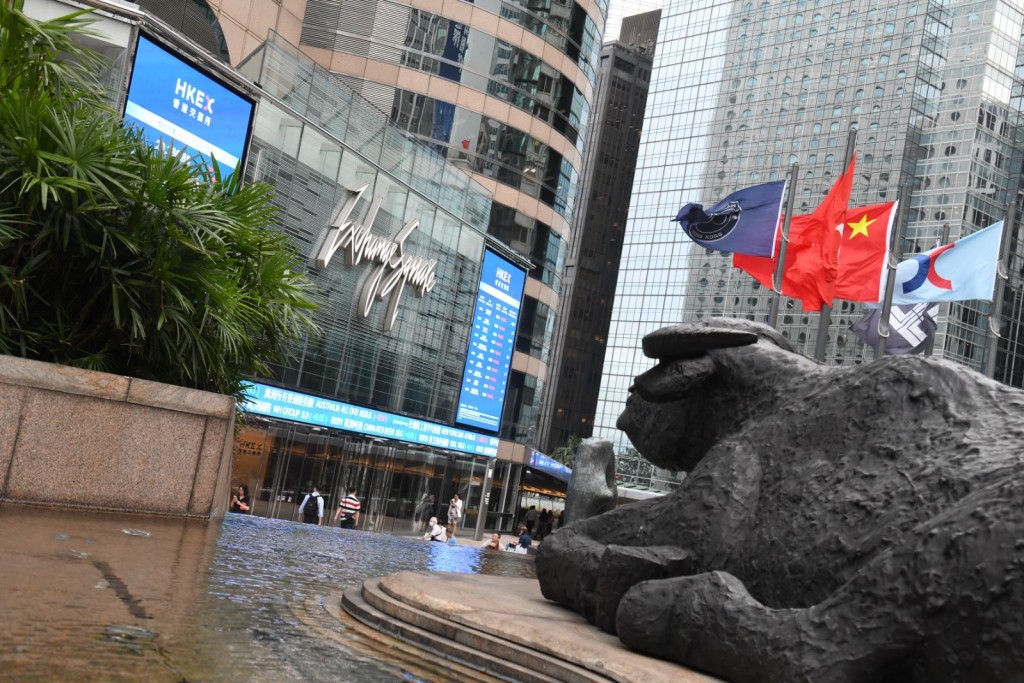
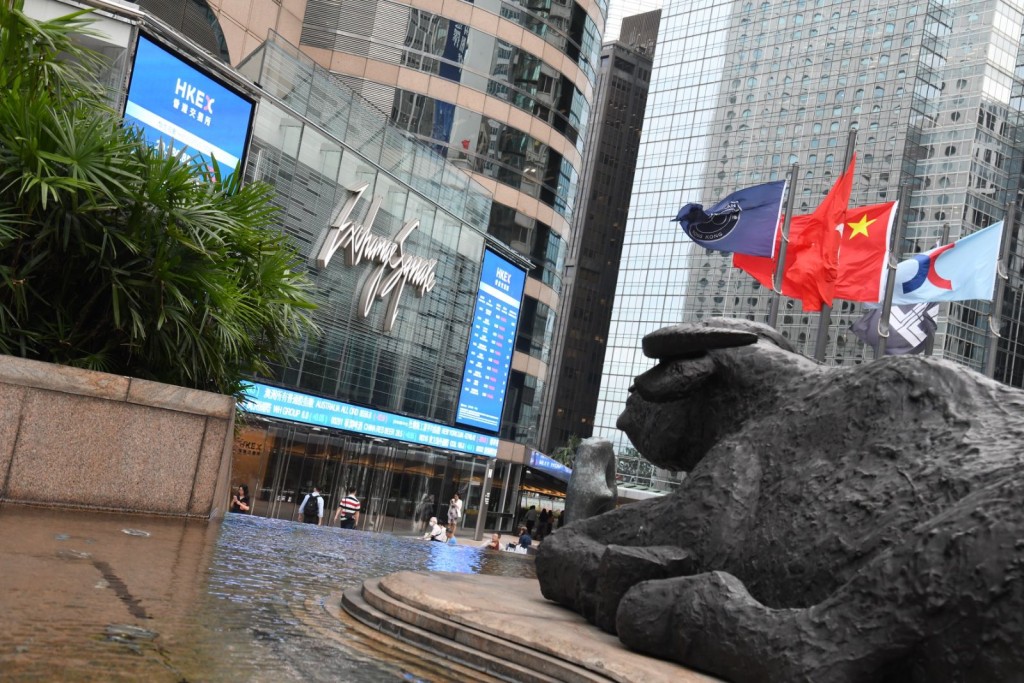
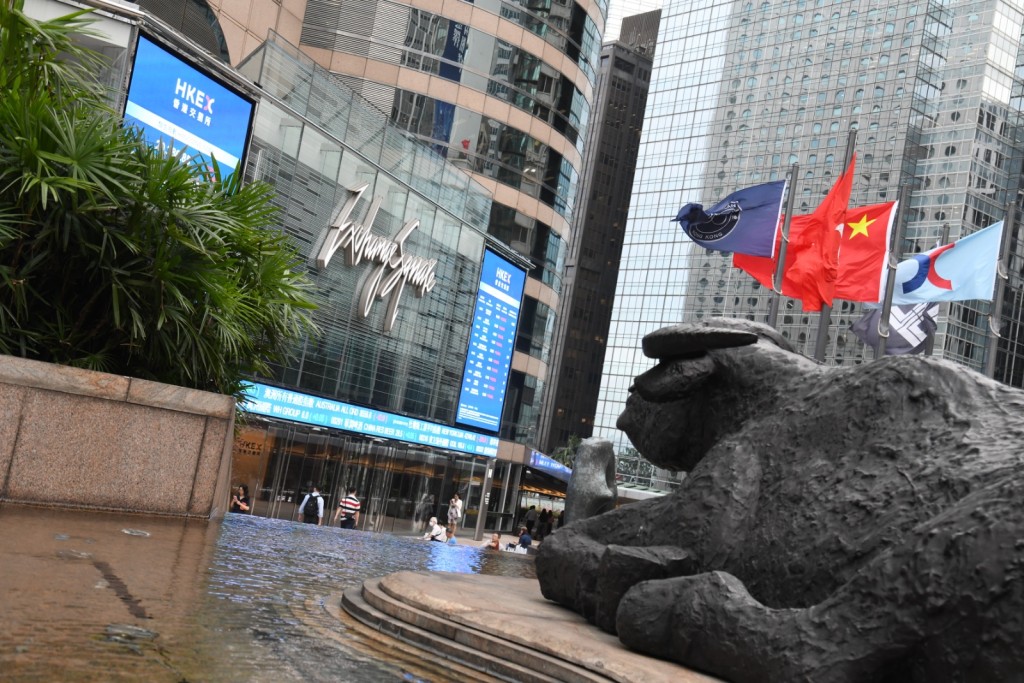
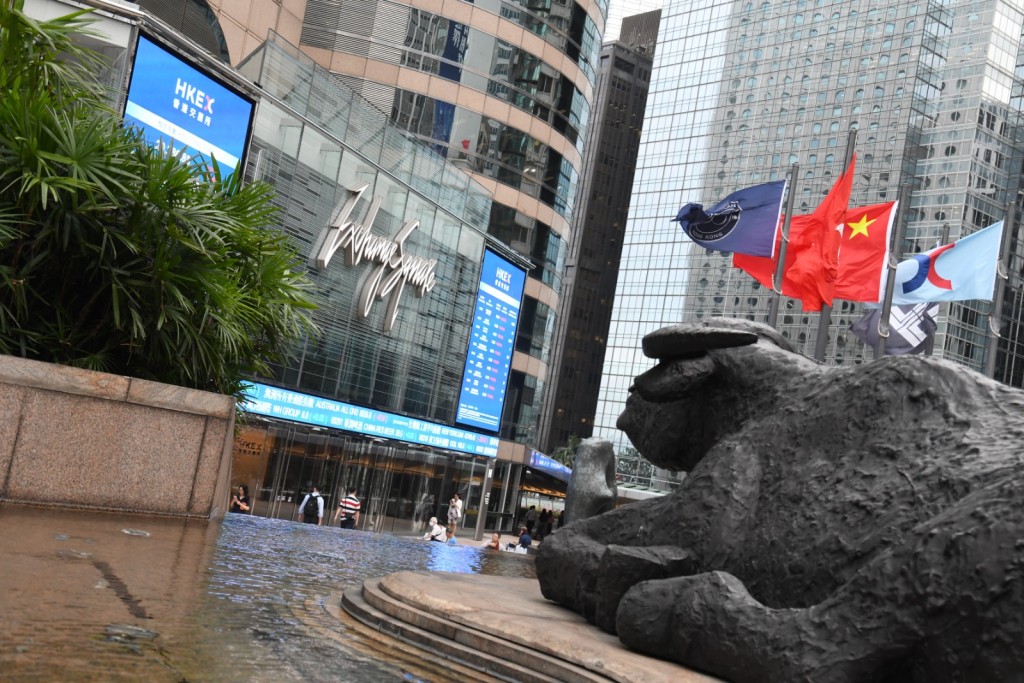
Hong Kong stocks reversed early losses by noon on Friday following a global market decline as China takes the brunt of US President Donald Trump's escalating trade war.
The benchmark Hang Seng Index rose 0.56 percent, or 116 points by midday to 20,798 points. The Hang Seng Tech index increased 80 points to 4,894 points.
The benchmark index fell 0.8 percent in early Friday trade, hovering near a three-month low and bringing its losses this week to 9.7 percent.
The market turnover on the main board was around HK$127.9 billion.
In mainland China, however, the stock market has been supported by purchases from state firms and the declines were much milder.
Thursday's relief rally as Trump hit the pause button on most of his so-called "reciprocal" tariffs was short-lived and traders are now assessing the impact of duties levied thus far. The pause did not include China which has had eye-popping duties of 145 percent levied on its goods this year.
Beijing has stepped up efforts to stabilize mainland markets this week, with a state fund and state holding companies stepping into the market to buy stocks. A slew of listed firms have also announced share buybacks.
The Shanghai Composite Index was down just 0.1 percent by Friday noon to 3226 points, though the blue-chip CSI 300 Index dropped 0.6 percent at one point during morning trade. Both indexes are on track to lose 3.8 percent this week, their worst weekly decline in four months.
Liam Zhou, founder of Shanghai-based Minority Asset Management, said his US$1 billion (HK$7.8 billion) portfolio is now fully invested in China stocks and that he was wagering on the country's economic resilience.
"China's retaliation against US tariffs drew strength from the fact that China has reduced economic reliance on the US. It has also proactively tamed property sector risks, made technology breakthroughs and is upgrading the manufacturing sector," he said.
Elsewhere, Wall Street saw a sharp decline overnight. MSCI's broadest index of Asia-Pacific shares outside Japan lost 0.3 percent, while Japan's Nikkei tumbled 4.37 percent at midday.
REUTERS AND STAFF REPORTER