Many people wonder: "If elderly people eat a vegetarian diet and don't drink milk, isn't it easy for them to lack calcium?" This is especially true for those on a strict vegan or plant-based diet, who have fewer dietary calcium sources like milk, yogurt, and cheese. A common misconception is that drinking soy milk daily is enough. However, the calcium content of regular soy milk is actually much lower than that of dairy milk. One glass a day does not meet daily calcium needs. Moreover, calcium-fortified plant milks are not widely available. Therefore, elderly vegetarians need to approach calcium intake from multiple angles. Dietitian Liao Hsin-yi shares these 5 calcium-boosting tips:
5 Ways to Boost Calcium Intake
-
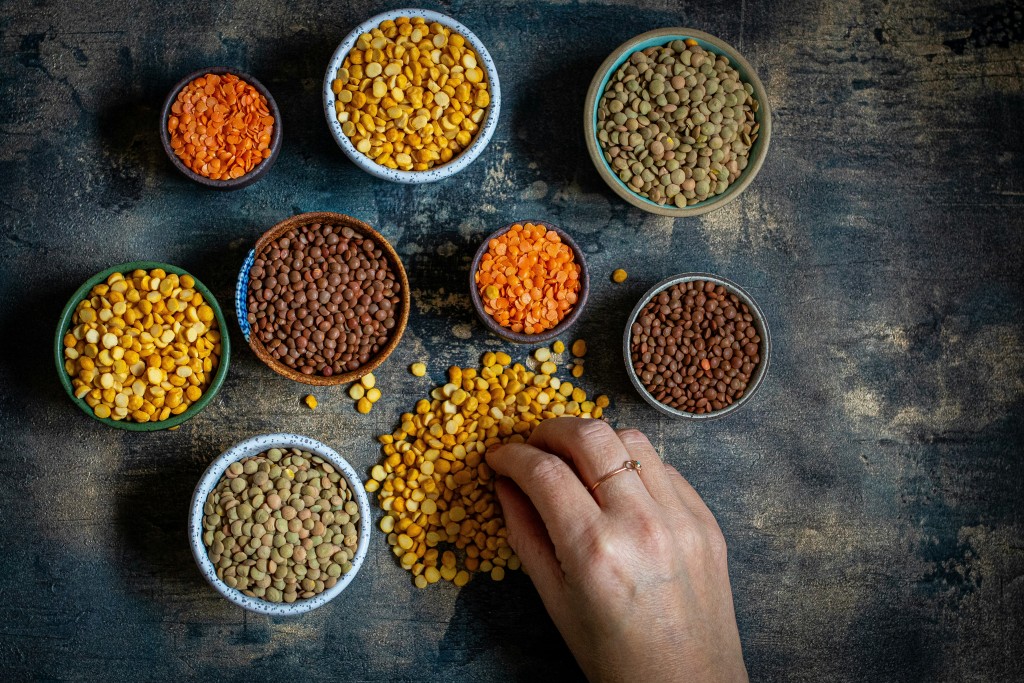
Choose High-Calcium Soy Products
Beyond soy milk, tofu, firm tofu, and dried tofu are good options. However, calcium content varies widely between products, depending on the production method and coagulant used. Some tofu is made with calcium-based coagulants, increasing its calcium content. Silken tofu contains much less calcium than firm tofu—not all soy products are equal. Always check nutrition labels or ingredient lists when buying.
-
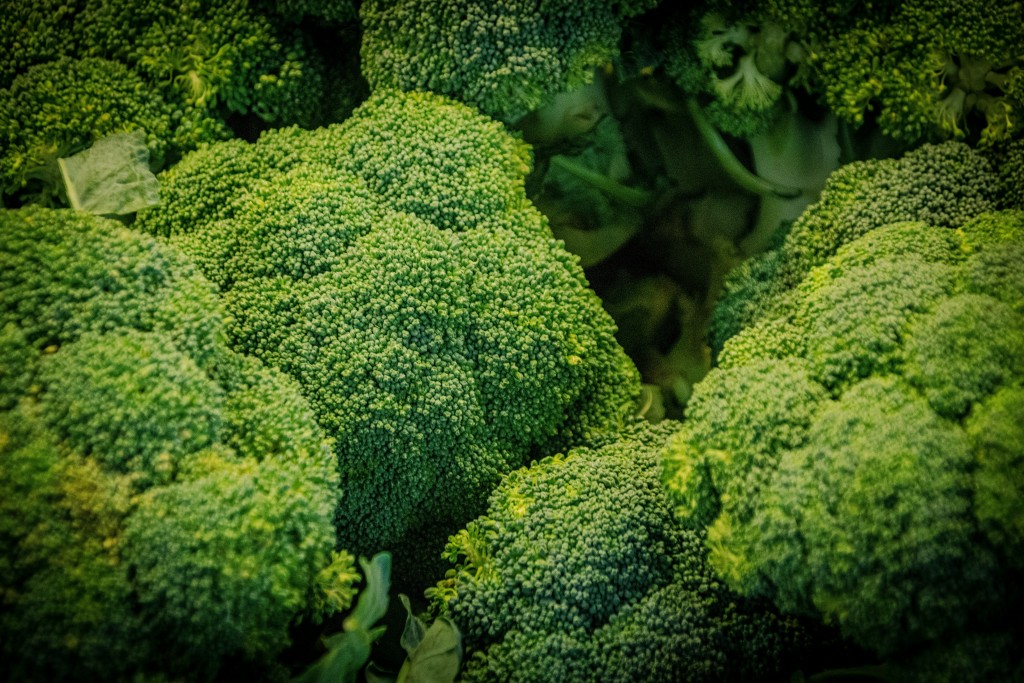
Eat Dark Green Vegetables Daily
Vegetables like Chinese kale, bok choy, Shanghai bok choy, rapeseed, and amaranth are excellent sources of calcium, fibre, and other nutrients. Rotate your choices and eat a variety—don't rely on just one type.
-
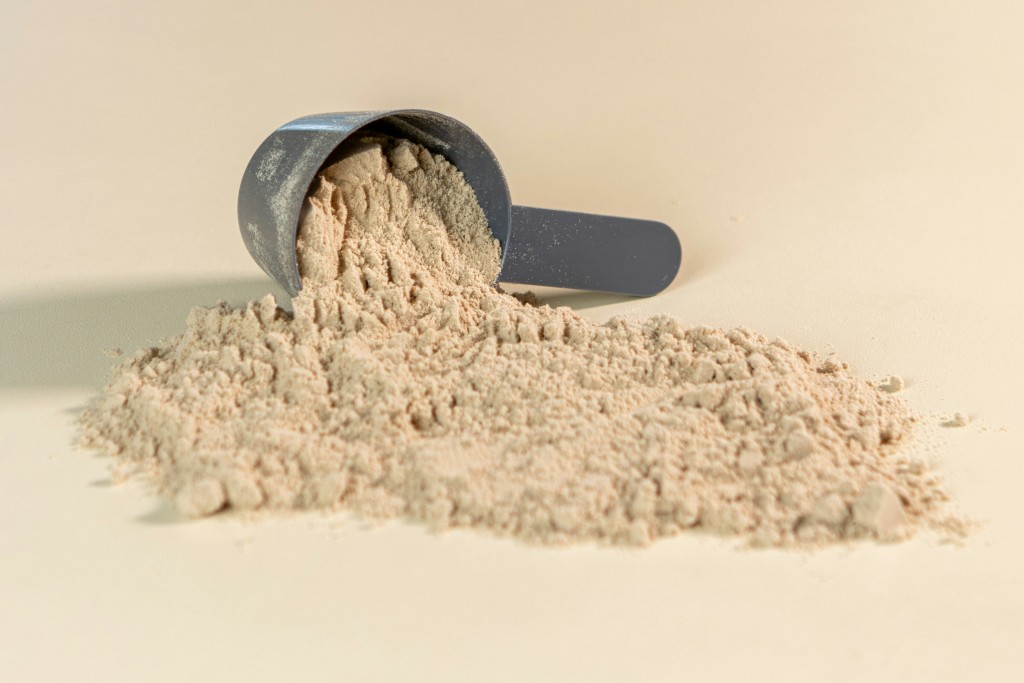
Use Sesame Powder or Black Sesame as a "Boost"
Add black sesame powder to unsweetened soy milk at breakfast, or sprinkle sesame on dishes. It's a great way to supplement calcium. However, sesame portions are usually small, so use it as a boost—not your sole calcium source.
-
Choose Calcium-Fortified Plant Milks
When buying soy milk, oat milk, or other plant milks, check the nutrition label for calcium content. Some products are fortified with calcium, making them a convenient option for seniors who don't drink dairy milk.
-
Don't Forget Vitamin D
Calcium needs vitamin D to be absorbed and utilised. Many seniors get little sun exposure and may be vitamin D deficient. So, in addition to diet, spend time outdoors and pay attention to your vitamin D status.
Full-Day High-Calcium Meal Plan
Dietitian Liao suggests this sample one-day meal plan for non-dairy vegetarians. Spreading calcium sources across three meals is more effective than relying on just one:
-
Breakfast: High-calcium plant milk or fortified soy milk + black sesame powder
-
Lunch: Brown rice with soybeans + soy products + dark green vegetables
-
Dinner: Chickpea rice + firm tofu or dried tofu + another dark green vegetable
Liao emphasises that daily soy milk alone does not guarantee sufficient calcium. This is especially true for elderly vegetarians with smaller appetites, poor dental health, or osteoporosis risk. They need to carefully review their overall food choices. If dietary intake is very limited, consult a doctor or dietitian to assess whether calcium and vitamin D supplements are needed.
Source: Dietitian Liao Hsin-yi