Read More

Doctor recommends 3 low-calorie desserts
14 hours ago
4 warning signs of scalp sunburn
23-08-2026 12:00 HKT

IT manager sentenced to 22 months for stealing $1.2m in Deloitte laptops
21-08-2026 21:49 HKT
For urban residents who often eat out, be careful of triggering major eczema flare-ups. Registered Chinese medicine practitioner Ou Jiahui shared a case with Sing Tao Headline about an 11-year-old boy whose eczema acutely flared up and who experienced recurrent gastroenteritis due to frequent consumption of takeout food. He subsequently sought treatment with Traditional Chinese Medicine (TCM). After one month of herbal treatment, his skin gradually healed and his gastrointestinal symptoms improved.
The boy's mother reported that her son had been experiencing an acute eczema flare-up for three months, primarily on the inner elbows and backs of the knees. The skin was broken, eroded, and oozing yellow fluid, accompanied by intense itching. Red patches were also visible on the left side of his neck, with severe nighttime itching. He was temporarily relying on topical ointments for control, but the skin lesions were not effectively managed. Simultaneously, the boy had repeatedly experienced gastrointestinal discomfort, such as poor appetite, frequent nausea, even vomiting food residue, abdominal pain, and diarrhea.
When Ou inquired about any sudden changes in the boy's lifestyle before the onset of symptoms, his mother mentioned they had been eating takeout frequently in recent months, including spicy, oily, and fried foods. Additionally, Ou noticed the mother walked into the clinic on crutches. Upon asking, she learned the mother had fractured her ankle in an accident three months prior and had been relying on crutches recently. Due to the inconvenience of cooking with her foot injury, the family had mainly been eating out for the past few months.
Ou explained that eczema at the elbow and knee joints is commonly seen in children and is also known in TCM as "Si Wan Feng" (Four-Bend Wind), typically occurring in the flexural areas of the limbs, such as the elbow creases and popliteal fossa (behind the knees). As described in the TCM text "Wai Ke Da Cheng": "Si Wan Feng occurs in the bends of the legs and feet, flaring monthly with unbearable itching, resembling wind-induced lichen, scratching until it forms sores."
She believes this case is closely related to dietary irregularities. Excessive consumption of greasy, sweet, and rich foods promotes dampness and generates heat, impairing the spleen and stomach's transportation and transformation functions. In the long term, spleen deficiency with dampness abundance, internal accumulation of damp-heat, and compromised defensive function of the skin collectively lead to the recurrent flare-ups of eczema.
The prescribed treatment aimed to clear heat, dispel dampness, and regulate the spleen and stomach. It was complemented with a topical anti-inflammatory and anti-itch ointment prepared by the practitioner to reduce inflammation and repair the damaged skin barrier, achieving internal and external combined treatment. Furthermore, improving dietary habits is crucial for promoting rash healing and preventing recurrence. After one month of comprehensive treatment, the patient's eczema significantly subsided, the skin on his elbows gradually healed, and his gastrointestinal symptoms markedly improved.
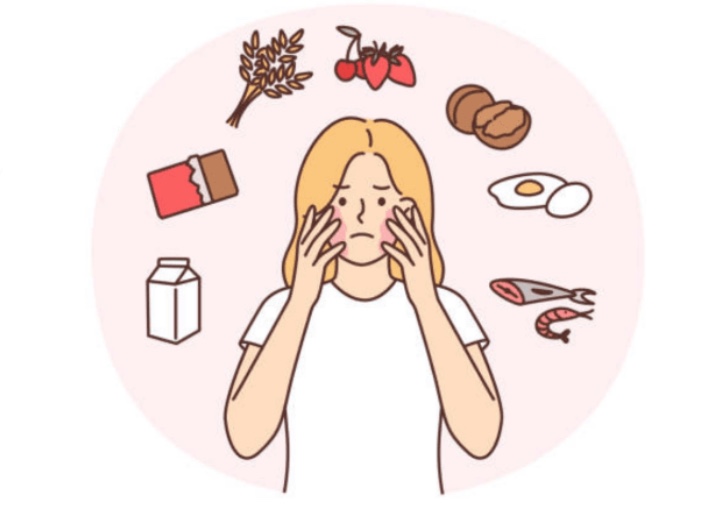
Ou stated that this case reflects how poor dietary habits in children can lead to acute eczema and gastrointestinal discomfort. Through internal herbal medicine and external treatment, the patient recovered well. She also reminded that children with eczema must strictly avoid dietary "triggers" (foods considered stimulating or allergenic in TCM).
Ou shared four methods to care for eczema wounds, aiding healing and preventing infection or scarring: