Am inspection at source is often the traditional way to find out problem areas, but recently, Hong Kong has found a reverse way of achieving effective results. This innovative system involves inspections at the end.
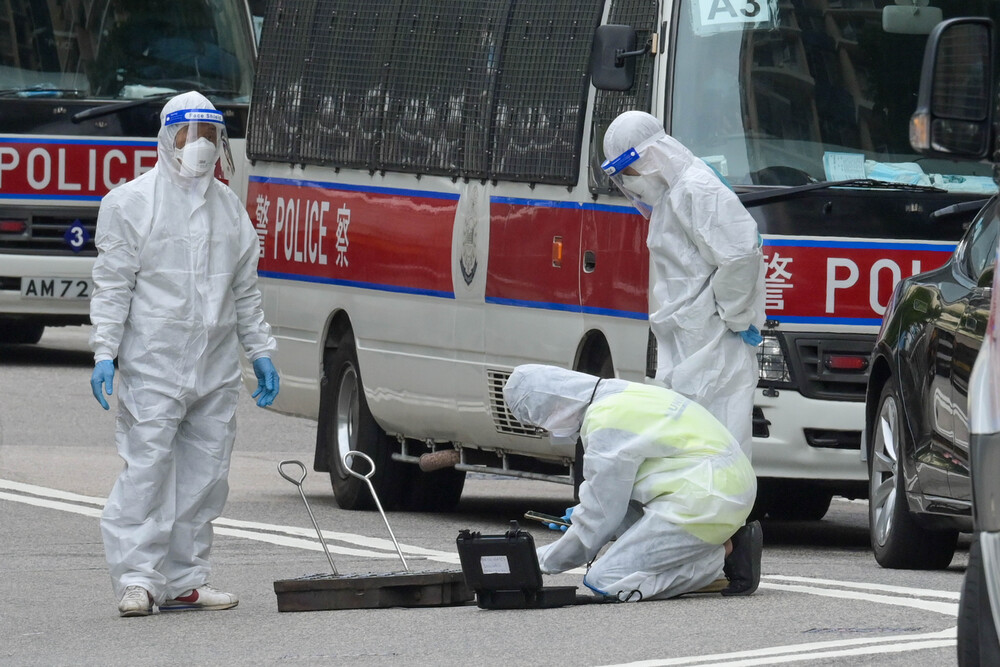
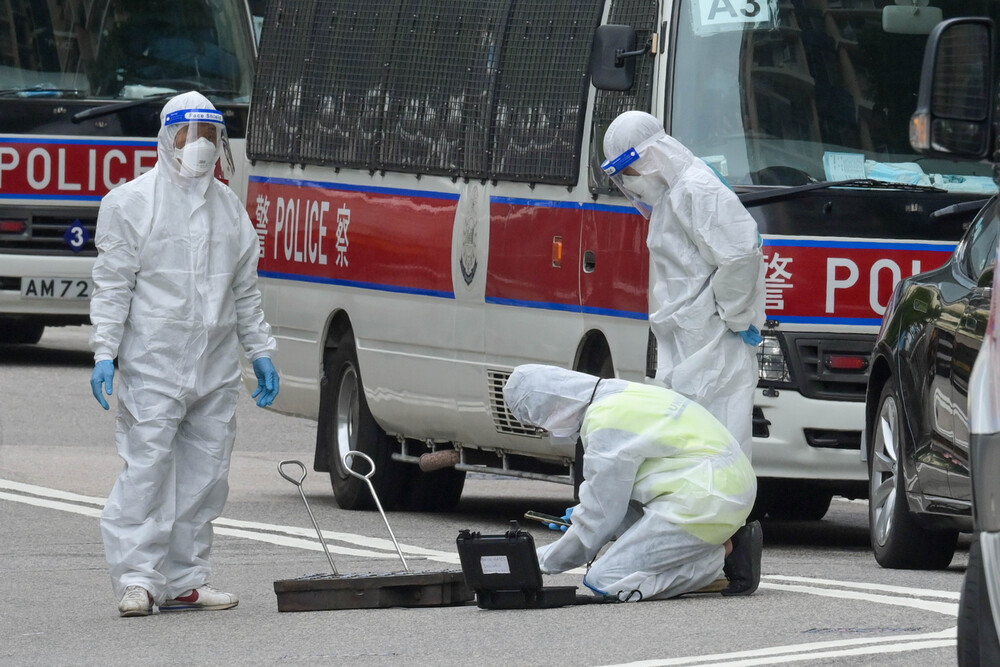
A cross-disciplinary team from the University of Hong Kong, working in collaboration with the environmental protection and drainage services departments, has devised a way to test sewage to identify buildings that may house people suspected to have the Covid-19 virus.
Imagine a tree diagram as the map of the sewage system in a district, with the trunk at the downstream end heading toward a sewage treatment plant and the small branches collecting waste from individual buildings.
Virus detection at the trunk can easily be traced, by eliminating those areas where the virus was not found but only following the tree to those branches where the virus continues to be detected.
The affected buildings can be identified quickly and accurately. Fortunately, even for our congested city, sewerage manholes can, even without ready access to drainage system diagrams, be easily identified: they are square as distinct from the round covers of surface water drains.
Commencing in October, the scheme has proven successful in monitoring virus spread in residential areas, sampling from over 150 points and covering about five million people.
Samples are collected early in the morning for analysis in labs, enabling the EPD to pinpoint buildings with virus effluent so the Centre of Health Protection can be quickly and accurately advised to block off them off for compulsory testing.
This test enabled the quick identification of occurrences of the Delta variant last year and by the end of February, more than 120 buildings were cordoned off for compulsory virus tests, more than 180,000 residents were tested and over 15,000 infections identified.
Though this method of tracing sources of virus occurrence cannot replace a total inspection, it has proved to be an effective first order test, as anyone infected would invariably use toilets at home that flow into the sewerage system.
From many weeks when no infected cases were found up to the last few weeks of 2021, recently it had helped to seek out some 10 percent of residents in most buildings as infected.
This percentage seems to correlate closely the compulsory testing results obtained by the Health Department.
This innovative testing system, pioneered here, has helped the University of Hong Kong to win many awards.
They include, apart from many local accolades, a Gold Medal for Innovative Sewage Testing Tool for SAR-Cov-2 at the 2021 Inventions Geneva Evaluation Day of the International Exhibition of Inventions.
The award is in recognition of an ingenious and innovative idea initiated by an engineering professor at the university that was swiftly developed in collaboration with its medical professors.
More important, it shows that when the engineering profession works closely with the medical profession, joining academic research with government authorities, and supported by private testing and inspection organizations, a multidisciplinary team can reap effective results.
Even more significant is that it is timely and useful today, when we need a convenient but reliable way to quickly identify sources of virus spread so our government can be better equipped to protect us.
Veteran engineer Edmund Leung Kwong-ho casts an expert eye over Hong Kong's iconic infrastructure
Residents of a building in Tsing Yi line up for compulsory testing after Covid was found in sewage samples.