Deep rot targeted: Enhanced 'Smart Tender' and Wang Fuk Court hearings push for systemic reform in building maintenance


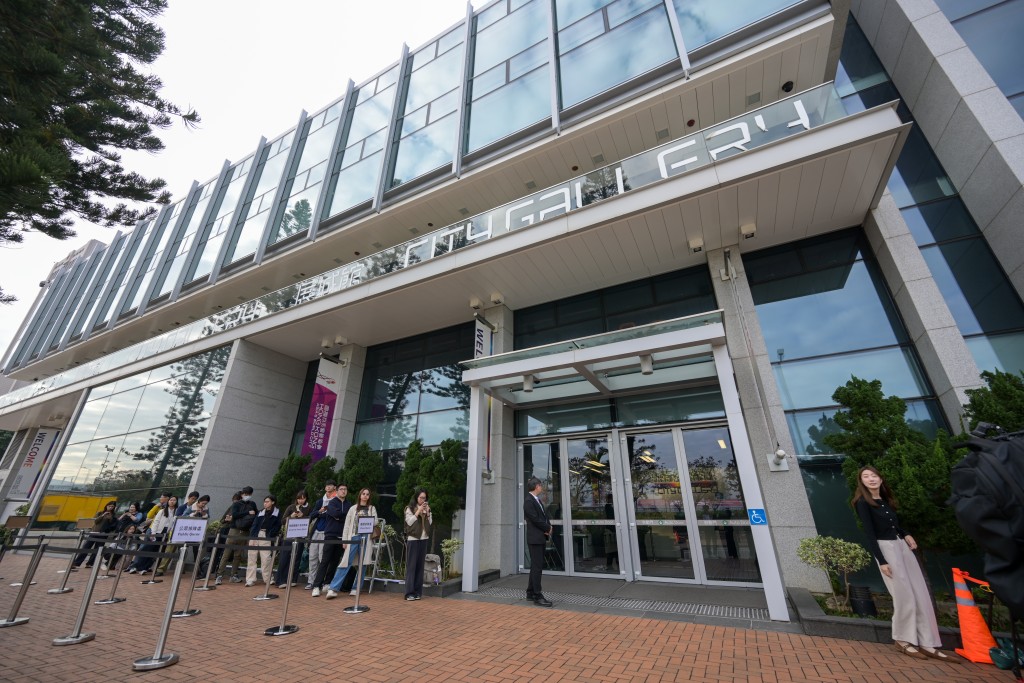
With a public hearing set to start to investigate the tragic Wang Fuk Court fire, Hong Kong is moving to overhaul its building sector with an enhanced "Smart Tender” targeting deep-seated bid-rigging and corruption behind the shadows.
The first of eight evidential hearings, set to commence this Thursday (Mar 19), is expected to uncover the cause of the fire, deliver a full public accounting, and drive reforms.
This deadly incident has not only brought accountability to the forefront but has also revealed systemic issues within the industry—where collusion, triad involvement, lax ethics, and property management failures have been entrenched for decades.
To strengthen oversight of building maintenance projects, the government previously announced an enhanced version of "Smart Tender“ to be implemented by the Urban Renewal Authority (URA) later this year.
Execution details are expected to be finalized in the coming months, followed by consultation with the industry stakeholders.
Sources suggested that stricter pre-qualification lists for consultants and contractors will be established in the enhanced platform, where companies must pass background checks by the police and the Independent Commission Against Corruption (ICAC).
The initiative will also scrutinize the backgrounds of company directors to prevent individuals from escaping accountability through the formation of shell companies.
Additionally, coordination with law enforcement will be intensified to proactively monitor related individuals' criminal records, including those still under investigation.
For buildings applying for government repair subsidies, the URA will oversee the entire tendering and evaluation process for hiring consultants and contractors, breaking any potential collusion between parties.
Notably, any critical project junctures—including amendments to the scope of works or increases in project costs—must be reported to the URA for independent evaluation.
Addressing industry concerns that contractors might collude on inflated bids, the government will act as a "goalkeeper," analyzing bid prices against the index numbers of the related costs to ensure fairness and transparency.
If the URA discovers unusually close bid prices that stray from market indices during evaluation, it will have the authority — similar to government land sale practices — to cancel tenders and initiate new bidding processes.
With the latest Budget proposing the allocation of HK$300 million to the URA to establish a dedicated team providing enhanced "Smart Tender" services and related subsidies, many see it as the government's commitment to reforming building repair mechanisms.
Following the Wang Fuk Court fire, the Chief Executive pledged a thorough investigation with accountability, proposed improvement measures across various sectors and established the Independent Committee in relation to the fire at Wang Fuk Court in Tai Po to expedite systemic reforms.
The committee is expected to publish reports and provide recommendations aimed at preventing similar incidents after hearing testimonies from Wang Fuk Court residents and reviewing related evidence.
Moreover, the incident's underlying issues—including safety protocols related to building maintenance, construction site security, building management, and fire safety regulations—will also be examined.
Political representatives believe that the findings of the independent commission, coupled with the government's proposed initiatives, will significantly enhance Hong Kong's building safety framework, fostering profound reforms and improving public safety while preventing similar tragedies from recurring.