Wang Fuk Court blaze lays bare decades of bid-rigging, triad influence, and systemic failures in building maintenance


The deadly blaze at Wang Fuk Court in Tai Po has reignited public fury and laid bare decades of systemic failures in the city’s building maintenance industry, with mounting allegations of bid-rigging, triad infiltration, falsified scaffolding net safety checks, and incompetent property management.
Building repairs involve large sums, but most owners lack the expertise to oversee them, creating openings for illegal activity. Poor standards and unethical vested interests in construction and property management have fostered a toxic, long‑standing problem.
Eradicating this problem requires awakening owners to their responsibilities and rights, and the construction and property‑management sectors must root out bad actors and commit to genuine reform to prevent future tragedies.
A property management company operator noted that owners jointly own private flats also share responsibility for management and repairs, but most lack the knowledge and awareness to do so and rely heavily on owners’ corporations (OCs) and property managers. This overreliance creates opportunities for collusion and graft by bad actors.
Last month, the Independent Commission Against Corruption (ICAC) uncovered a bribery scheme in which contractors allegedly bribed management staff and owners’ corporations to win over HK$200 million in a repair contract. 22 people were arrested.
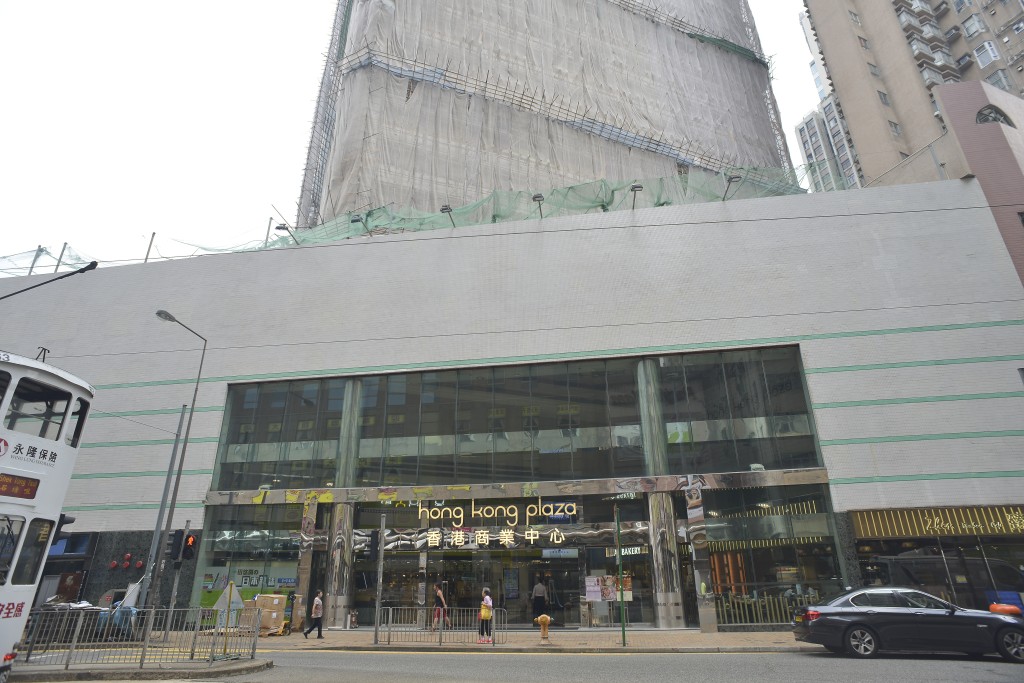
The owners’ corporation of Hong Kong Plaza in Sai Wan was also exposed after its repair reserve swung from a surplus of more than HK$10 million in 2018 to a deficit of HK$5 million five years later, yet it pushed ahead with a HK$90 million renovation — raising questions about the corporation’s financial management and decision‑making.
Another common malpractice is bid‑rigging, where incorporated owners and property managers collude with consultants and contractors to fix tenders and block fair competition. Insiders say tactics have grown sophisticated: stealing confidential estimates, using linked firms to submit inflated “dummy” bids, or staging fake competitors to create an illusion of choice.
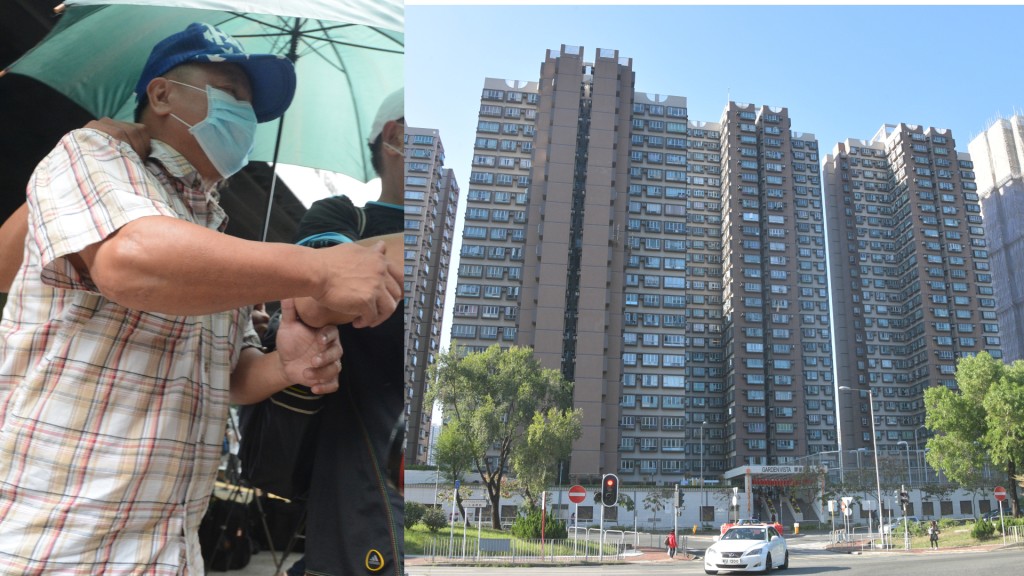
Back in 2013, a scandal over a sky-high HK$260 million maintenance project emerged at Garden Vista in Sha Tin. The ICAC uncovered a large bid-rigging syndicate that colluded with incorporated owners, property management and construction firms through “bid-rigging dinners”, using shell companies to tender and share bribes. The involved subcontractor was eventually jailed for 35 months.
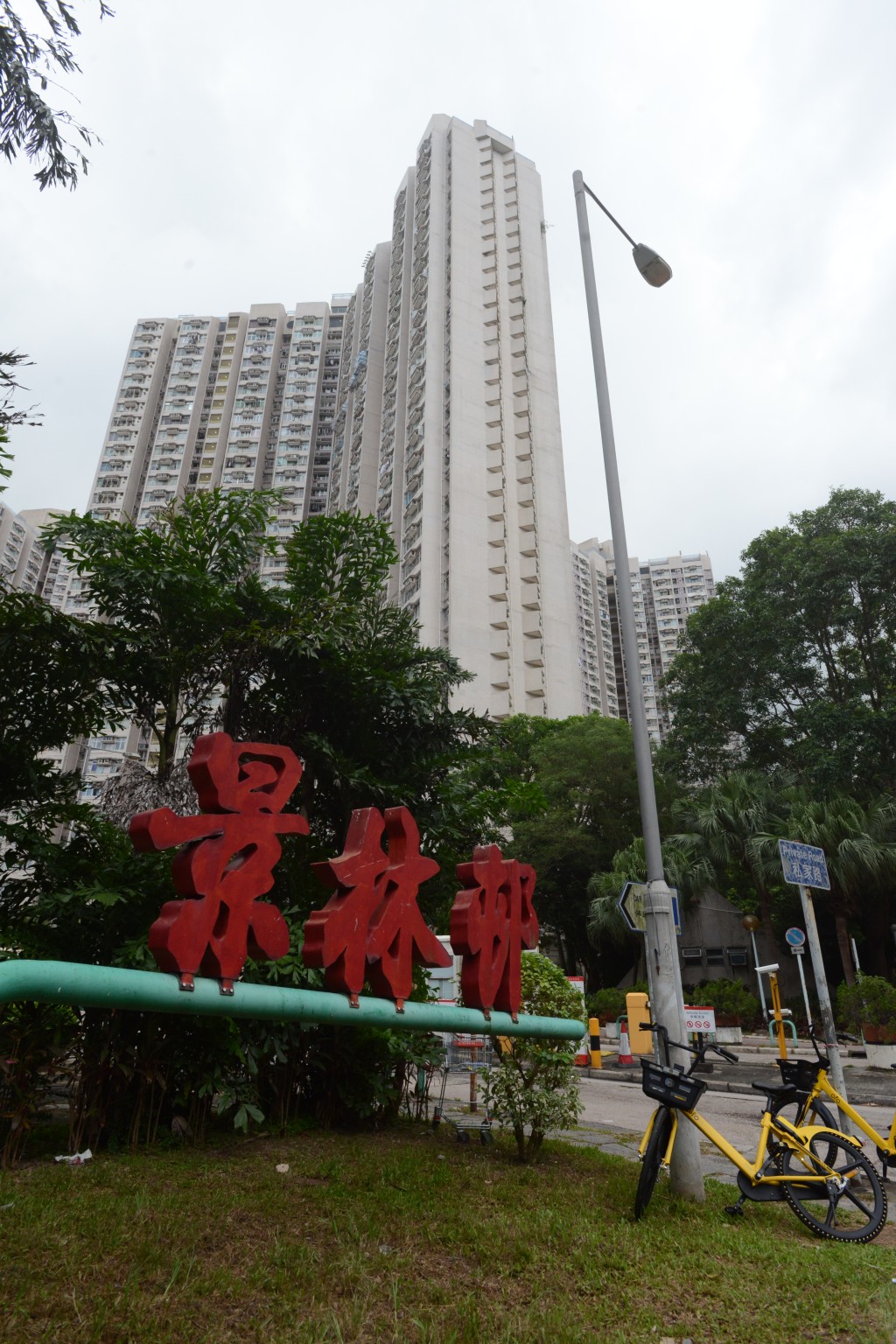
Alarmingly, some construction firms are tied to triads, who boast that “bid‑rigging earns more than drug‑dealing” and use harassment or violence to coerce owners. In 2021, a consultancy in Tuen Mun was doused with red paint during a tender and four suspects were arrested; in 2024, several gang suspects were arrested for intimidating polling agents during the incorporated owners’ election at King Lam Estate, Tseung Kwan O.
As bid-rigging syndicates dominate the market, legitimate contractors are forced out as they cannot compete fairly. Contractors who win rigged bids seek maximum profits by subcontracting work at cut-throat rates, leading to corner-cutting. The Wang Fuk Court fire has sparked public fears over scaffolding net safety and doubts over the quality of materials used.
Industry insiders revealed that expired safety certificates are commonly reused across different sites. Authorized professionals who sign scaffolding safety certificates often only check drawings without verifying on-site materials, with abuses such as pre-issuing certificates or backdating them.
Falsified fire-resistant scaffolding reports were uncovered at Fung Wah Estate in Chai Wan and Fortress Garden in North Point, in which contractors claimed certification from the National Quality Inspection and Testing Centre for Labour Protective Equipment, but police found no such certificates were ever issued.
Community groups say the Wang Fuk Court fire exposed deep‑rooted problems in Hong Kong’s building‑maintenance chain — bid‑rigging, triad influence, professional misconduct, failing property management and graft. They urge boosting owners’ awareness of their rights and duties and pressing the industry to purge wrongdoers and reform to prevent further tragedies.