Individual culpability than family ties: Experts back ruling in wanted Anna Kwok’s father case


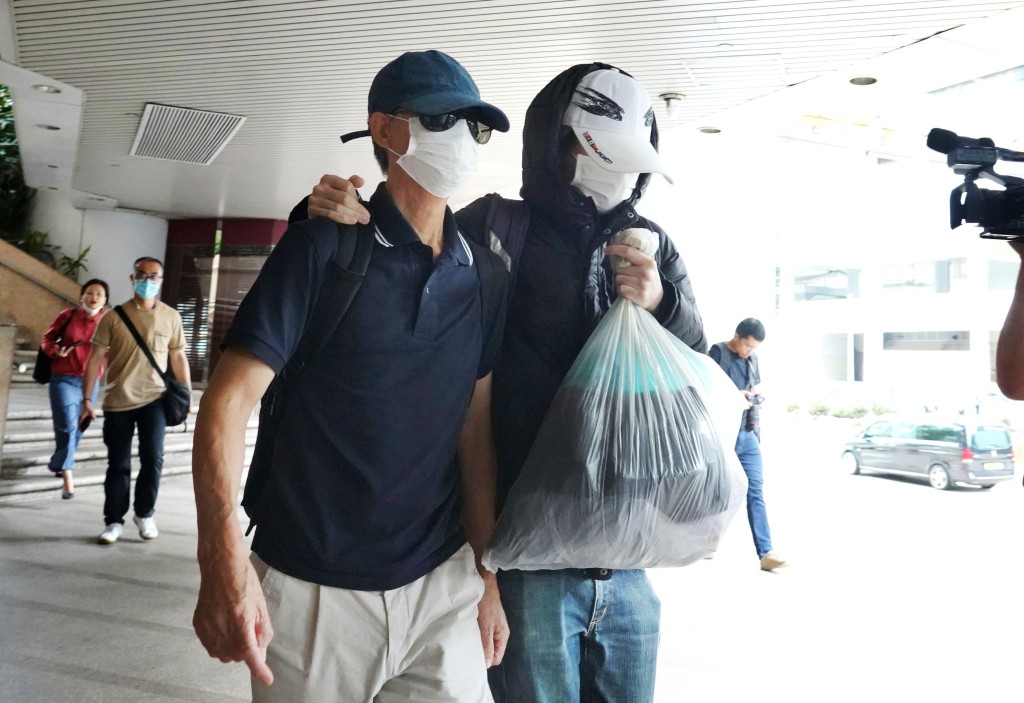
The father of the wanted activist Anna Kwok Fung-yee has been jailed for eight months for attempting to handle her insurance policy—a ruling legal experts say targets individual culpability rather than family ties.
The 68-year-old defendant, Kwok Yin-sang, allegedly attempted to cancel and retrieve a nearly HK$90,000 remaining fund from his daughter's insurance policy last year.
During the ruling, the judge emphasized that regardless of intent—directly or indirectly—handling the assets of fugitives constitutes a violation under the national security law.
As the first case involving a family member of a wanted activist abroad, some Western media outlets have linked the verdict to "collective punishment," claiming families are penalized for an individual’s actions.
However, the judge firmly rejected the accusation, clarifying that the case involves neither "collective punishment" nor family ties—it is based solely on the defendant's actions and culpability.
Legal professionals further argued that the "collective punishment" allegation lacks legal foundation, asserting that criminal liability is based on an individual's "conduct" and "criminal intent" under Hong Kong's legal system—never by their identity or background.
In Kwok's case, the conviction was based on his attempt to transfer funds while being aware that his daughter was wanted and her assets were restricted, making the act of handling her assets illegal conduct.
Experts contend that labeling the verdict as "collective punishment" reflects a misunderstanding of the law and unjustly undermines the independence of Hong Kong's judiciary.
The court's decision for immediate imprisonment underscores the seriousness of the offense and serves as a strong deterrent against anyone contemplating financial support for fugitives, experts added.
Additionally, the ruling serves as a public warning to avoid any involvement with fugitives, which includes making payments to online platforms established by absconders or managing any of their assets.
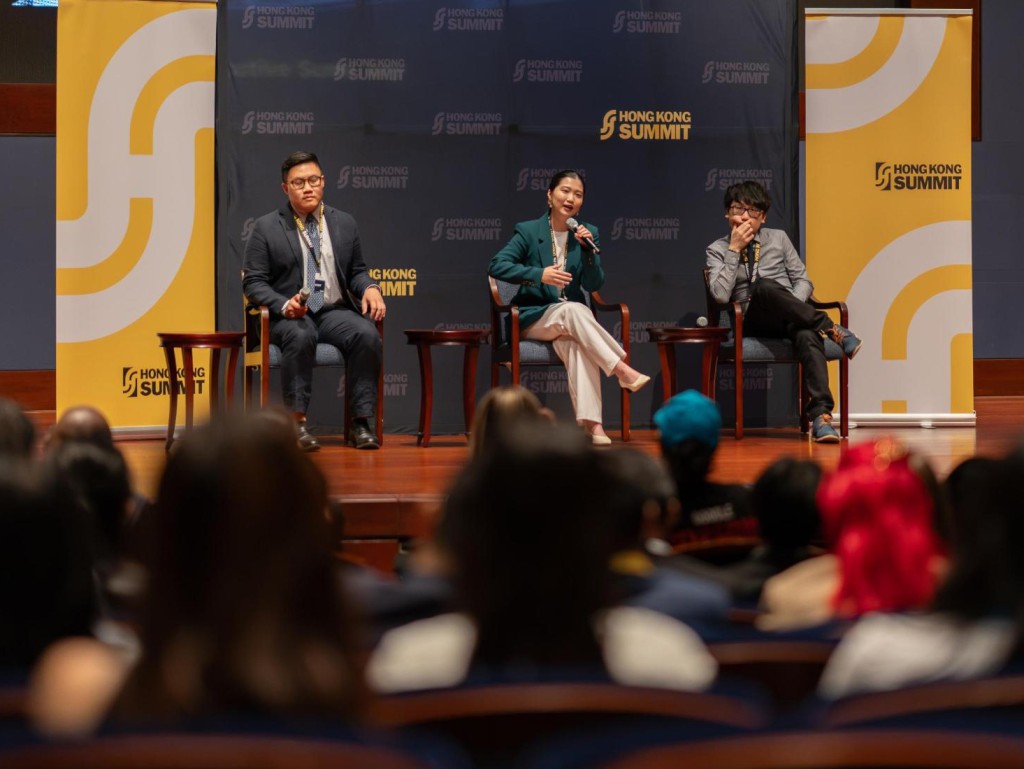
Political figures pointed out that overseas-based anti-China forces persist in undermining China and Hong Kong, including Anna Kwok, who has spent six years as an executive director of an anti-China group, engaging foreign politicians and advocating for sanctions in international forums.
They believe the conviction has pushed these “overseas troublemakers” into a situation of "alienation from family and friends."
While fugitives have previously obtained funds through crowdfunding and subscription fees on social media accounts, this case has set a precedent by targeting insurance assets and strengthened authorities' legal grounds for future actions.
Financial sector insiders also suggest the conviction will significantly heighten vigilance among banks, insurance companies, and other industries, preventing criminals from exploiting loopholes.
"In the days ahead, fugitives' funding channels will gradually be cut off, leaving acts endangering national security nowhere to hide—demonstrating the government's determination to combat anti-China elements," one source said.
They expressed strong confidence that the related regulations safeguard national security and protect Hong Kong's citizens.