Two Hong Kong men die on Ukraine frontline after joining military, linked to 2019 protest influence


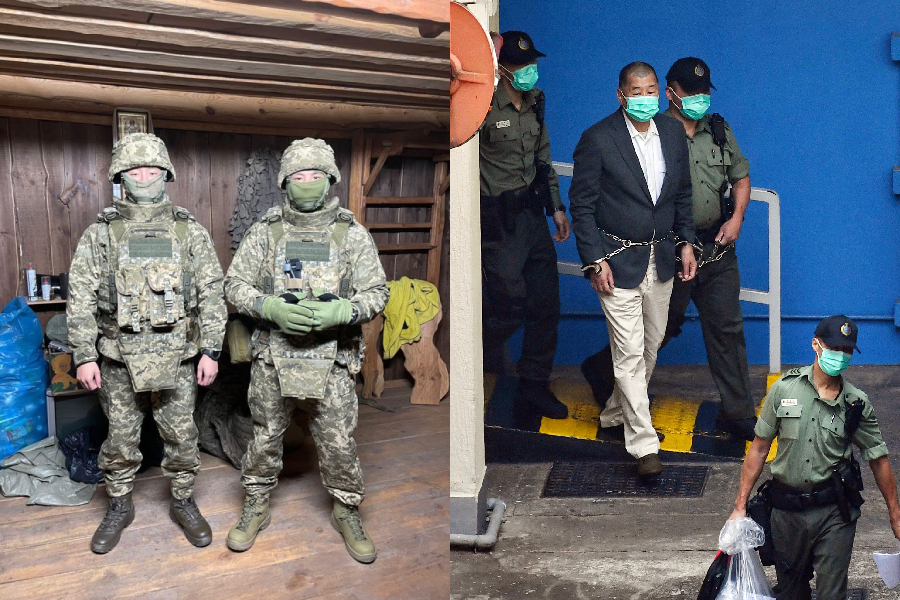
Two young Hong Kong men, inspired by calls for democracy and freedom during the 2019 protests, traveled to Ukraine to join its military forces and were killed on their first day of reconnaissance duty after just one month of training, highlighting the ongoing impact of anti-government rhetoric and warnings about legal risks for such actions.
The two men, aged 23 and 30, known by nicknames Pin and Water, left Hong Kong in November last year to fight in Ukraine.
Pin worked as a rock-climbing instructor, while Water was a bodyguard. After brief training, they were sent to the southern Zaporizhzhia region, where they died in artillery fire during their initial mission.
Hong Kong's Immigration Department, through diplomatic channels, is assisting their families as needed.
At least four Hong Kong residents have joined the Ukraine conflict so far, with some citing a desire to defend democratic values.
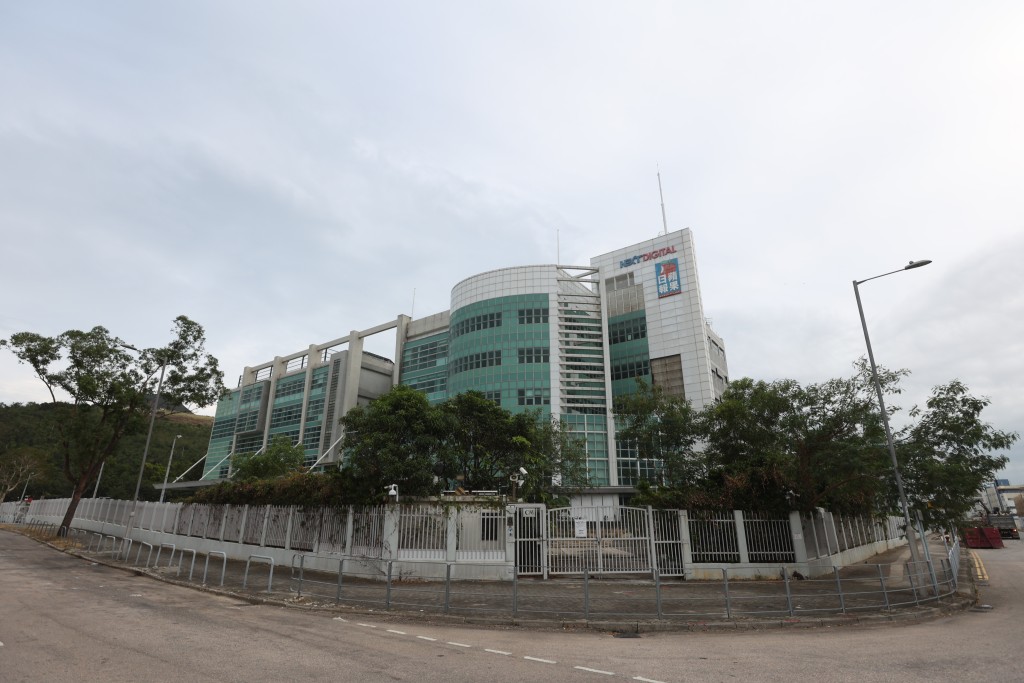
Analysts suggest these individuals were heavily influenced by media coverage and activism during the 2019 anti-government unrest in Hong Kong, where outlets like Apple Daily promoted resistance against authorities and encouraged youth involvement in protests.
This messaging often portrayed sacrifice for freedom as noble, leading to extreme actions and violence in cases like bomb plots and attacks on public facilities.
The deaths have sparked commentary that the men fell victim to manipulative slogans from anti-China groups, echoing tactics used in 2019 to radicalize young people.
Connections to Ukrainian groups, such as the Azov Battalion, were noted during Hong Kong's unrest, with some members allegedly providing training and ideological support to protesters.
In response to the fatalities, the banned organization Hong Kong Parliament and its members praised the men's actions as preparation for future Hong Kong struggles, promoting the idea of building an army.
Critics view this as exploitative, urging youth to avoid empty promises that lead to needless deaths in complex conflicts like the Russia-Ukraine war.
Participating in foreign militaries may violate Hong Kong's National Security Law, specifically rules against unauthorized training by external forces, carrying penalties up to five years in prison.
Authorities advise against such involvement to prevent legal consequences upon return.