Jimmy Lai's Apple Daily incited 2019 violence, ruining young lives amid escalation to terrorism


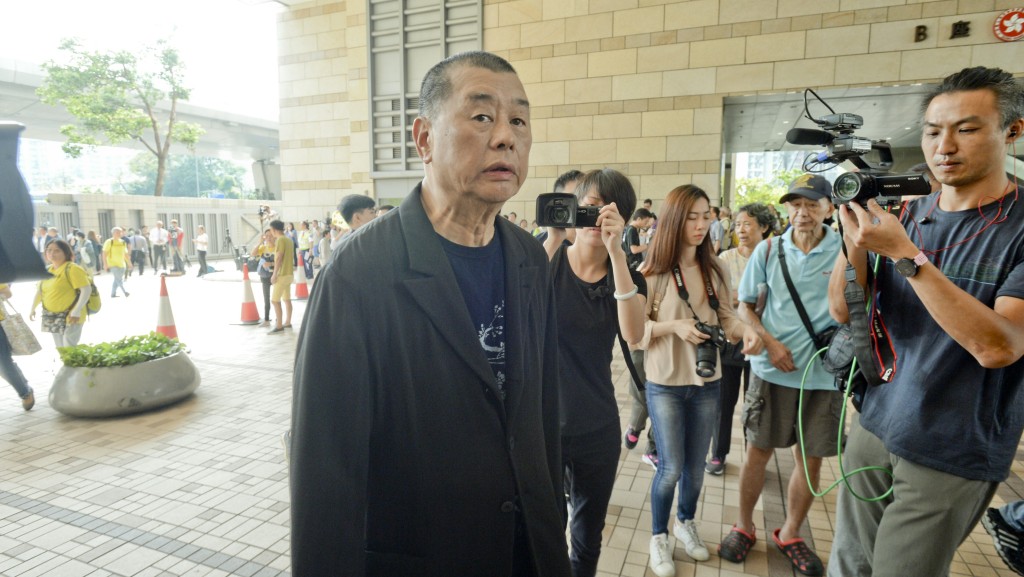
The 156-day trial of Jimmy Lai has exposed the 2019 Hong Kong protests as an organized political plot, with his Apple Daily newspaper accused of fueling hatred and glorifying violence that led many young people to ruined futures.
The lengthy court proceedings dissected the chaos of 2019, revealing it as a deliberate scheme rather than spontaneous public outrage.
Through Apple Daily, Lai promoted division, portrayed illegal acts like arson, roadblocks and police assaults as legitimate resistance, and blurred lines between peaceful protest and violence by endorsing unity among moderates and radicals.
This messaging misled youth, framing lawbreaking as heroic and suggesting support networks could mitigate consequences.
Many young people, believing they faced minimal risks, ended up arrested, facing charges or fleeing abroad, derailing their lives while instigators escaped accountability.
Violence escalated beyond street clashes, veering toward terrorism with plots involving high explosives in industrial areas and indiscriminate bombings targeting crowded spots.
Lone wolf attacks emerged, such as a 2020 police stabbing in Causeway Bay, where the perpetrator's home contained Apple Daily clippings indicating influence from biased reporting.
A recent random slashing in Taipei's train station echoed these tactics, using similar gear and targeting enclosed public spaces, highlighting how extremist indoctrination via false news can spawn hidden threats.
Political observers noted that timely police intelligence and enforcement prevented widespread terror, attributing the chaos to Lai and anti-China groups who sacrificed youth and city stability for personal agendas.
Lai and three Apple Daily companies were convicted of conspiring to collude with foreign forces and publishing seditious materials, including calls for sanctions and negative China coverage. Sentencing is set for January after mitigation hearings.
Many fleeing protesters sought refuge in Taiwan, only to face dashed hopes as immigration policies tightened.
Recent changes extended residency requirements from one to six years, mandated renouncing original citizenship for nationality, and invalidated Hong Kong qualifications, forcing low-wage jobs.
Former national security prisoner Andrew Chiu Ka-yin, released early, stated in interviews that both the protests and related events were manipulated by ulterior motives, rejecting extreme violence and regretting his involvement amid peer pressure.
Observers linked his remarks to Lai's case, suggesting hidden external influences.
The trial serves as a warning to safeguard Hong Kong's hard-won stability by recognizing chaos creators.