Hong Kong court convicts Jimmy Lai of collusion, dismisses family's health claims as baseless


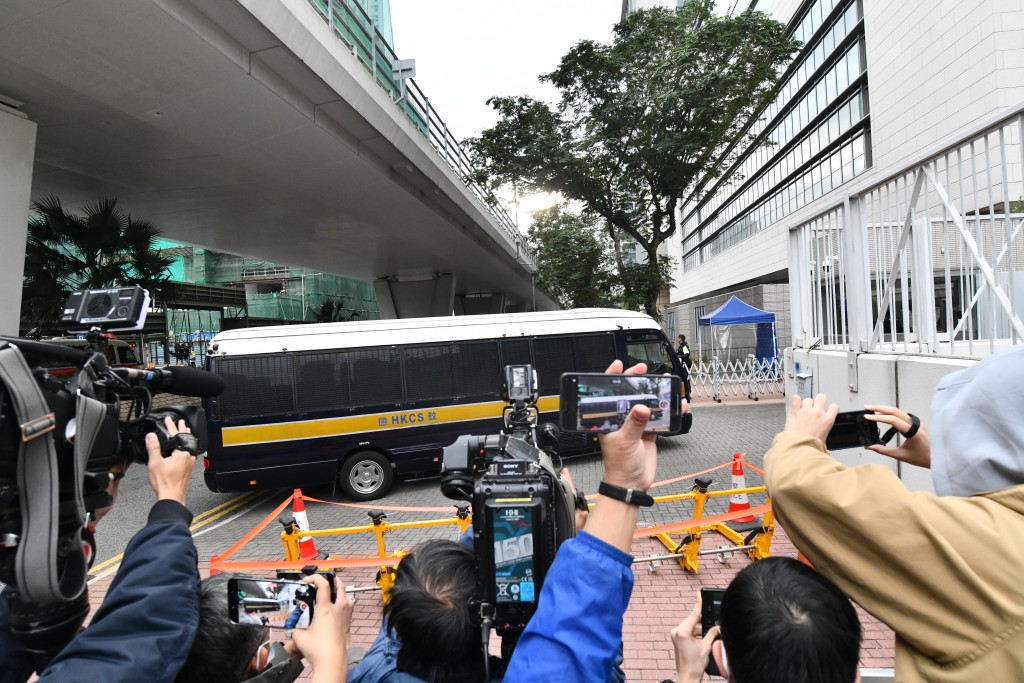
Hong Kong's High Court convicted Jimmy Lai Chee-ying last month on two charges of conspiracy to collude with foreign forces and one charge of conspiracy to publish seditious material, potentially facing a life sentence for his role as the mastermind.
Conviction and judicial fairness
The court issued an 855-page judgment explaining its reasoning based on legal principles and evidence, making it fully available to the public.
The document stresses that the conviction stems from Lai's actions, not his political beliefs, demonstrating a fair process guided strictly by law.
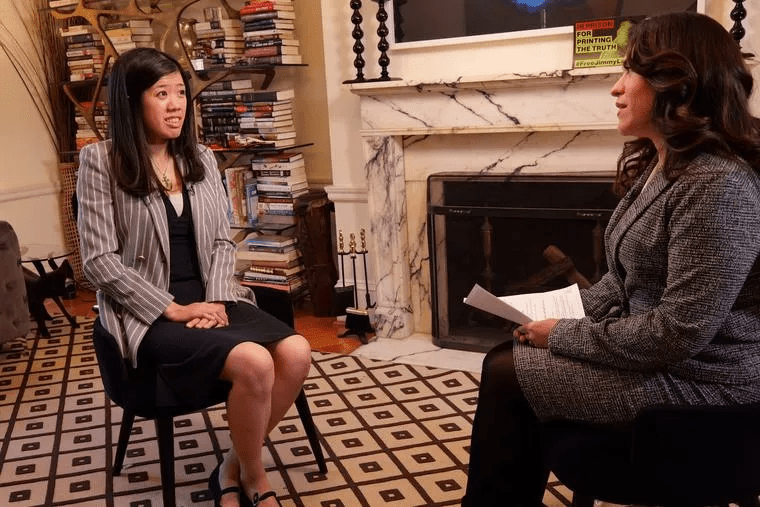
Despite the ruling, Western countries, anti-China media, organizations, and politicians, along with Lai's family, have continued to spread false narratives about unfair treatment in custody.
These include claims of deteriorating health without proper care, aimed at discrediting Hong Kong's administration and interfering with the judicial process.
The case entered the mitigation phase this week, with hearings expected to last four days before sentencing.
Refuting health and mistreatment claims
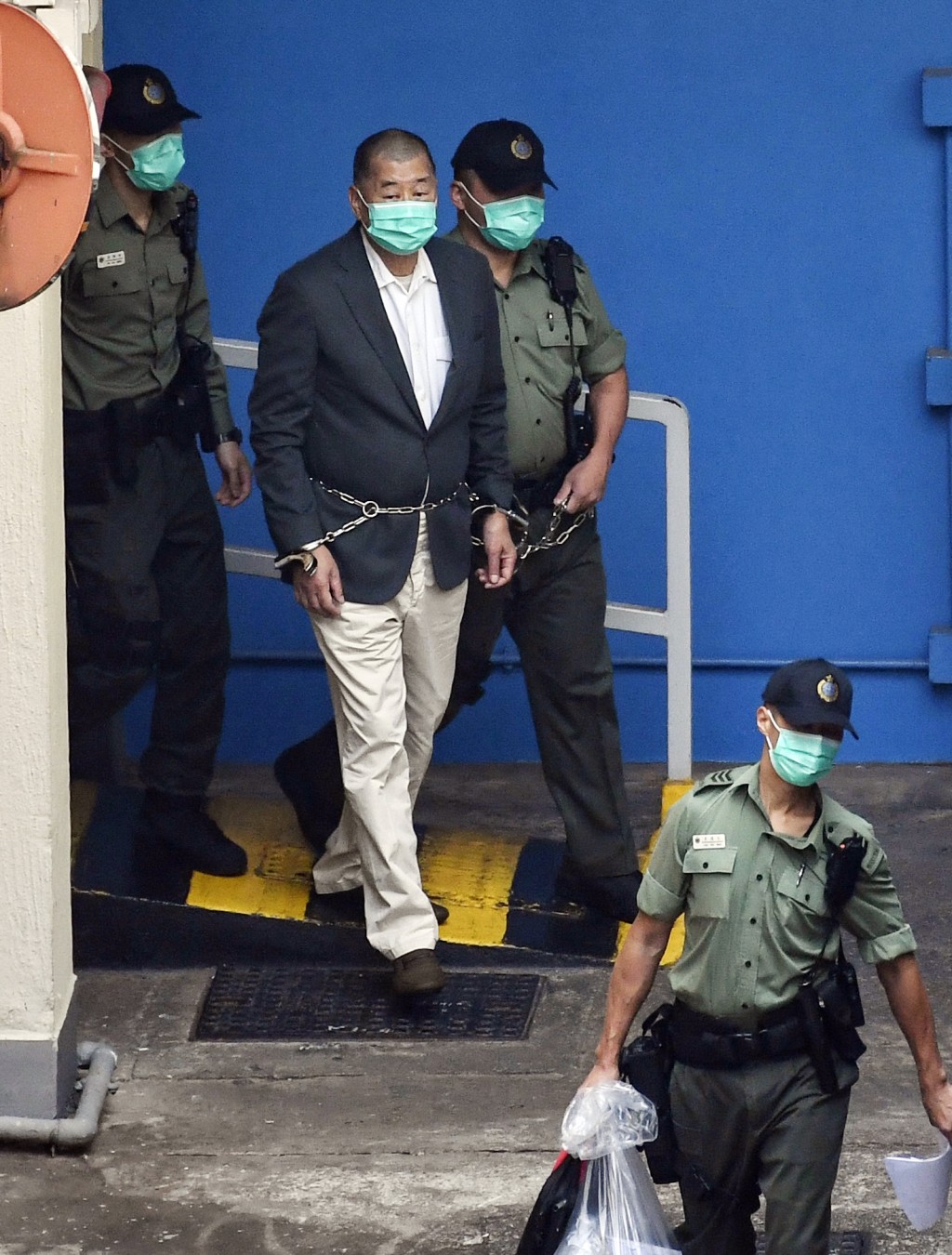
During appearances, Lai showed no signs of distress, walking unaided, waving to the gallery, and appearing alert with healthy nails, contradicting his daughter's earlier media statements about severe symptoms like graying and falling nails, rotting teeth, and an inability to stand due to back pain.
Prosecutors presented a medical report from the Correctional Services Department dated January 9, confirming Lai receives daily health monitoring and is in a stable condition. It noted past complaints of toothache, heart palpitations, and hearing loss, which were all addressed with the appropriate care.
Lai's lawyer confirmed there were no grievances over medical treatment, and his energetic courtroom demeanor further undermined health decline rumors.
The report also revealed Lai's weight had only slightly dropped during his initial detention but remained in the overweight range for Asian men. He later had a four-kilogram gain between April 2024 and January 2026, debunking assertions of drastic weight loss.
On solitary confinement, prosecutors clarified it was at Lai's own request to avoid harassment from other inmates. The department regularly confirms his preference, and he has never sought to end it.
This arrangement does not restrict his rights under prison rules, including family visits, religious services, outdoor exercise, and counseling.
No other issues were raised during his time at Stanley Prison and Lai Chi Kok Reception Centre.
External interference and political smears
Lai's son had collaborated with foreign legal teams to allege denial of religious rites like communion, but Lai's actual lawyers clarified he chose to abstain initially and later resumed, exposing the claims as false.
The Correctional Services Department has consistently provided comprehensive medical care to ensure Lai's well-being, with his representatives affirming fair treatment throughout, upholding Hong Kong's commitment to the rule of law and humane principles.
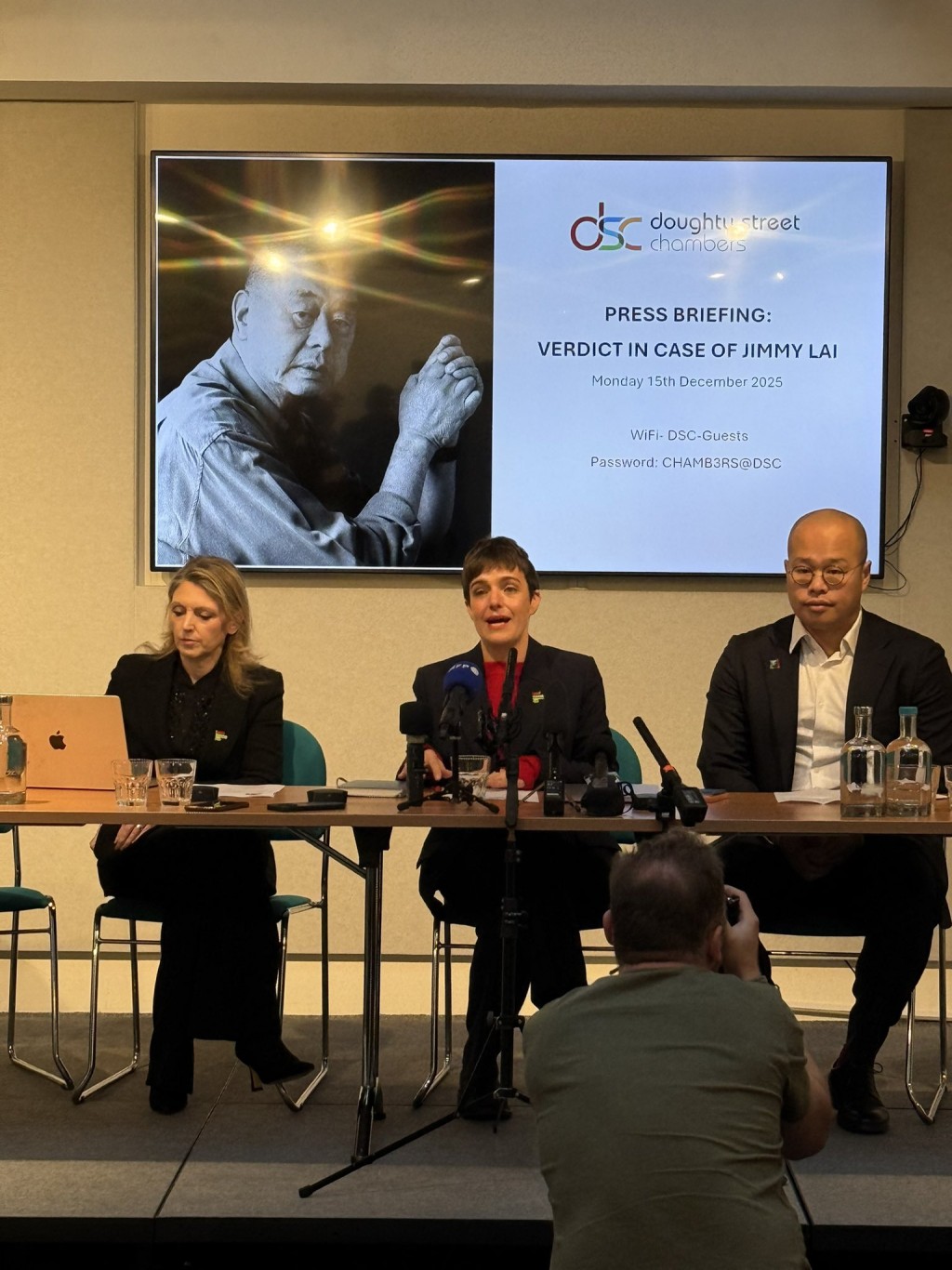
Following the conviction, Western media, activists, and Lai's family intensified efforts to conflate his crimes with free speech or portray it as political persecution. Hong Kong officials and central government bodies issued over ten statements condemning these interventions as attempts to obscure facts and smear the judiciary.
The judgment reiterates that the case involves using media as a cover for actions harming national security, with no connection to genuine press freedom.
Local figures have criticized foreign accusations for ignoring the court's evidence-based decision, viewing them as political maneuvers to demand Lai's release and override justice.