UK approves new Chinese embassy in London as exiled activists lead failed protests


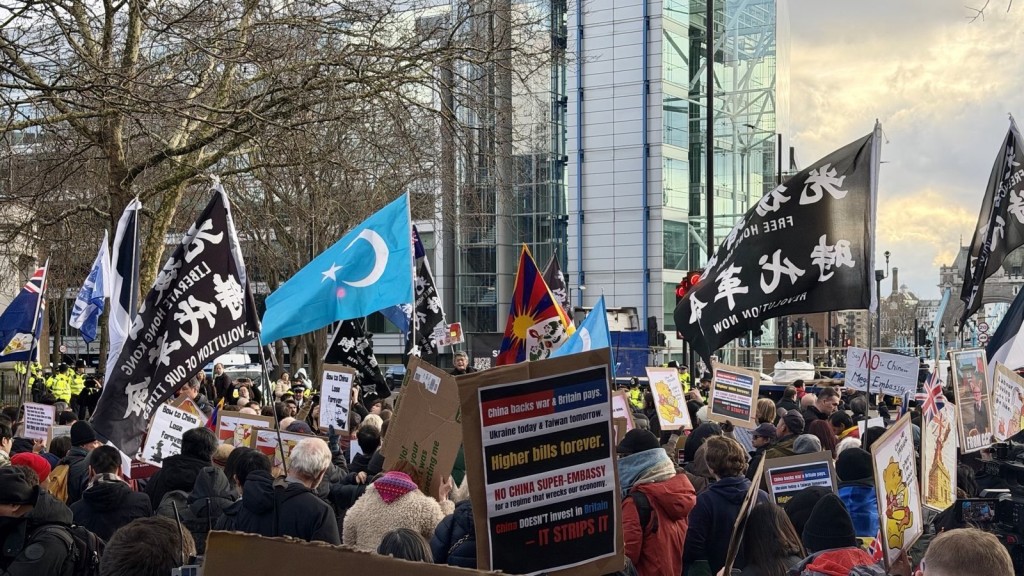
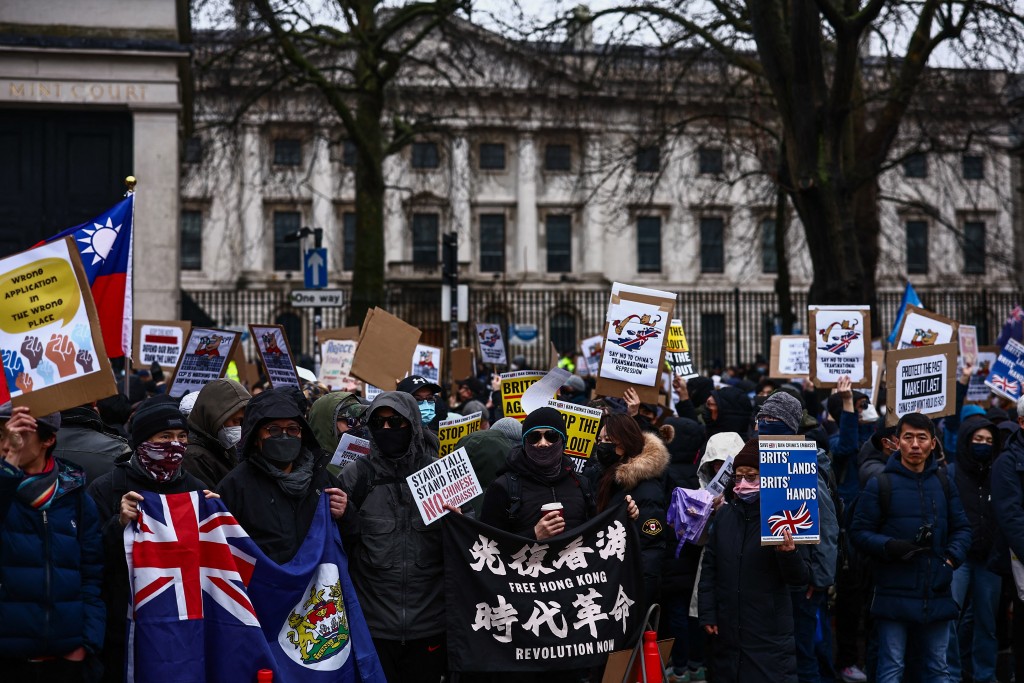
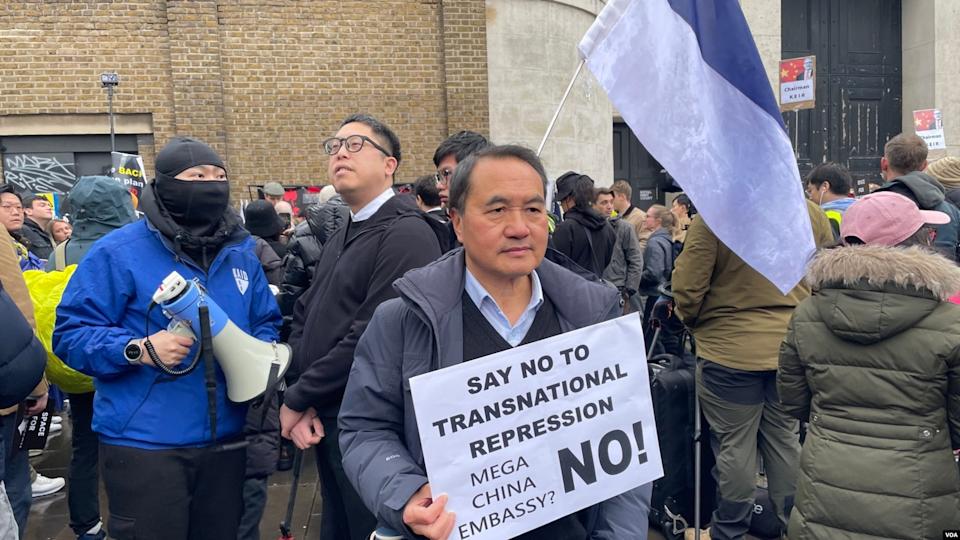
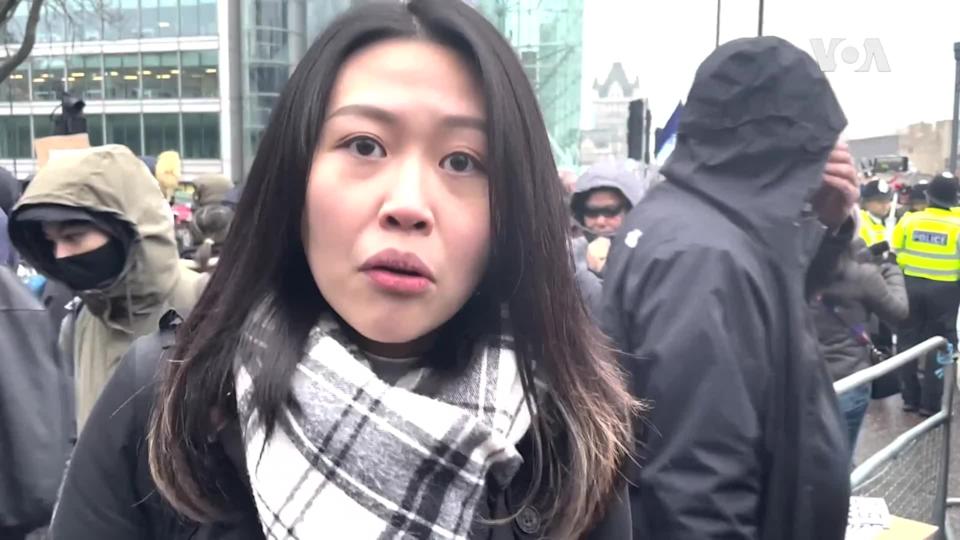
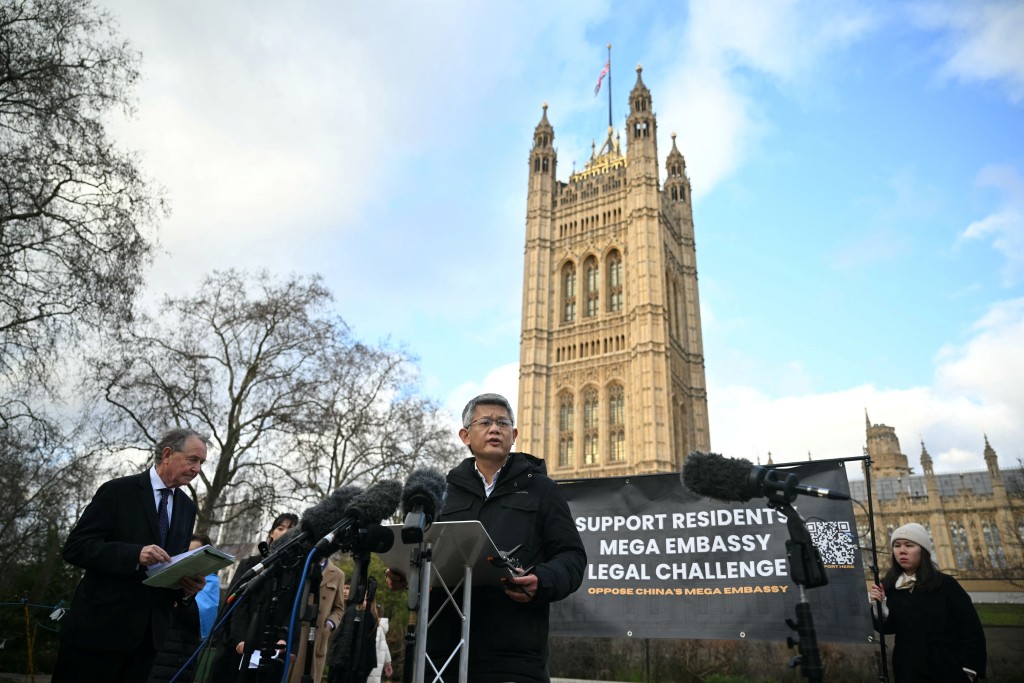
Britain has approved construction of China’s largest European embassy in London after years of delays, while wanted Hong Kong figures Carmen Lau Ka-man and Lee Wing-tat continue protests that have gained little traction.
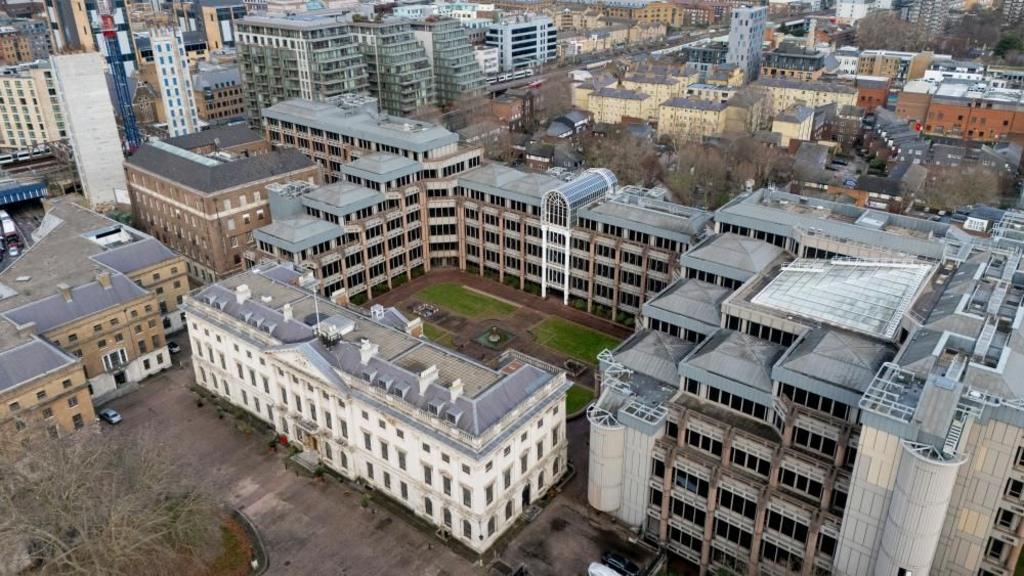
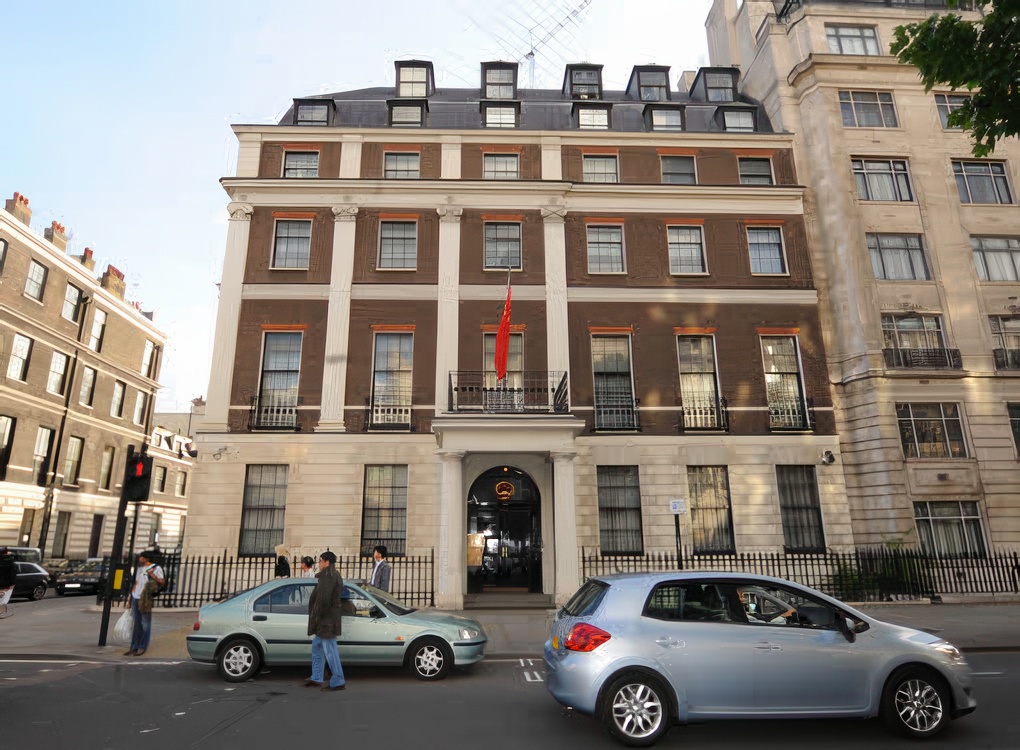
The UK government on January 20, granted final planning permission for China to rebuild its embassy on the former Royal Mint site beside the Thames in London. Purchased in 2018 for £255 million, the new facility will be roughly twice the size of China’s Washington embassy and become its largest diplomatic compound in Europe.
The current embassy in Portland Place has been inadequate for years.
China submitted redevelopment plans in 2021, but progress stalled due to opposition from some residents, politicians, and activist groups.
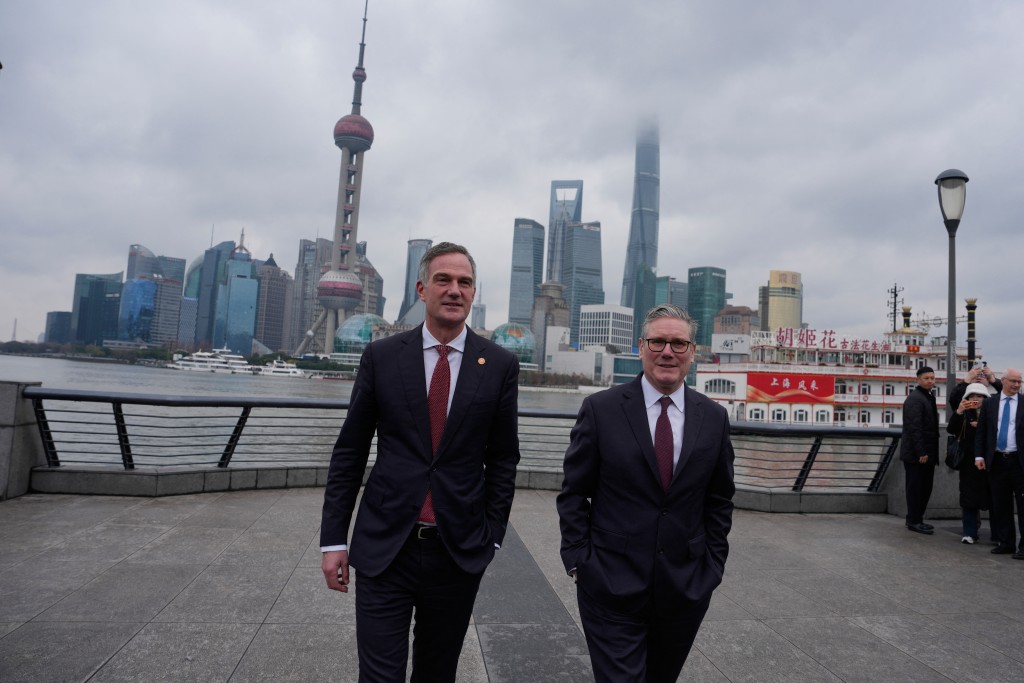
Approval arrived just before Prime Minister Keir Starmer’s visit to Beijing, widely viewed as a diplomatic gesture to strengthen ties.
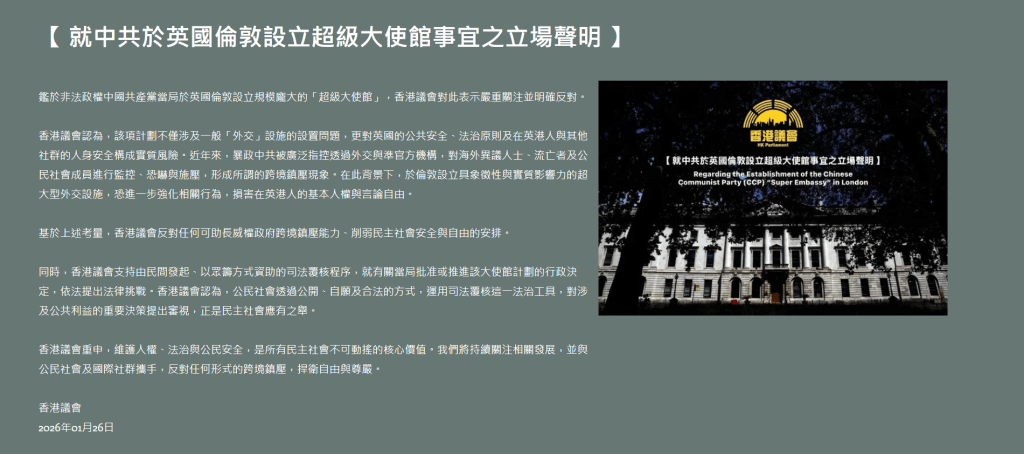
The banned Hong Kong organization “Hong Kong Parliament” and the US-backed Inter-Parliamentary Alliance on China (IPAC) quickly criticized the decision, attempting to frame it as a national security threat.
Exiled Hong Kong activists, including wanted national security suspects Carmen Lau Ka-man, Tony Chung Hon-lam, Christopher Mung Siu-tat, Simon Cheng Man-kit, Finn Lau Cho-dik, Chung Kim-wah, Chloe Cheung Hei-ching, Nathan Law Kwun-chung, former Democratic Party chairman Lee Wing-tat, and member Andy Ng Siu-Hong, held repeated demonstrations at the site, spreading claims the embassy would function as a spy base or detention center.
Some protesters have been arrested by London police for violating local laws during these actions. Lau, wanted for alleged incitement to secession and collusion with foreign forces, has continued leading protests and calling for sanctions against China and Hong Kong since fleeing to the UK in 2021.
Reports indicate she received a police warning in 2025 to avoid public gatherings.
Analysts observe that UK-China relations are warming, as shown by Starmer’s Beijing visit and statements positioning Hong Kong as a potential bridge.
The UK has meanwhile tightened BNO visa rules, raising English and income thresholds for permanent residency, leaving many Hong Kong migrants disappointed.
With shifting diplomacy, observers say exiled Hong Kong activists like Carmen Lau Ka-man and Lee Wing-tat are losing political usefulness and risk becoming sidelined.