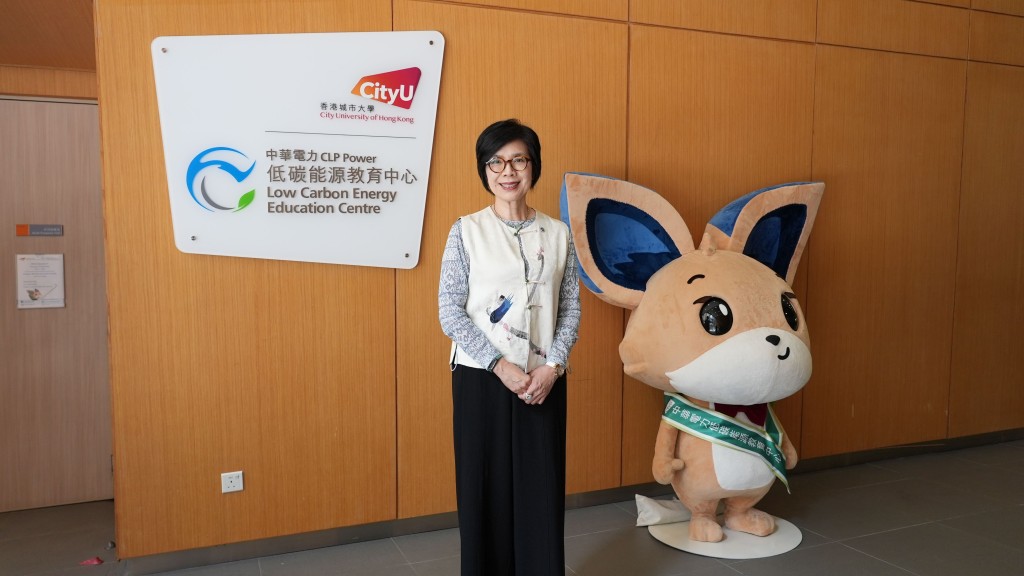
Students learn about national resource security at CLP Power education centre


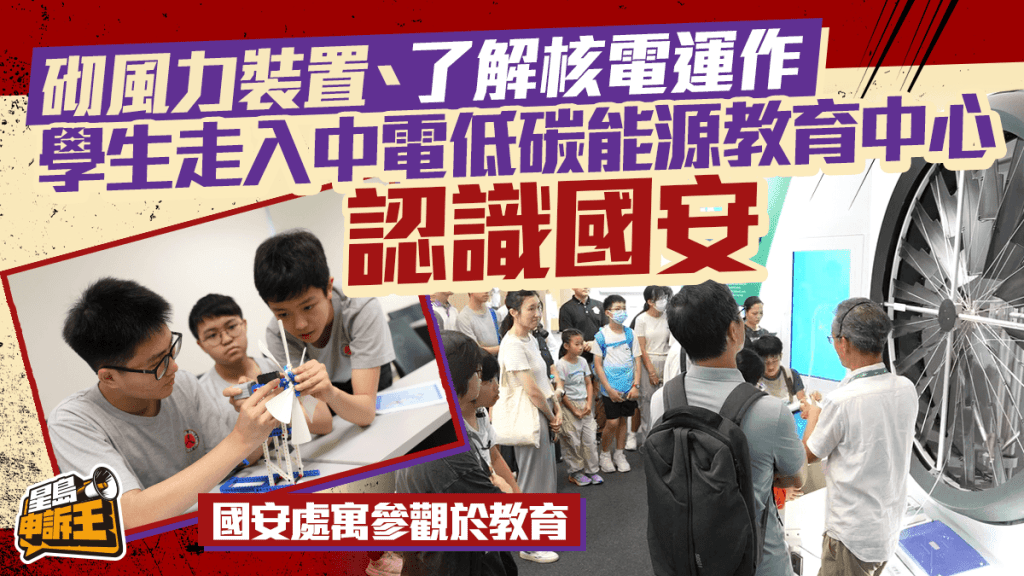
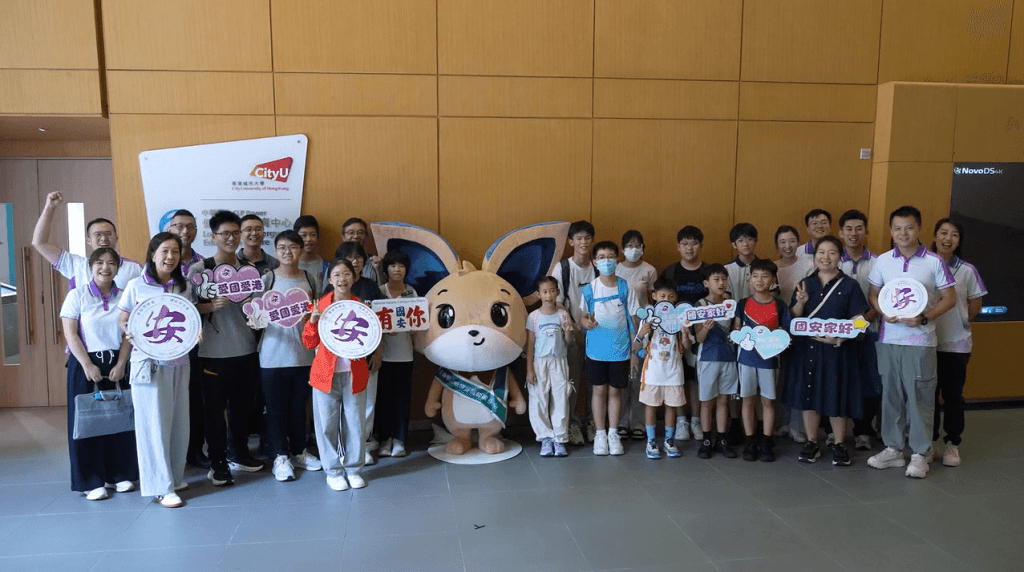
As part of a series of guided tours, the National Security Department of the Police Force arranged for the award-winning students of the NStudio Marketing Proposal Competition, as well as members of youth uniformed groups, to visit the CLP Power Low Carbon Energy Education Centre on July 22.
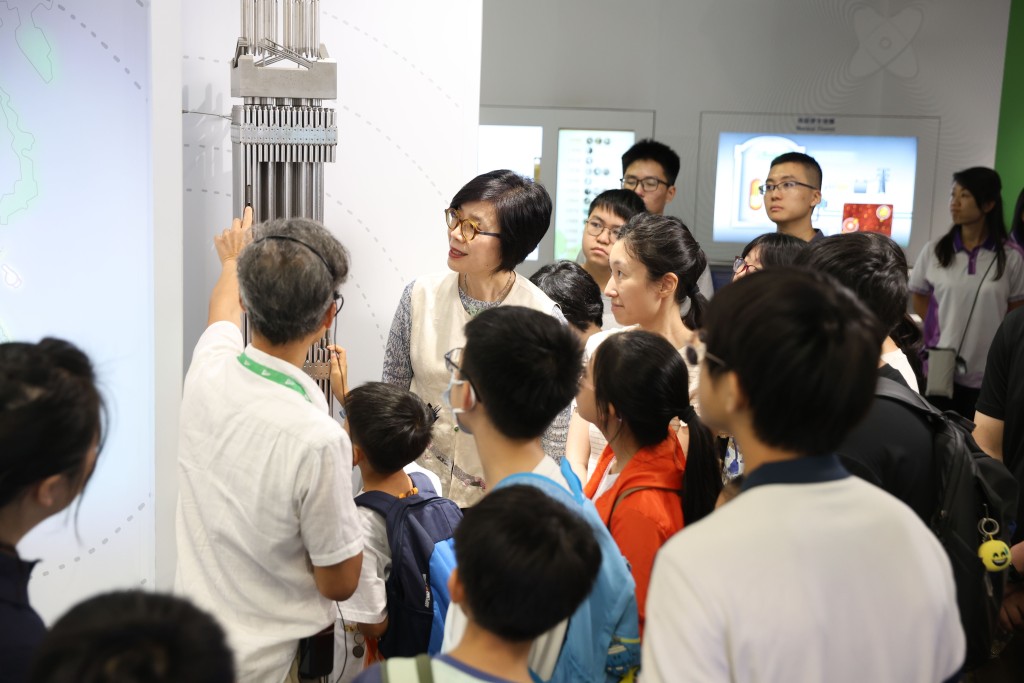
Students learned about energy science and technology firsthand, gaining an understanding of the design and safety measures of the Daya Bay Nuclear Power Station, and grasping the connection between resource security and wider national security.
Held in City University’s Lau Ming Wai Academic Building, the visit brought together around 20 participants, including primary and secondary school students, members of youth uniformed groups, and parents.
The education centre features five main exhibition areas: climate change; renewable energy — namely solar, wind, and hydropower; waste-to-energy; natural gas; and the safety mechanisms and future development plans of the Daya Bay Nuclear Power Station.
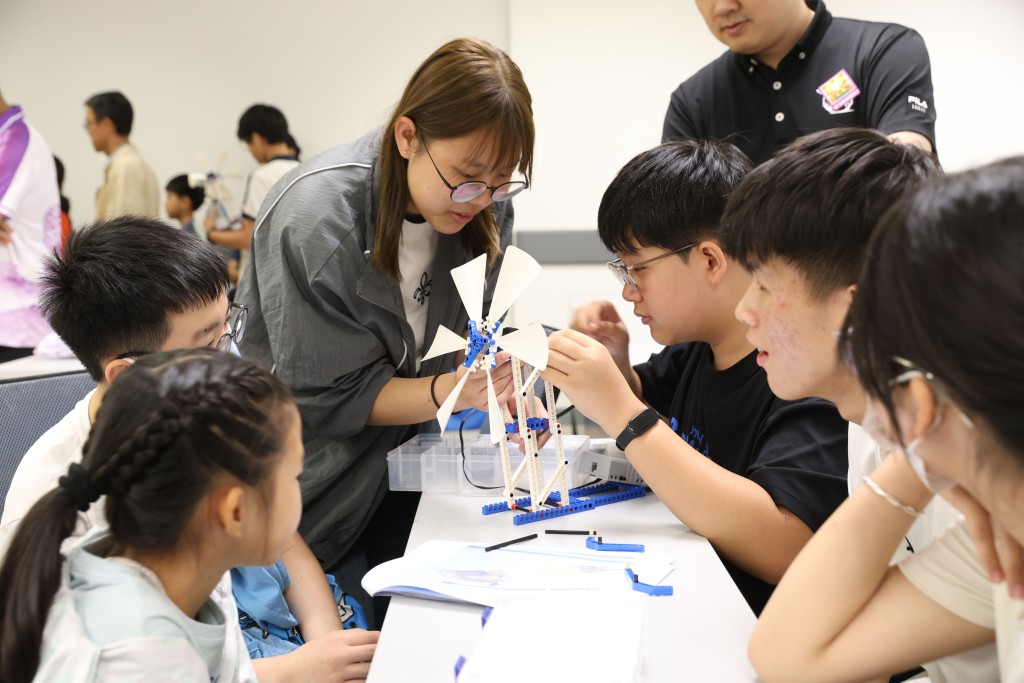
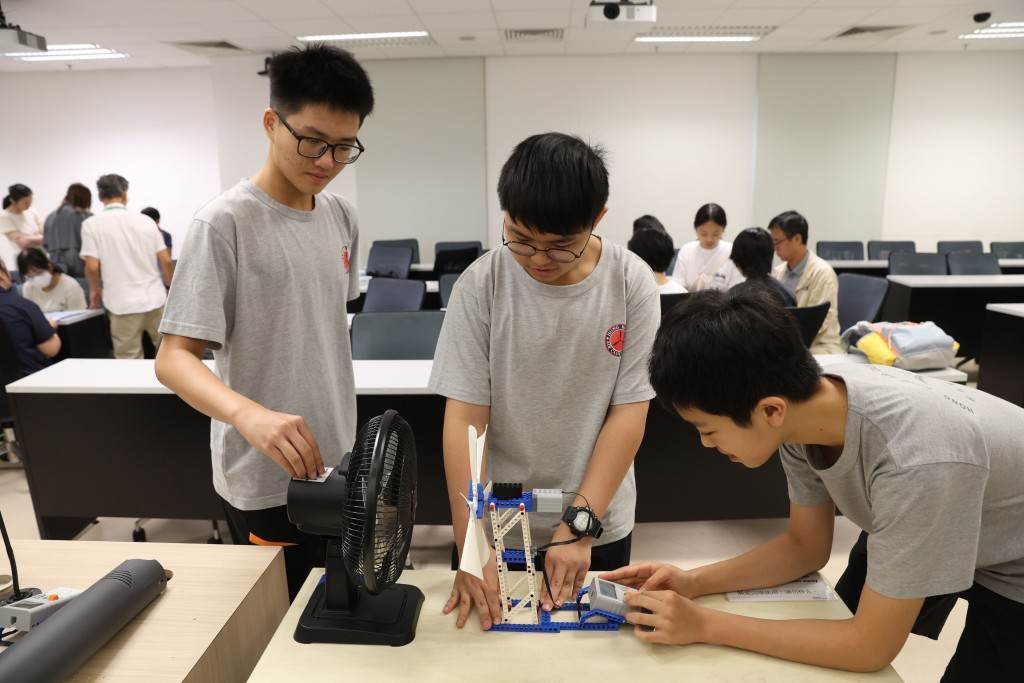
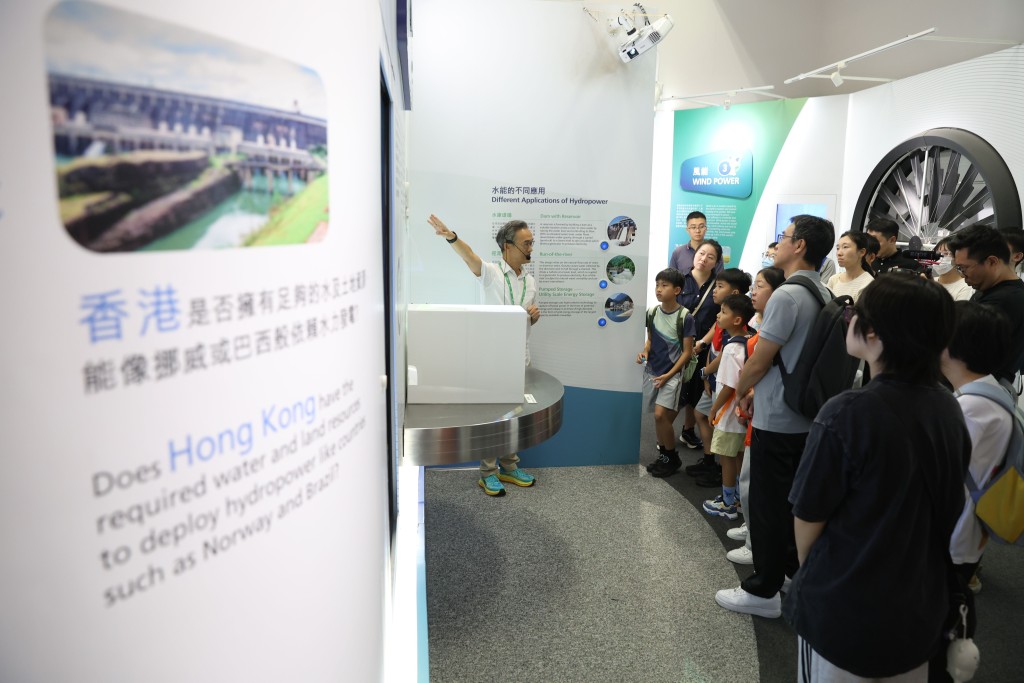
Beyond following the guided tour closely, students also took part in a LEGO workshop, where they assembled small wind turbines. Through this hands-on activity, they came to understand how electricity is generated and the role green energy plays in safeguarding the nation’s resource security.
Primary Two student Chim shared that she worked with a group of visually impaired students from the Ebenezer School to build a turbine. The experience deepened her understanding of wind power and the importance of reducing carbon emissions to protect the environment.
Members of youth uniformed groups found the visit equally rewarding. Hong Kong Air Cadet Corps member Kan noted that Hongkongers rely on a variety of energy sources every day: charging phones, using rice cookers, driving and so on. Without resource security, he said. everyone’s livelihoods would be significantly affected.
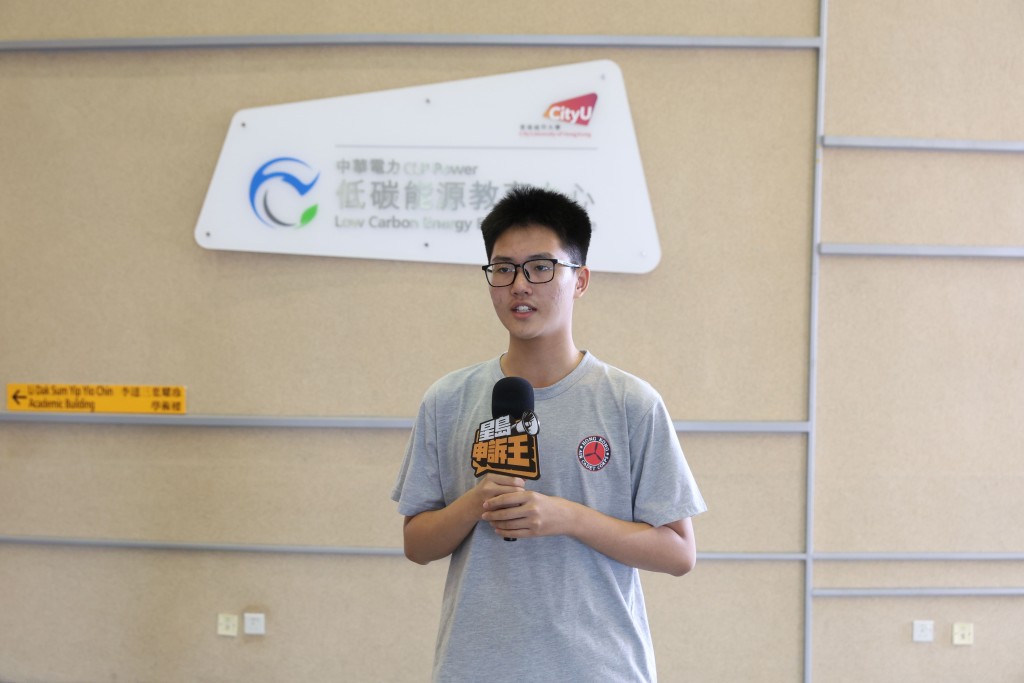
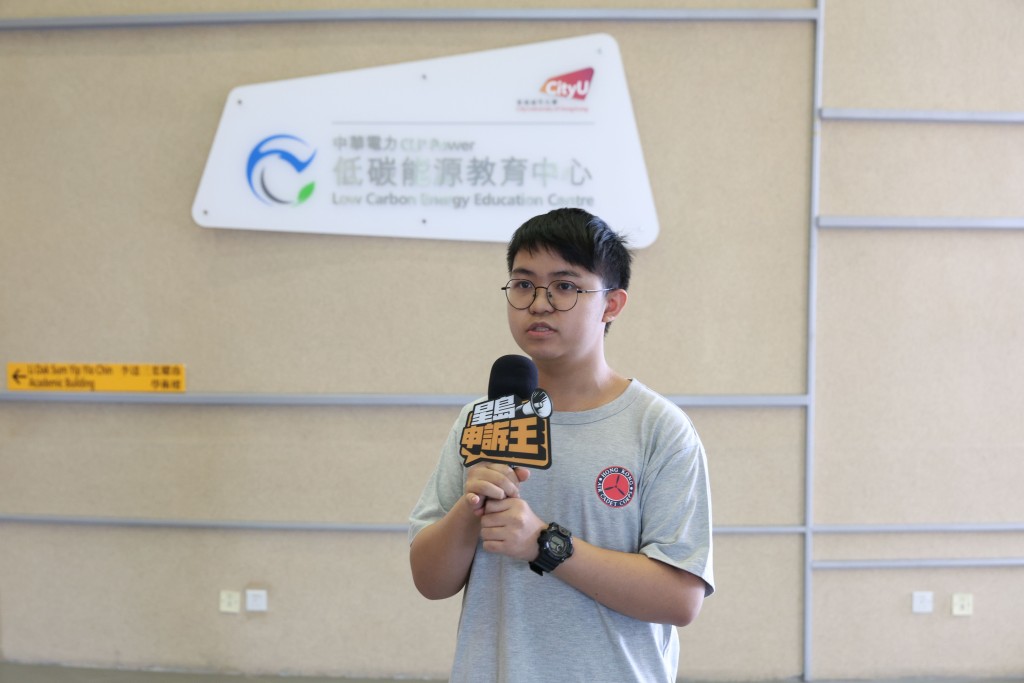
Another member, Tsui, said he was struck by the effectiveness of nuclear energy. He learnt that decentralising nuclear energy sources helps ensure resource security, preventing widespread disruption if any single major source were to fail.
CLP Power Chief Corporate Development Officer Quince Chong Wai-yan, also a judge for the NStudio Marketing Proposal Competition, noted that five of the 20 major fields in the “Holistic Approach to National Security” were closely related to the electric power industry: resource, ecological, data, cyber, and nuclear security.
She expressed hope that the exhibits and activities would help students appreciate the importance of nuclear safety measures and understand the role electric power companies play in maintaining a reliable energy supply.
Chong further highlighted the Daya Bay Nuclear Power Station’s strong safety record — among the best internationally — over more than 30 years of operation. CLP Power, she added, hopes to continue its educational efforts, raising public awareness of holistic national security.