Read More
The story of Noah's Ark, which comes from the Book of Genesis in the Bible, is considered by some to be historical, while others view it as a story. In recent years, expedition teams and archaeologists have discovered suspected Noah's Ark ruins on a Turkish mountain, making the eternal mystery even more intriguing. To further explore the truth, researchers from around the world have carried out cross-disciplinary cooperation.
ADVERTISEMENT
SCROLL TO CONTINUE WITH CONTENT
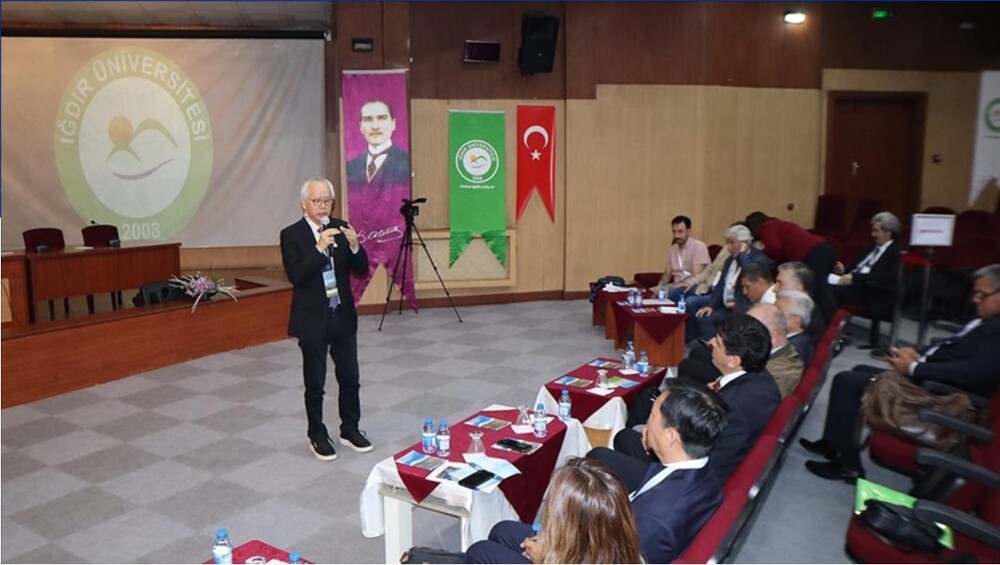
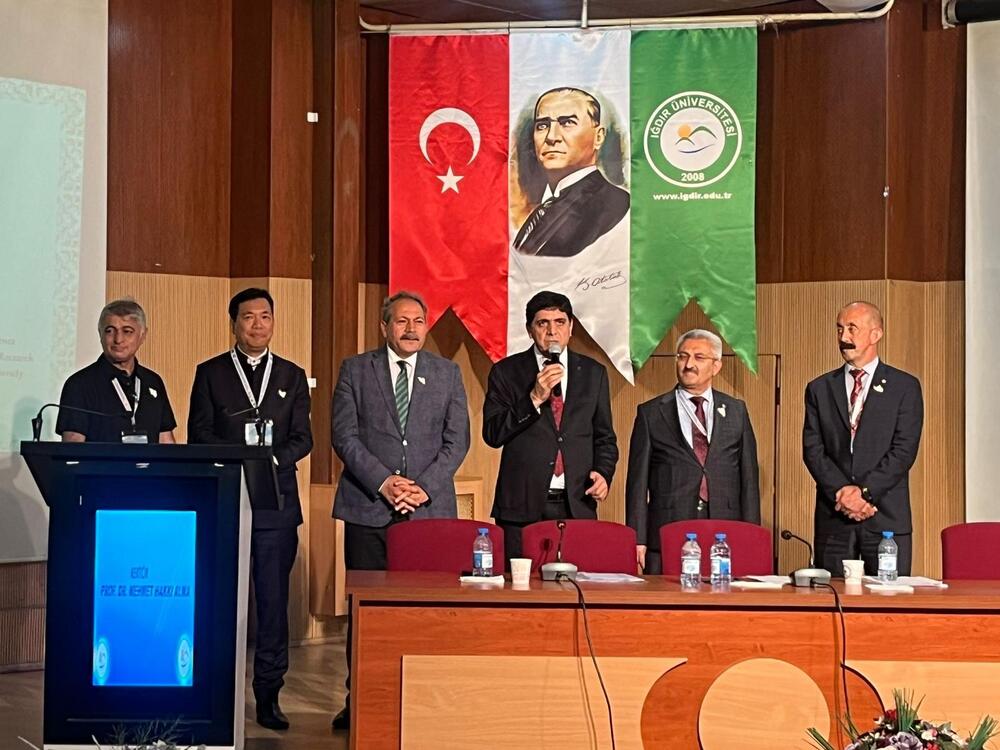
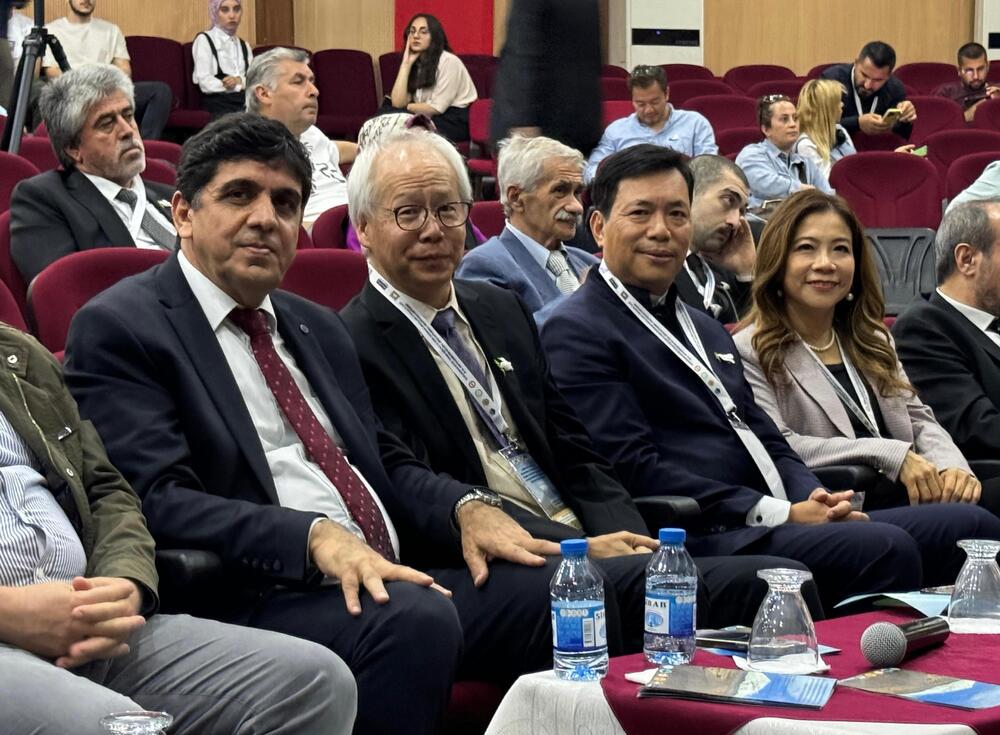
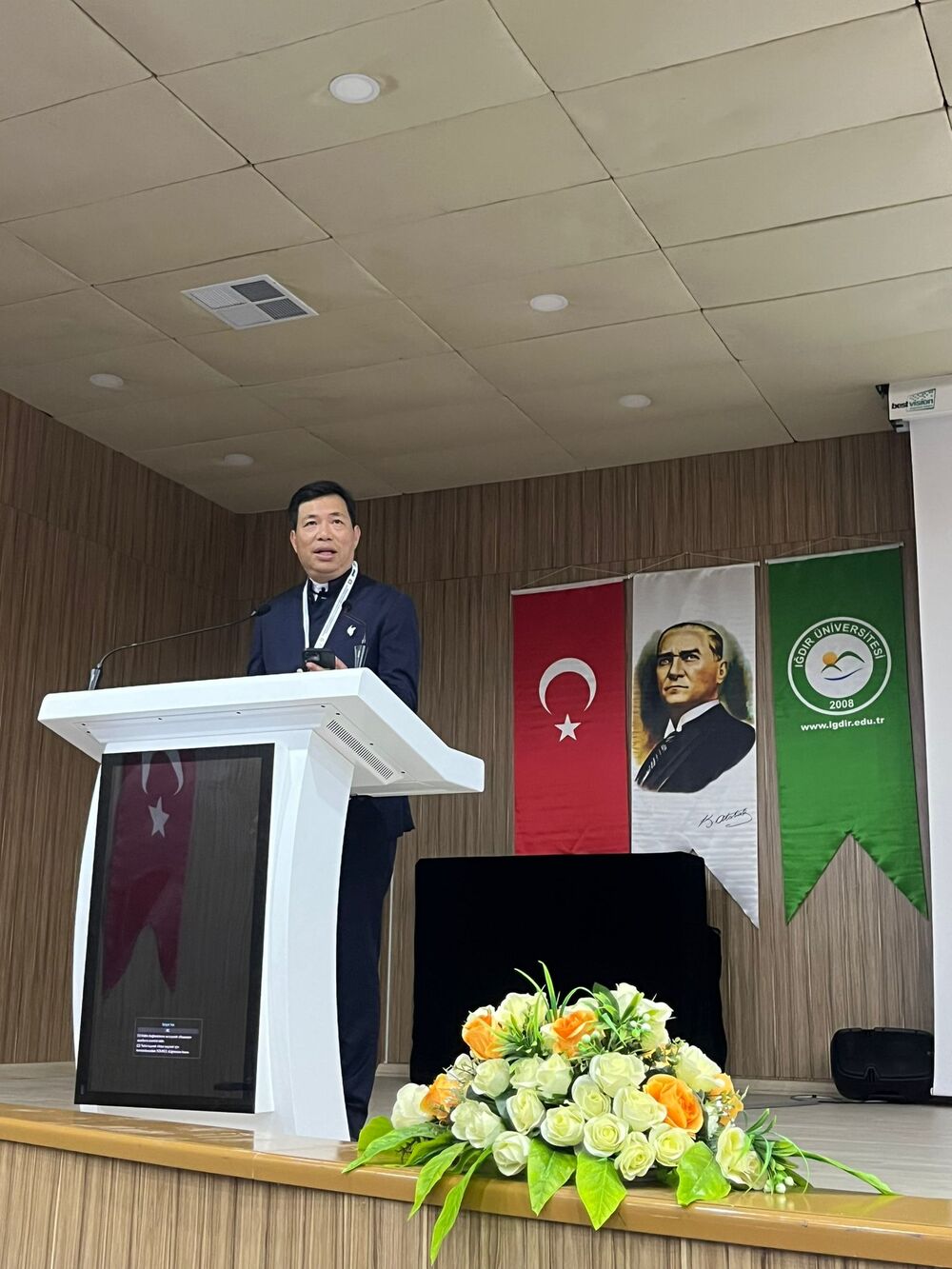
Recently, an international conference on archaeological research was held at Igdir University in Turkey to share the latest research results on Noah's Ark and the Great Flood, and to establish the "Mount Ararat Research Centre” (The Centre), which, based on science, aims to reveal the mysteries of ancient civilizations.
The two-day "International Conference On Archaeological-Ethnographic Traces Of The Great Flood In Mount Ararat And Igdir Plain And The Research Of Noah' S Ark Within The Scope Of Cultural Heritage" was co-organized by the Noah’s Ark International Scientific Search & Artefacts Conservation Foundation (The Foundation), Igdir University, and The General Directorate of Mineral Research & Exploration (MTA). More than 20 experts from various fields, including archaeology, geology, anthropology, botany, palaeontology, and volcanology, were invited from Ataturk University, Izmir University, Kafkas University, and the Anatolian Civilizations Museum.
Scholars Gather to Share Research Results
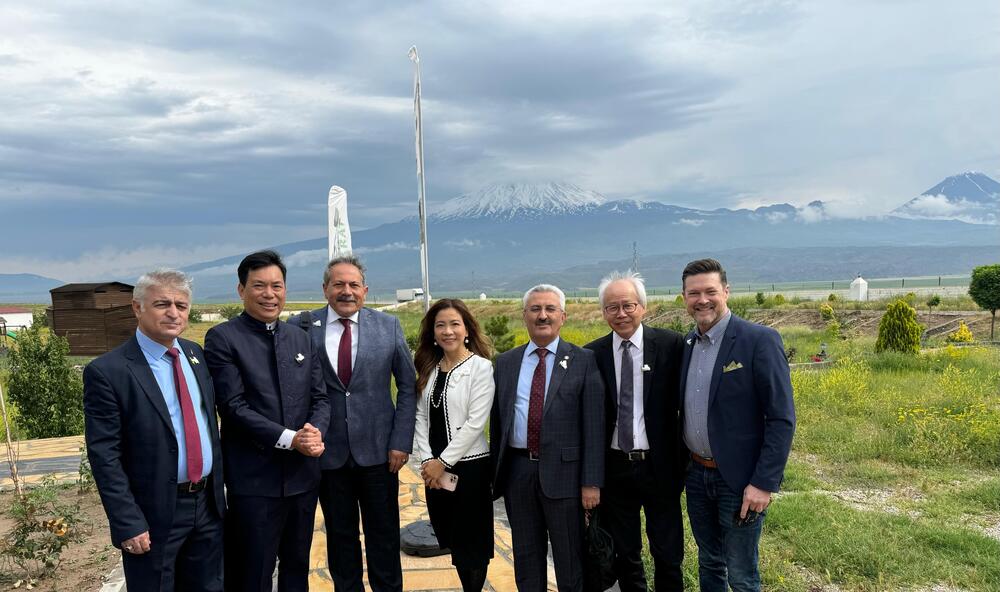
According to records, the snowy ridge of Mount Ararat in Turkey was the final resting place of Noah's Ark. In May this year, the foundation, MTA, and several universities and museums formed a scientific research team to launch investigations on Mount Ararat, the Great Flood, and Noah's Ark, using aerial photography for mapping and planning, and collecting samples for analysis.
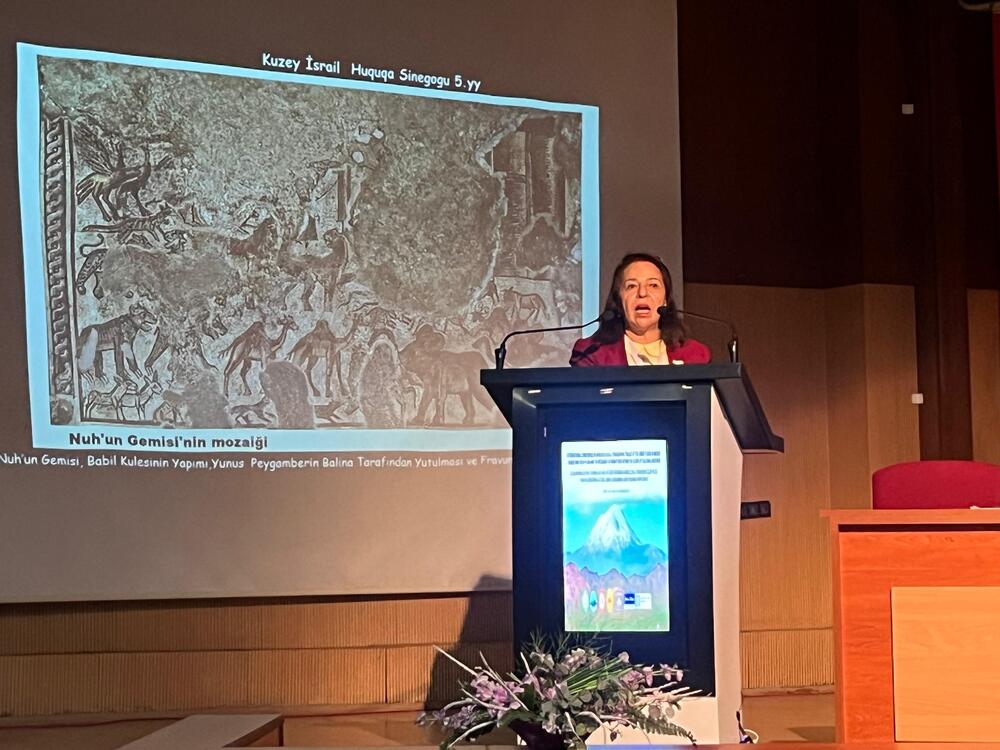
The team disclosed the latest research results at this meeting. Mr. Korhan ÇAKIR, Museum Director of the MTA and a geological engineer, shared the mysterious landforms and ruins of the Snow Ridge, including a 4-meter-high and 8-meter-long giant rhinoceros fossil. Dr. Irakli Anachabadze, an associate professor at the European University of Tbilisi, Georgia, detailed his expedition experience in the mountains last year. American archaeologist Ted Wright discussed how humans dispersed to various places after the Flood and provided new archaeological evidence.
Research Centre Preserving Historical Relics
At the conference, the foundation announced the establishment of the "Mount Ararat Research Center” in cooperation with Igdir University, which will soon launch a large-scale archaeological and geological research project. Mr. Andrew Yuen, chairman of Noah's Ark Ministries International, said: "The establishment of the centre will help reveal the true existence of the Ark. I hope the authorities will list Mount Ararat as a cultural heritage to attract the attention of tourists and the educational community."
The research centre will explore ancient history from an interdisciplinary perspective and establish the "Noah's Ark National Geopark" to protect precious relics. Mr. Wing-Cheung Yeung, director of the foundation, emphasized that media publicity and educating the public are equally important. In the future, the centre will work closely with the Turkish government and universities to ensure the transparency and accuracy of research, in order to discover more truths about Noah's Ark and the Great Flood, and jointly explore and protect human heritage.
+1