Japan's Environment Ministry says about 75 percent of waste from decontamination work following the 2011 Fukushima nuclear plant accident has been transported to intermediate storage facilities, NHK reports.
The decontamination process in Fukushima prefecture is expected to produce about 14-million cubic meters of waste such as soil, grass and plants. This excludes areas around the crippled Fukushima Daiichi nuclear power plant, which are in principle off-limits.
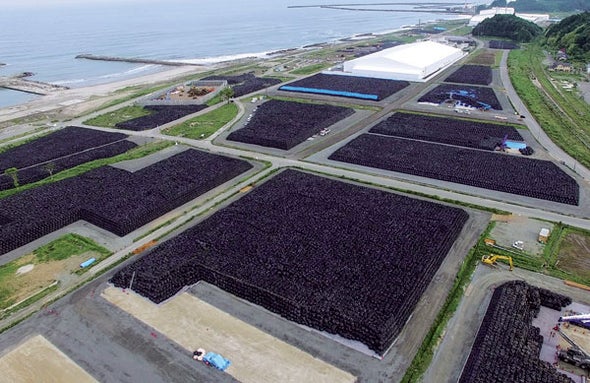
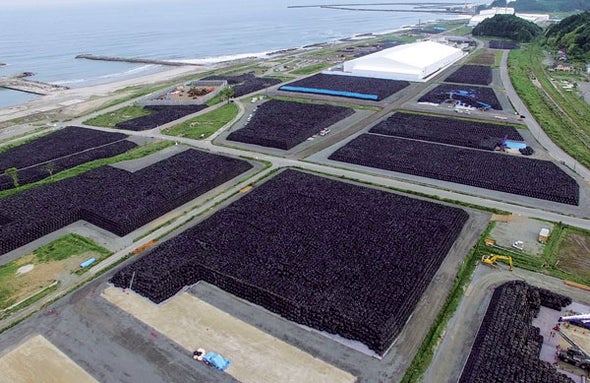
Officials say as of the end of February, about 10.48-million cubic meters have been transported from various areas in the prefecture to the intermediate storage facilities near the plant.
The process began in March 2015 and the ministry plans to almost complete transporting the remainder by March 2022.
By law, the waste is to be taken out of the prefecture for final disposal by 2045. However, hardly any discussions have been held on where or how this disposal is to be done.
The ministry plans to recycle any soil that meets standards for public works projects. It hopes to hold discussions across the country from fiscal 2021 and explain the need to reuse the soil.-Photos: AP
Vast numbers of bags filled with deadly, contaminated nuclear waste will sit on temporary storage plots in Japan.
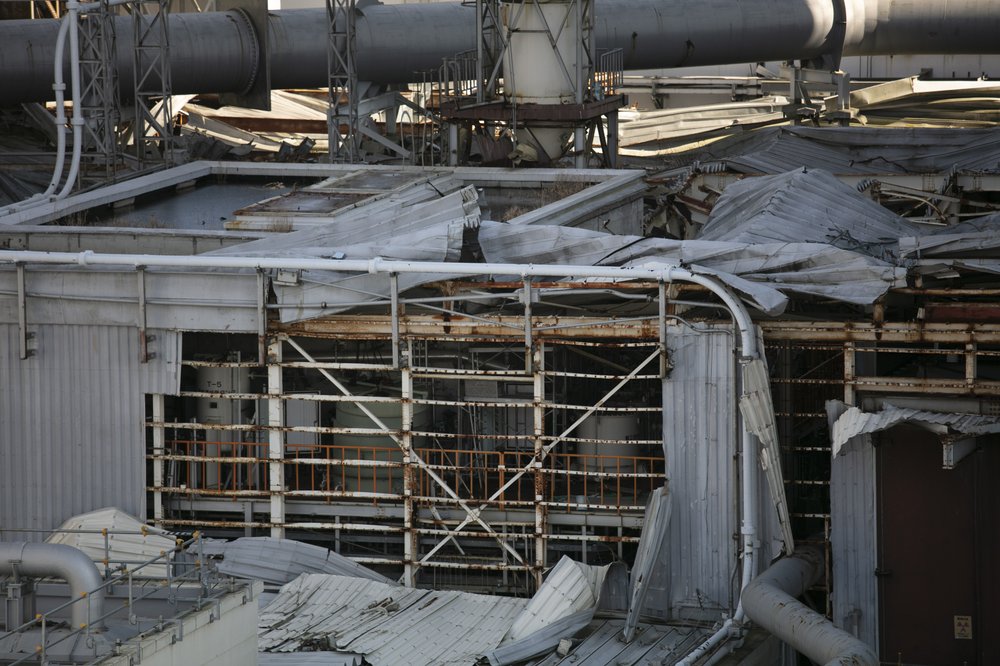
In this February 12, 2020, photo, the Unit 1 reactor building, damaged by the 2011 earthquake and tsunami, is seen at the Fukushima Dai-ichi nuclear power plant in Okuma, Fukushima Prefecture, Japan. Nine years ago, on March 11, 2011, a magnitude 9.0 quake and tsunami destroyed key cooling functions at the plant, causing a meltdown that leaked a massive amount of radiation and forcing some 160,000 residents to evacuate. About 40,000 of them still haven't returned.
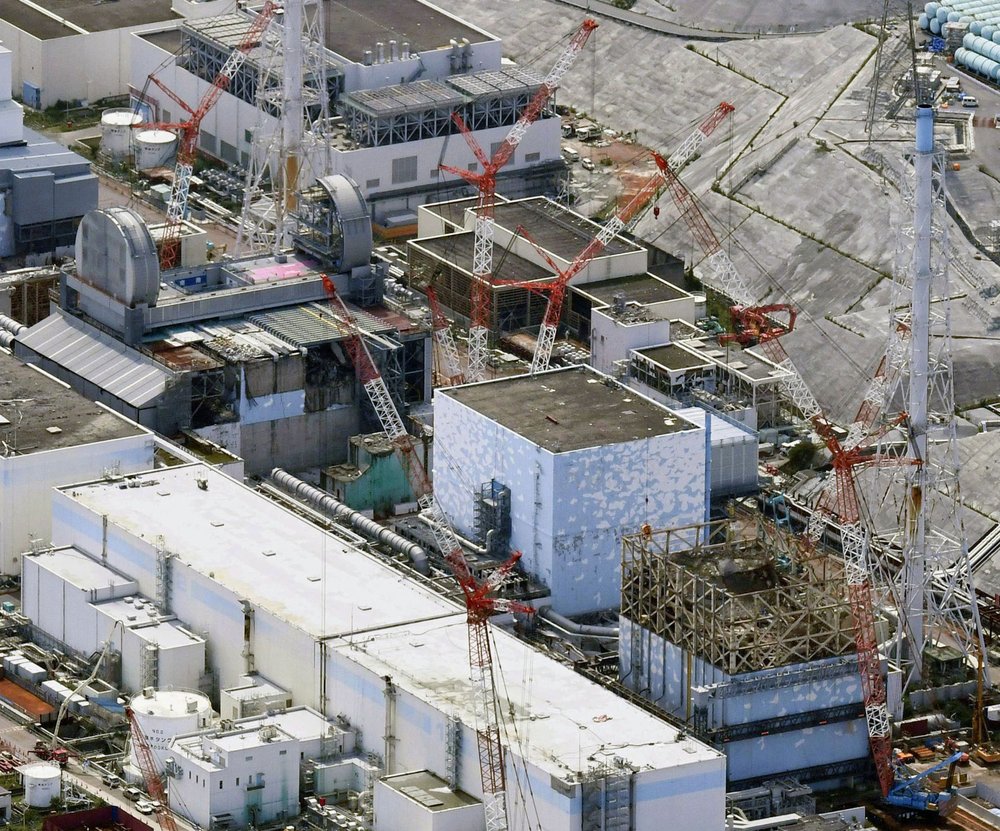
This September 4, 2017, aerial file photo shows Fukushima Dai-ichi nuclear power plant reactors, from bottom at right, Unit 1, Unit 2 and Unit 3, in Okuma town, Fukushima prefecture, northeastern Japan.