Bonnie Chen
As nations across the world crack down on greenhouse gas emissions in the race toward a net zero future, the demand for carbon offsets from manufacturers and shippers is on the rise.
The European Union, for instance, now imposes a carbon tax on certain imports that is equal to the tax imposed on domestic goods under its emission trading system.
Tougher measures such as these are spurring demand for carbon credit generation schemes, such as planting trees and protecting forests.
Now, several Asian countries are moving past traditional tree-planting with novel carbon credit initiatives that help people earn a living while protecting the planet.
Once such example can be seen in Indonesia's Katingan Mentaya Project, or KMP.
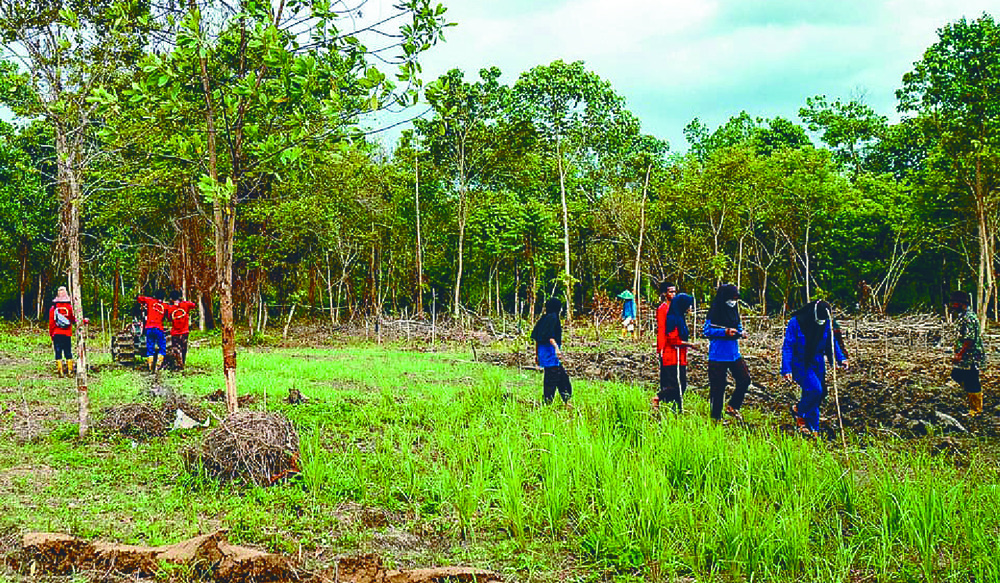
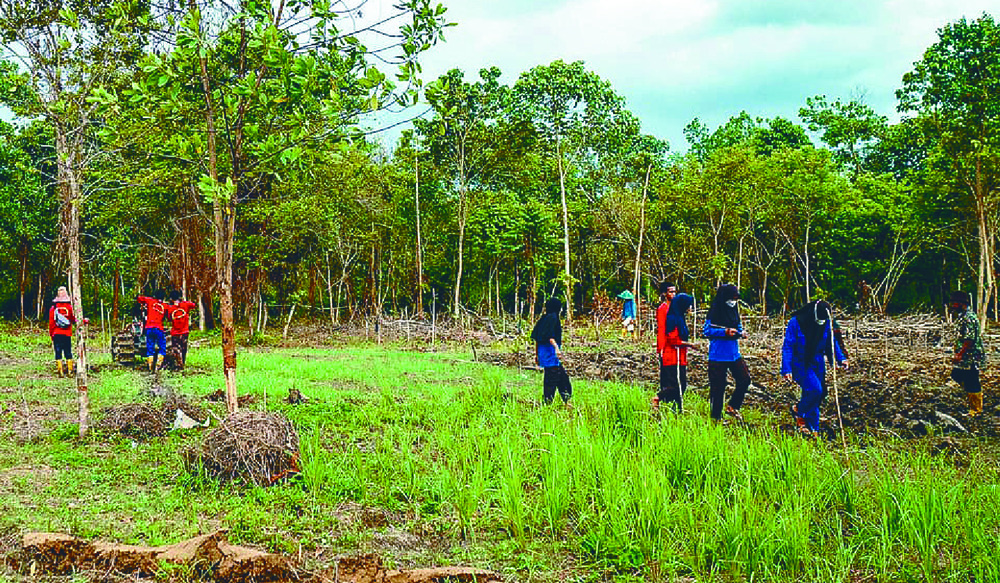
Located in Central Kalimantan, the KMP is one of the largest remaining peat swamp forests in Indonesia.
The initiative, which focuses on preserving and restoring the peat forest and its biodiversity, is managed by Indonesia-based PT Rimba Makmur Utama and Permian Global.
Twice the size of Singapore, the forest covers an area of 150,000 hectares and generates an average of 7.5 million verified carbon units or carbon credits per year.
The KMP is a rare carbon credit initiative and one of the largest of its kind, says Heng Dean Law, the managing director of Pollination, a Singapore-based climate investment and advisory firm.
It is able to generate a huge number of carbon credits because it is both a peatland and a forest, he points out.
Peatland covers only 3 percent of the Earth's land but stores 30 percent of its soil carbon, while forests are known for their capacity to absorb carbon dioxide.
The KMP's soil holds more than 90 percent of its carbon reserves.
The project has succeeded by offering alternative livelihoods to locals in neighboring villages, protecting endangered species and ecosystems and preventing greenhouse gas emissions, says Law.
While traditional green initiatives tend to be extractive - squeezing as much as one can out of a place - the KMP shows there's an alternative way to monetize nature, he says.
Similar initiatives can be found in Malaysia, Indonesia, the Philippines, Thailand, Vietnam and Laos, Law says.
And though projects such as the KMP are more challenging, they can make a difference.
"We should ensure that livelihoods are protected, so this is a different way of doing business with nature versus what we have done in the past," he explains.
Another example is the Delta Blue Carbon mangrove restoration project in Pakistan.
Blue carbon refers to carbon stored in oceans and coastal ecosystems, and Singapore's carbon exchange Climate Impact X has auctioned credits from this project.
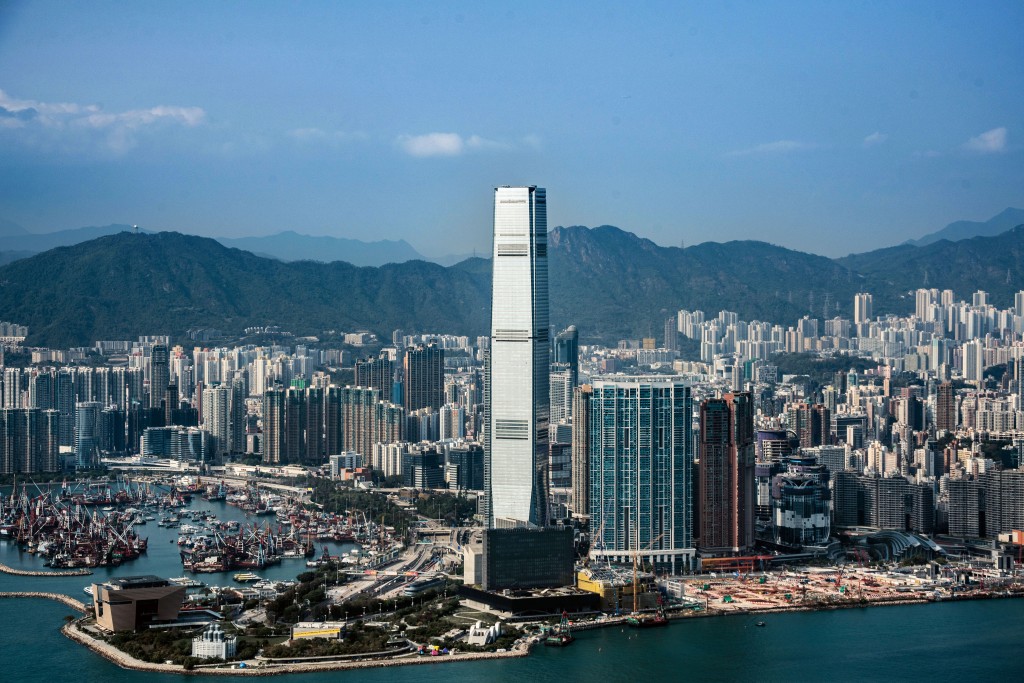
While Singapore can't undertake such initiatives, it has been promoting and developing these projects in other countries.
Pollination is currently developing a huge green hydrogen/ammonia export project in Western Australia called the East Kimberley Clean Energy project which three Aboriginal groups hold a 75 percent stake.
Meanwhile, Dean Cher, head of mobility at the SP Group, says Singapore welcomes Chinese electric cars on its roads, as diesel cars and taxis will no longer be registered in the city from next year as part of its emission targets.
Carbon credit generated from a peat forest in Indonesia.
Heng Dean Law
Dean Cher