Northern Metropolis land resumption proceeds according to law as attempts to stoke conflict for personal gain lose public sympathy


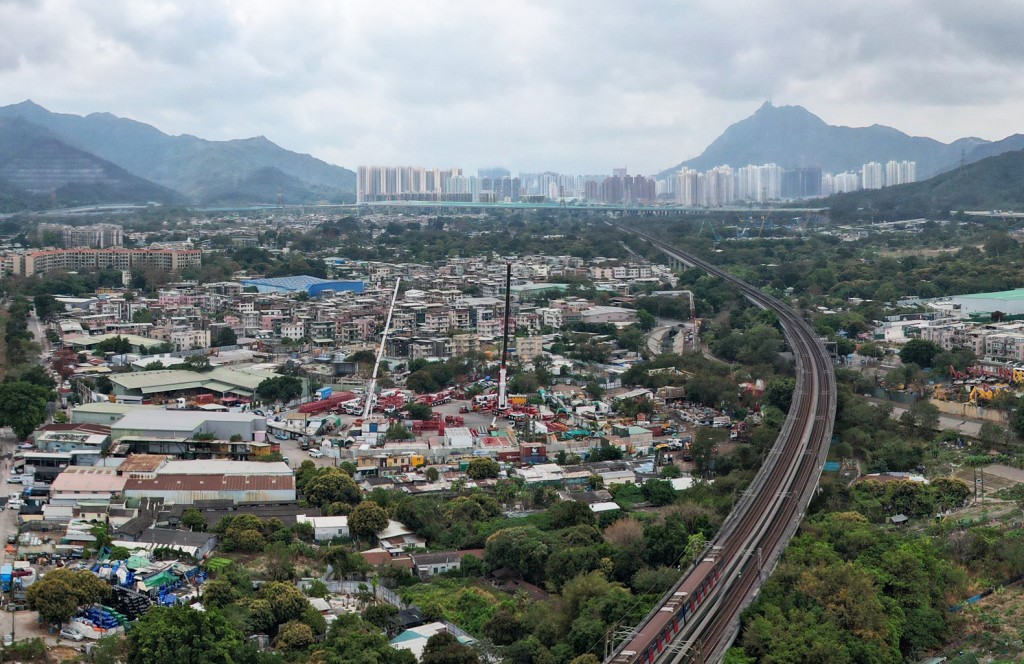

The land resumption process for the second phase of the Hung Shui Kiu/Ha Tsuen New Development Area is advancing as a critical step in realizing the Northern Metropolis plan and enhancing Hong Kong's long-term competitiveness.
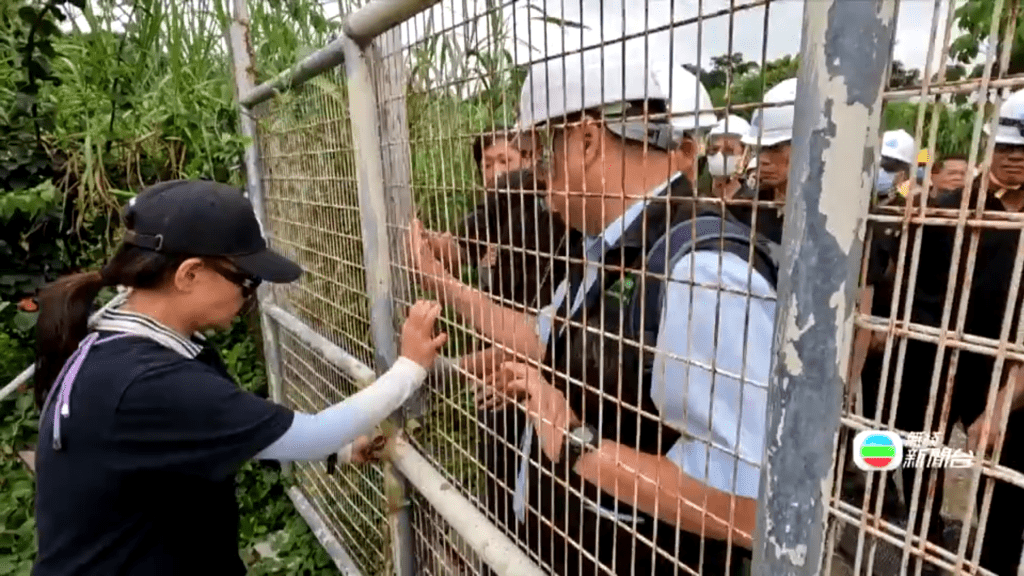
Despite years of government communication and transparent compensation mechanisms, a three-hour standoff recently erupted as villagers attempted to block authorities during a scheduled clearance operation at Tin Sam Village.
According to informed sources, the incident highlights attempts by certain individuals to politicize and emotionalize the lawful land resumption process.
By manufacturing scenes of conflict between citizens and the government, these parties allegedly aimed to exert pressure and extract extra compensation that exceeds established policy frameworks.
However, with the public's growing awareness of the rule of law, citizens are increasingly able to identify and reject tactics that prioritize private interests over the public good, recognizing that using standoffs as bargaining chips violates the spirit of the law.
In response to the controversy, the government has repeatedly clarified the policy basis and timeline. Officials emphasized that the procedures are entirely legal, the compensation mechanism is transparent, and residents were given ample time to prepare for relocation.
Secretary for Development Bernadette Linn Hon-ho reiterated that to maintain overall social fairness and policy credibility, authorities must firmly uphold legal and institutional boundaries, ensuring the rational use of public resources while driving the steady implementation of the Northern Metropolis development.
Following statutory procedures and established planning schedules, the Lands Department conducted land resumption operations last month at specific locations within Tin Sam Wai.
The operation involved approximately ten structures, including a Small House, as well as a cluster of old blue-brick houses and ancestral halls classified as illegal structures.
When Lands Department personnel, accompanied by developers and security teams, arrived to execute their duties, some villagers locked the iron gates and confronted the officers.
The standoff lasted for over three hours and involved several heated arguments before law enforcement officers read the official enforcement declaration and proceeded with the clearance operations.
Records show the government had notified the relevant individuals well in advance regarding expected eviction deadlines and resettlement arrangements.
Official notices were posted in the affected areas three months prior to the deadline.
The Lands Department and its appointed community liaison service teams had also maintained continuous communication with affected households to provide the latest information and policy explanations.
Despite the comprehensive support arrangements, clashes still occurred. Sources revealed that upon learning of the land resumption plan, some residents attempted to enlist the help of anti-government activists to amplify the incident's impact.
However, recognizing that such confrontational behavior is no longer tolerated by the public or the law in the current social climate, these activists declined direct involvement.
Instead, they reportedly advised residents to contact the media to generate one-sided coverage and public pressure, ultimately aiming to force the government into making unprecedented concessions for their maximum personal benefit.
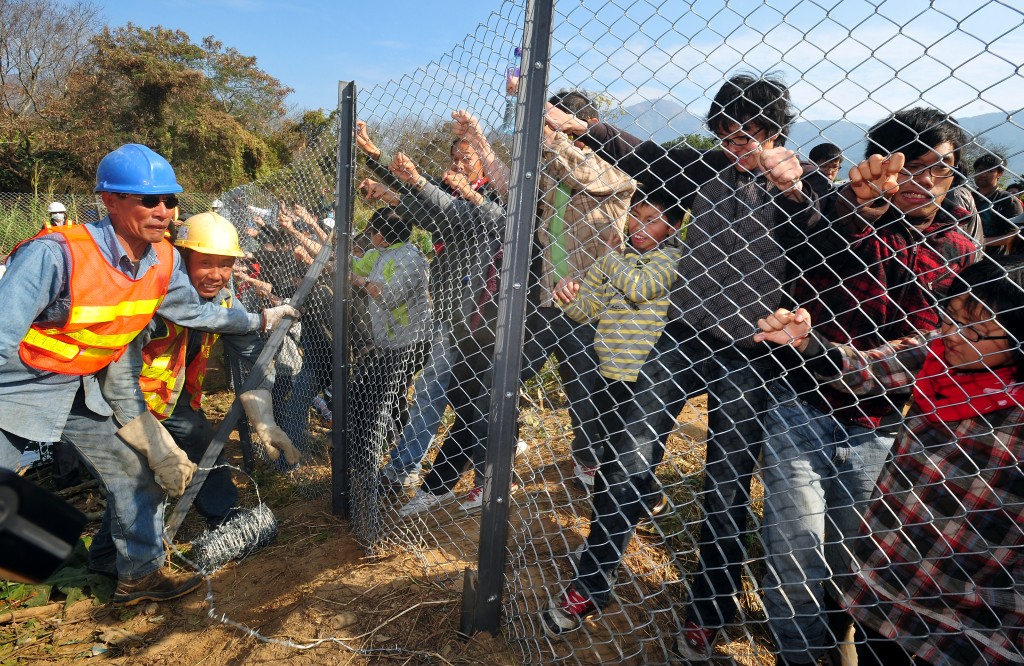
A political figure familiar with land resumption policies analyzed that these tactics closely resemble past incidents, such as the Choi Yuen Village dispute.
These methods typically involve holdouts, media sensationalism, and emotional narratives designed to distort lawful land resumption into an "official versus civilian" conflict. In the past, anti-government forces often used "conservation" as an excuse to indefinitely delay government development plans, politicizing individual projects.
This not only caused construction costs to skyrocket due to delays—a burden ultimately borne by the general public—but also severely weakened Hong Kong's social and economic competitiveness.
The political analyst noted that the public and media generally understand that those who intentionally hold out and create conflicts often do not meet the established criteria for resettlement and compensation.
Alternatively, they may be using the standoff as a bargaining chip to squeeze extra benefits from the government.
The analyst stressed that the Northern Metropolis is a vital strategic move to elevate Hong Kong's long-term competitiveness.
Failing to push forward now will only result in the city falling behind neighboring regions.
Acts that place personal gain above the public interest are unlikely to win public sympathy, but rather allow society to see the full picture more clearly and firmly support lawful governance.
Addressing the various disputes surrounding the incident, Secretary for Development Bernadette Linn Hon-ho provided a clear response.
She pointed out that authorities had notified affected households as early as late 2022, giving them ample time to prepare. Official eviction notices were then issued legally several months before the demolition.
She added that upon receiving requests from households for an extension on the relocation period, the authorities postponed the demolition works until recently.
She emphasized that the government had effectively granted residents a generous preparation period of more than three years.
Regarding resettlement, the government introduced a new system in 2018 allowing eligible squatter households to apply to rent or purchase "Dedicated Rehousing Estates" without a comprehensive means test.
Data reveals that among the more than 3,000 squatter households affected by the Northern Metropolis development projects, over half do not meet the eligibility requirements. The primary reasons are threefold: First, over half of the ineligible individuals moved into the squatter structures after the government's pre-clearance freezing survey, a threshold designed to prevent opportunists from rushing to build or move in for profit. Second, approximately 20 percent of the ineligible individuals already own private residential properties or public housing units. Third, about 20 percent reside in unauthorized squatter structures that were never registered.
Linn stressed that making policy compromises for any clearly ineligible group would create social injustice and negative repercussions, effectively encouraging illegal behavior.
As the government will need to resume hundreds of hectares of private land to advance future development, strictly adhering to institutional boundaries and fairness in land resumption arrangements is the only correct path to steadily realize the Northern Metropolis plan.
This approach, she concluded, demonstrates responsibility toward public resources and a strong commitment to Hong Kong's future.