Sing Tao Probe | Hong Kong marks fifth anniversary of National Security Law with comprehensive citywide exhibitions


As Hong Kong observes the fifth anniversary of the promulgation and implementation of the Hong Kong National Security Law, a series of educational exhibitions have been launched across the city to provide the public with extensive national security information.
Headlining this citywide initiative is the highly popular National Security Exhibition Gallery, located on the second floor of the Hong Kong Museum of History in Tsim Sha Tsui.
The city’s first dedicated educational base
The gallery stands as Hong Kong's first systematic exhibition space and physical education base dedicated entirely to national security. Since opening in August of last year, the venue has attracted over 850,000 visitors.
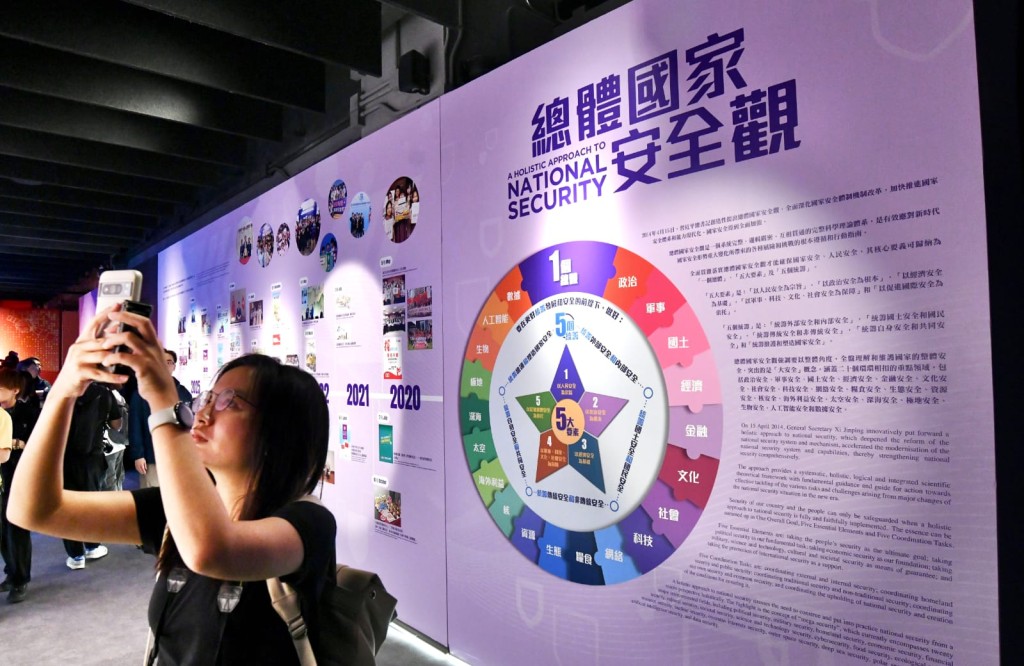
Spanning an area of more than 1,100 square meters, the exhibition is meticulously organized into six specific thematic zones.
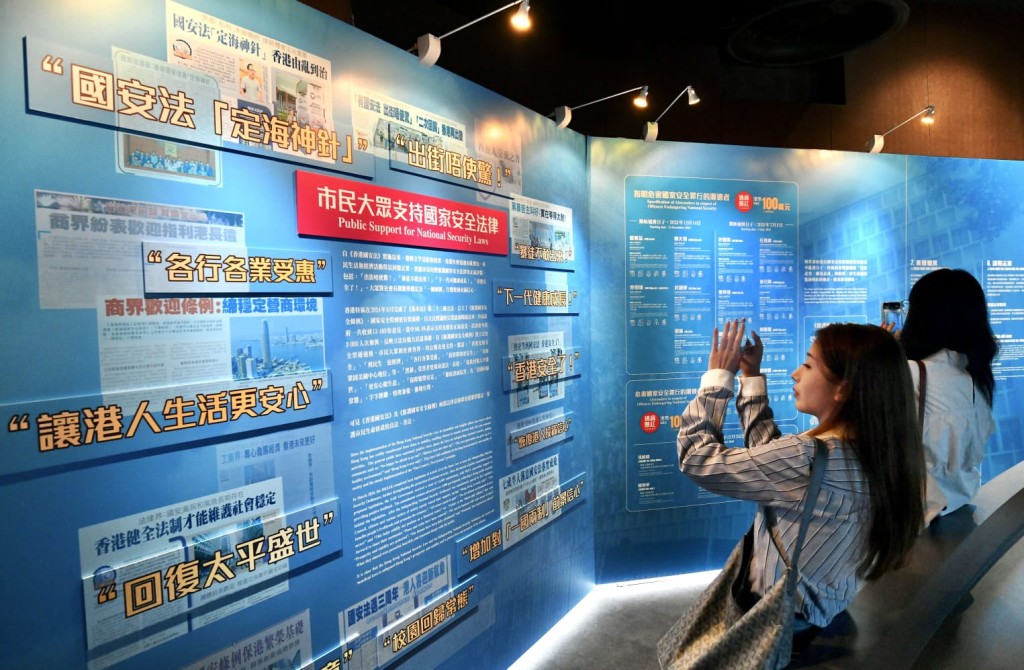
These areas are sequentially titled to cover broad concepts, starting with "National security brings security to Hong Kong, our families and the people" and "The Motherland and Hong Kong." The remaining sections focus on deeper integrations, titled "National Security is closely related to you and me," "National security legislation brings long-term stability," "National security is the foundation of prosperity and stability," and finally, "Join hands to safeguard national security."
Six highly recommended historical and technological exhibits
Due to the gallery's extensive content, the person-in-charge of the venue, Cheung Kin-kwong, highlighted six distinct exhibits that visitors should not miss.
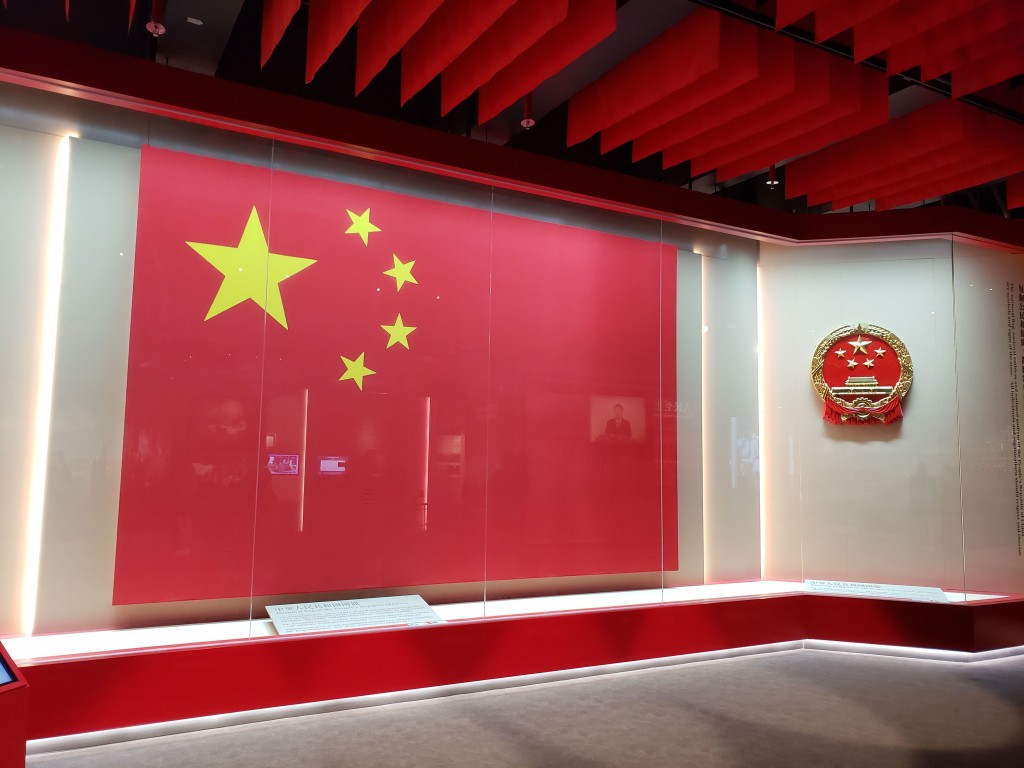
The first is an oversized national flag gifted by the Central Government, which holds significant historical value as it was flown in Beijing's Tiananmen Square on June 30, 2020, the exact night the Hong Kong National Security Law was implemented.
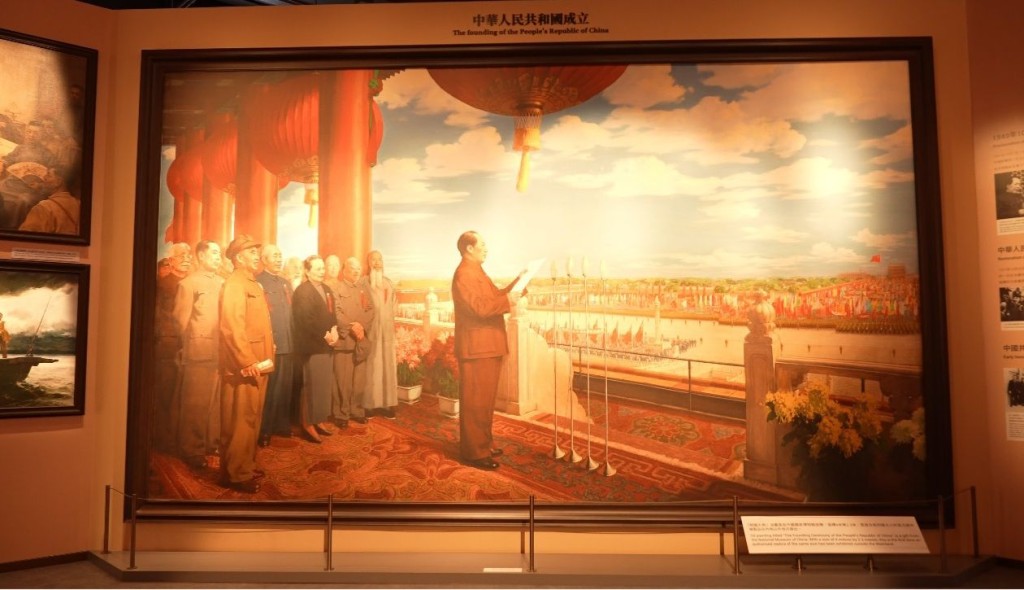
The second recommended item is a one-to-one scale, officially authorized replica of the iconic oil painting depicting the founding ceremony of the nation. This marks the first time a reproduction of this size has been exhibited outside of mainland provinces.
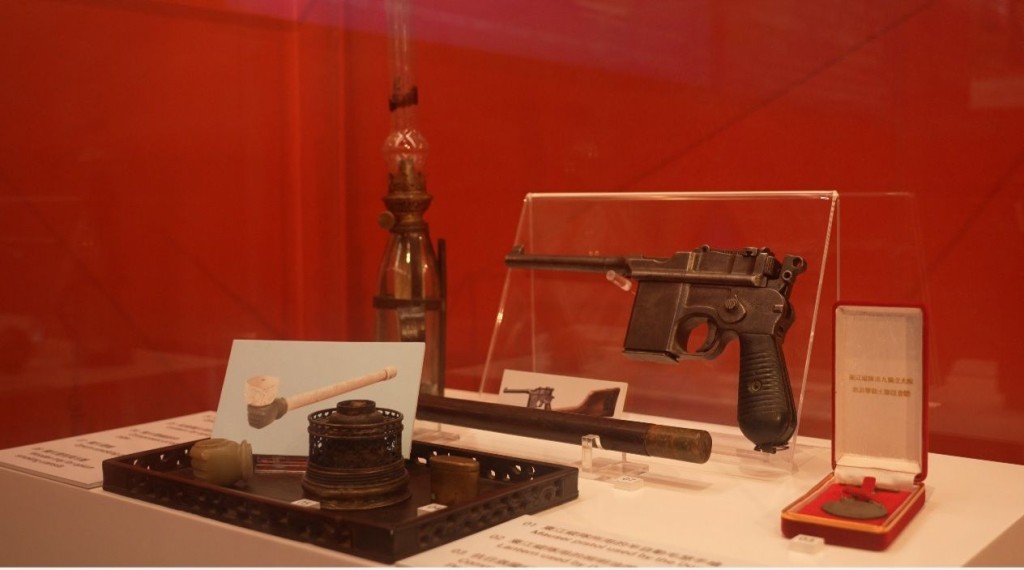
The third highlight is an exhibit titled the tale of two guns, which contrasts a Mauser pistol used to protect the nation with an opium pipe that caused widespread harm.
The pistol was utilized by the Hong Kong-Kowloon Independent Brigade of the East River Column during the anti-Japanese resistance, while the opium pipe represents the drug introduced from overseas during the late Ming and early Qing dynasties.
Cheung noted that detailing the history of these two items helps citizens better understand the realities of the anti-Japanese war.
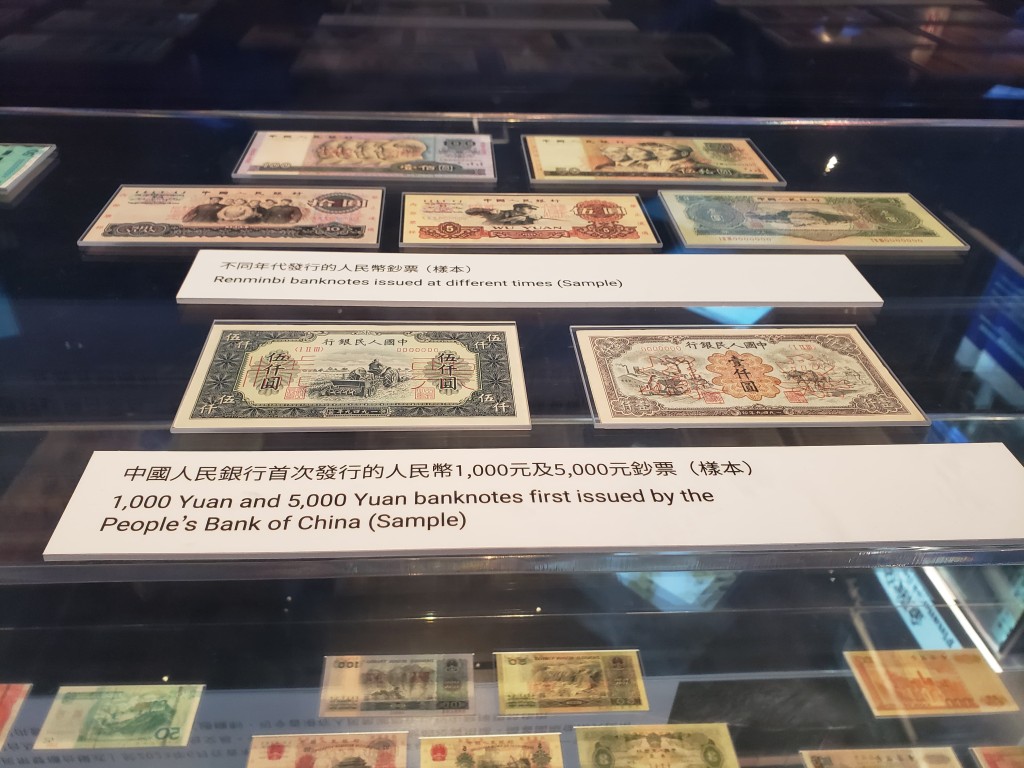
Financial history is showcased in the fourth exhibit, which features highly precious, first-issue large-denomination Chinese currency specimens provided by the People's Bank of China, specifically highlighting the 5,000-yuan and 1,000-yuan notes.
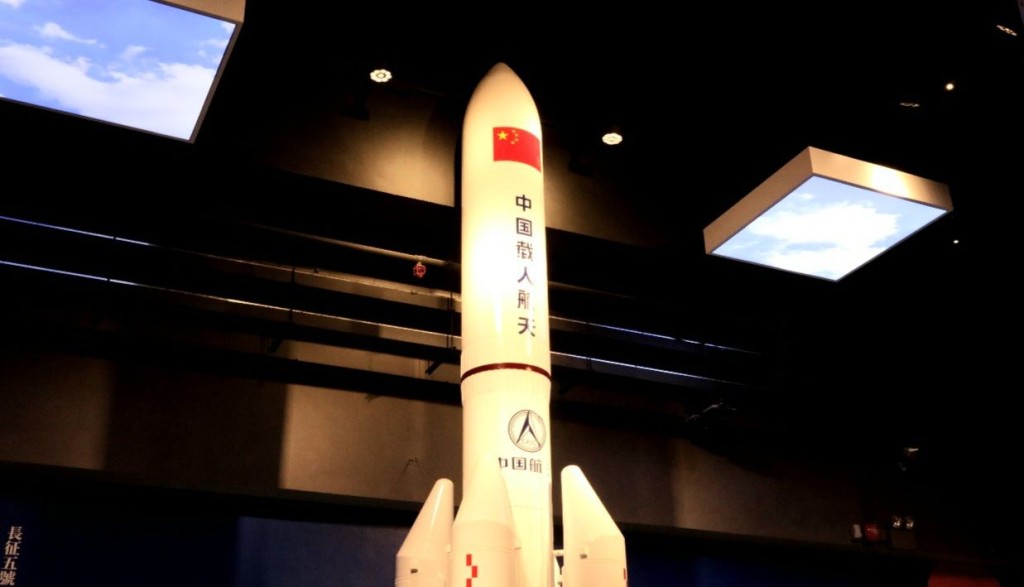
To demonstrate the nation's technological prowess, the fifth exhibit presents a 1:9 scale model of the Long March-5B carrier rocket. Standing at six meters tall, it is the highest, largest, and most magnificent rocket model ever displayed in Hong Kong.
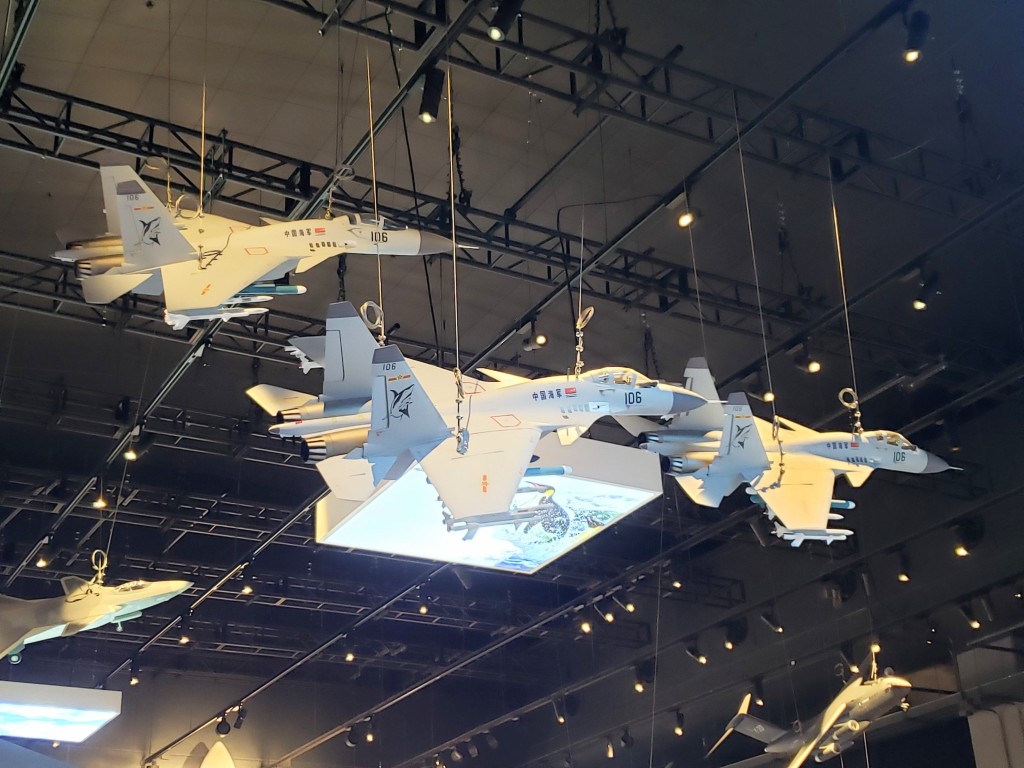
Finally, the sixth highlight encompasses a massive aerial display of advanced military aircraft models suspended throughout the gallery, prominently featuring J-15 and J-20 fighter jets alongside Z-10 attack helicopters.
Interactive tours and enthusiastic public reception
To provide visitors with a structured learning experience, the gallery offers guided tours in Mandarin, Cantonese, and English.
A volunteer guide named Terry noted that his duties allow him to deepen his own knowledge of the motherland and national security. He added that the role equips him to tailor his presentations for diverse audiences, allowing him to convey the importance of the subject matter with a profound sense of pride.
The exhibits have left a lasting impression on visitors of all backgrounds. Pang, a student from Lok Sin Tong Ku Chiu Man Secondary School, found the massive national flag to be the most memorable part of her visit, noting that it helped her better understand the intertwined history of the nation and Hong Kong.
Another student, Ng, was most struck by the six-meter-tall rocket model, which broadened his perspective on the macro scale of the nation's current technological development.
A local citizen, Lam, echoed this sentiment, stating that the rocket model left the deepest impression on her as she had never seen a real rocket before.
The exhibition's impact also extended to international visitors, with a Malaysian-Chinese tourist named Lam expressing immense happiness and pride in witnessing China's emergence as a powerful global nation following his tour.
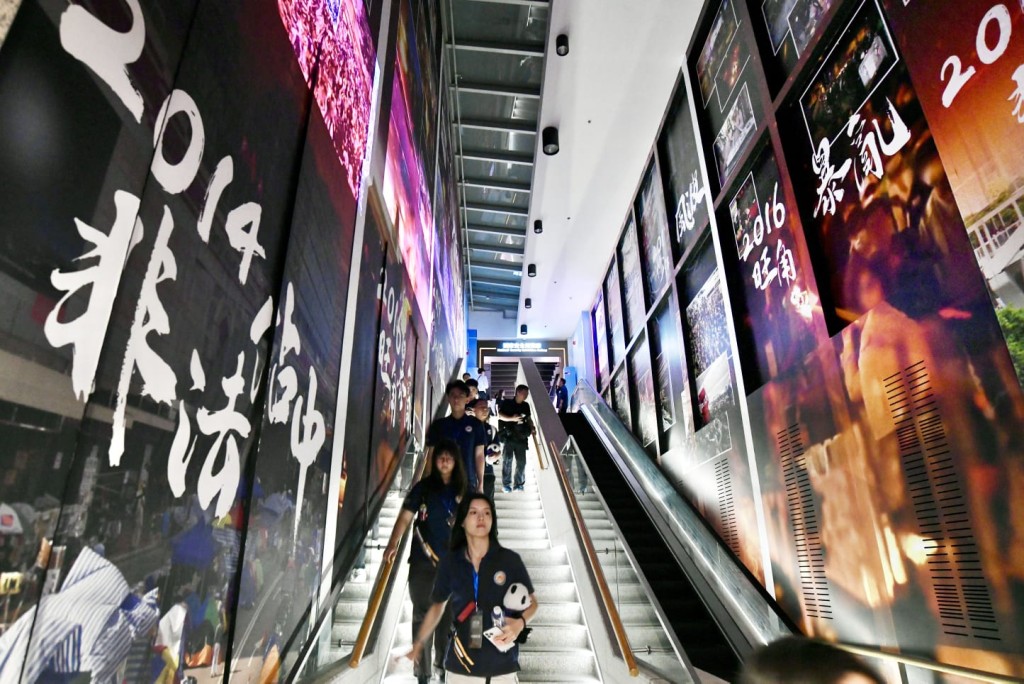
Adding to the gallery's depth, a special exhibition was launched on June 12 to illustrate Hong Kong's transition from chaos to order, and its subsequent journey toward prosperity following the implementation of the National Security Law.
This segment begins with a multimedia time tunnel utilizing photographs and lighting effects to chronicle major social events between 2014 and 2019, specifically highlighting incidents such as the Mong Kok riot and the extradition bill movement.
Expanding patriotic education initiatives citywide
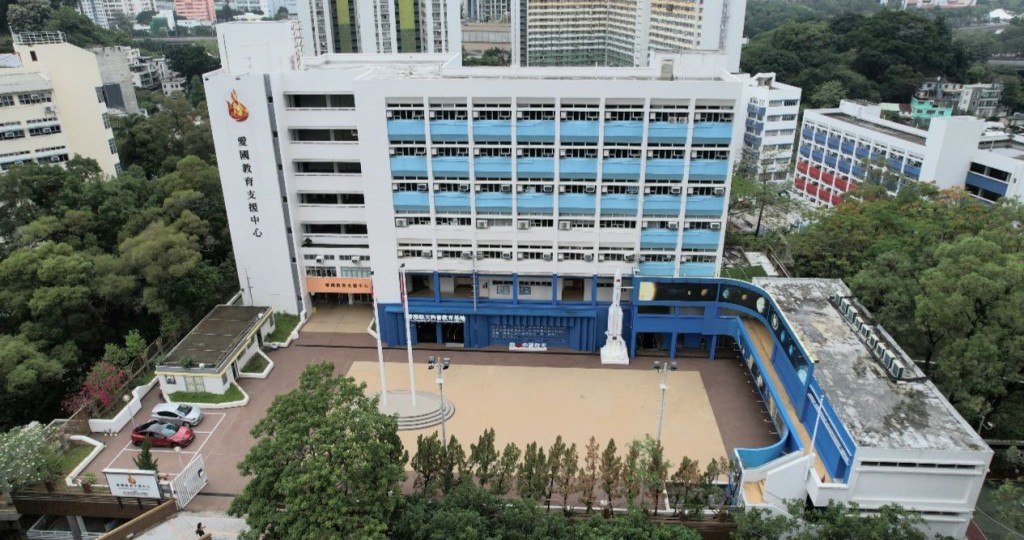
Beyond Tsim Sha Tsui, other institutions are actively promoting civic awareness. In Tai Wai, the Patriotic Education Centre, established by the Hong Kong Federation of Education Workers in 2022, serves as another critical hub.
Tang Fei, a lawmaker and the vice-chairman of the Federation, explained that the core objective of patriotic education is to awaken and cultivate a strong national concept, national sentiment, and national identity among youths and the general public.
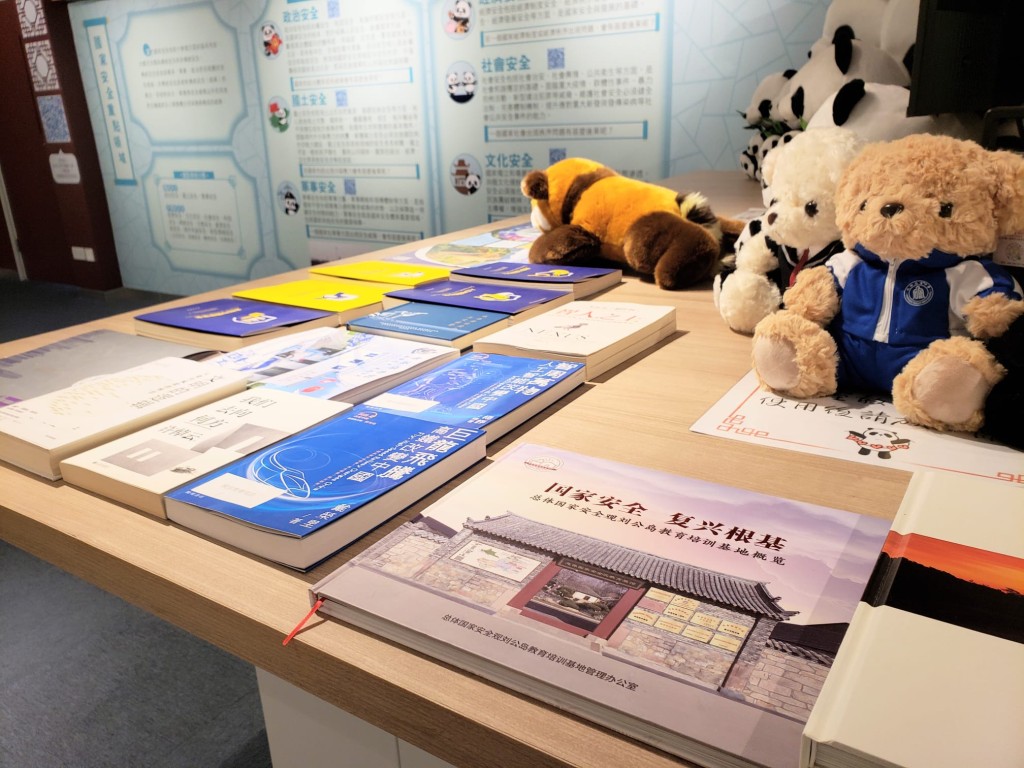
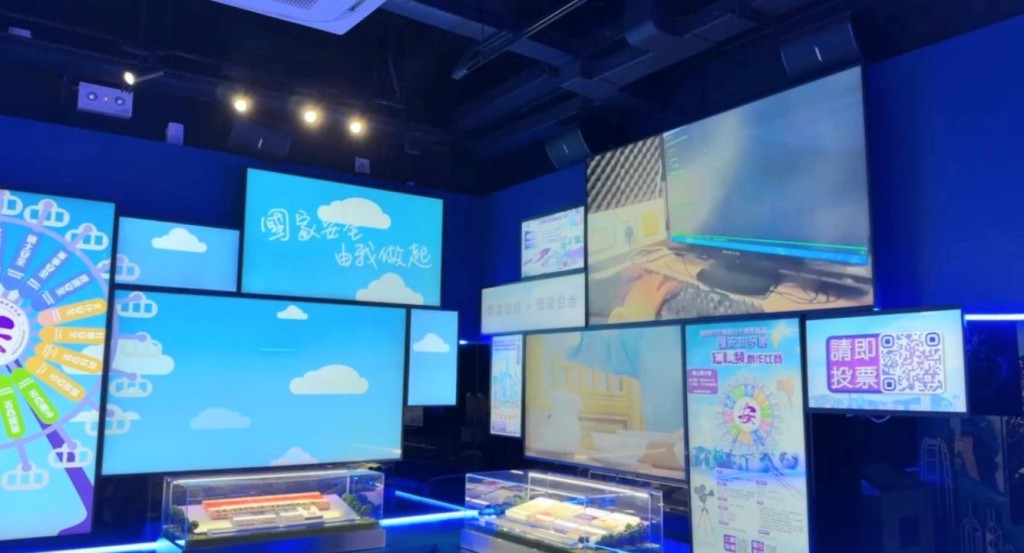
He noted that the center hosts a variety of seminars and formal courses to promote these values. To increase learning motivation and make the experience enjoyable for younger demographics, the center incorporates interactive board games and features engaging environmental designs decorated with bamboo leaves and pandas.
Tang strongly emphasized the overall importance of promoting patriotic education in Hong Kong, pointing out that it is essential for helping local youth cultivate their national identity while learning to cherish the "One Country, Two Systems" framework, which is vital for the continued development of both Hong Kong and the entire nation.
Furthermore, the Hong Kong Police Museum has recently completed renovations on its own special exhibition gallery.
This upgraded space is designed to review the five-year journey since the establishment of the National Security Law, helping citizens achieve a deeper and more comprehensive understanding of the subject.
The space is filled with interactive elements aimed at demonstrating in a lively manner how national security is closely tied to everyone's daily life.
Educational resources are also widely available across other platforms, including the Police College's "NSpeed" initiative and the official National Security Education Day website, all reinforcing the unified message that safeguarding national security is a shared responsibility for everyone.