Systemic failures and negligence exposed in Wang Fuk Court fire inquiry


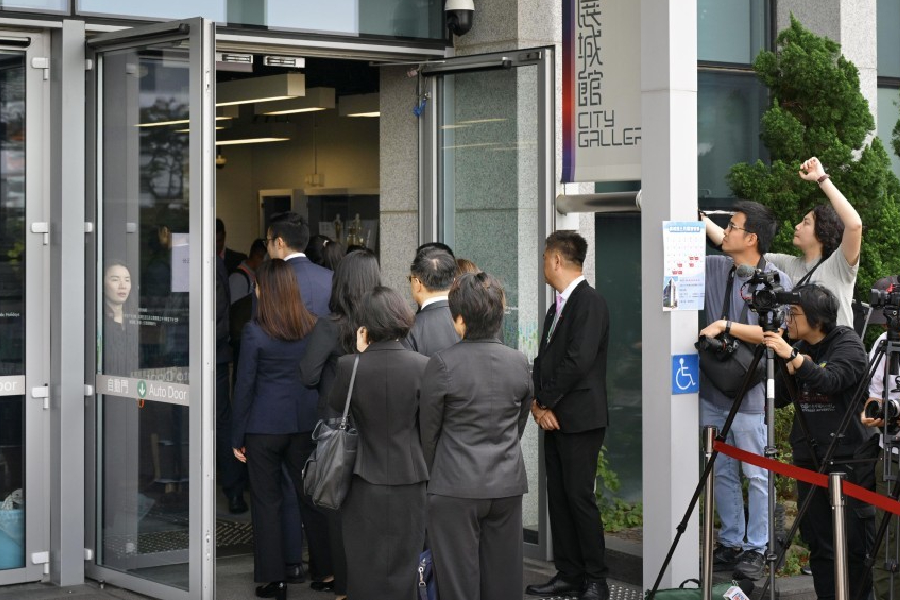
A public inquiry into the deadly Wang Fuk Court fire has uncovered a cascade of systemic failures, revealing that disabled fire safety systems, ignored warnings, and alleged cover-ups contributed to the tragedy.
The hearing exposed deep-seated issues in building management and regulatory oversight, prompting government promises of reform.
Senior counsel representing the government attributed the rapid spread of the blaze to a "chimney effect" created by the estate's light well, which funneled flames upward through the building.
This was exacerbated by multiple safety violations, including the use of flammable scaffolding nets and foam boards, unauthorized modifications to building access points, and piled-up construction waste.
A central focus of the inquiry has been the state of the fire prevention systems. The estate’s fire services contractor, China Status Development and Engineering, had applied 16 separate times to the Fire Services Department to disable fire equipment for maintenance.
This left fire hydrants and alarm systems across eight blocks inoperative for an extended period, and they remained unrestored when the fire broke out.
Shockingly, another contractor discovered the main fire pump switch had been off for months but failed to take decisive action beyond notifying the management office.
Testimony pointed to a culture of negligence and blame-shifting. The primary contractor, Prestige Construction & Engineering (PC&E), allegedly knew as early as June 2024 that the foam boards it was using posed a fire risk yet continued to use them.
WhatsApp messages suggested that PC&E and the former management committee chairman may have knowingly concealed the danger.
Furthermore, PC&E allegedly instructed a subcontractor to purchase cheaper, non-flame-retardant nets, and the couple running the subcontracting firm were reportedly told to coordinate their testimonies.
The property management company, ISS EastPoint Properties, also faced scrutiny. Despite receiving multiple complaints about safety hazards, including workers smoking on-site, it reportedly did little more than pass them along, with one property officer describing herself as merely a "messenger" with no real authority.
Residents accused the then-owners' corporation of being "drunk in power" and turning a blind eye to their concerns.
The inquiry also revealed serious irregularities in the project's tendering process.
The consultant firm, Will Power Architects, was hired for a fee far below the market rate and gave the winning bidder, PC&E, a perfect rating despite its 24 prior safety convictions.
Evidence also suggested PC&E was connected to at least four other bidding companies, a conflict of interest that the consultant failed to disclose.
Government to tighten oversight
In response, the government plans to amend the Buildings Ordinance to mandate third-party supervision for large-scale maintenance projects. It will also launch an enhanced "Smart Tender" system to combat bid-rigging.
Residents thank frontline heroes
Amid the accounts of failure, stories of heroism emerged. Residents expressed heartfelt gratitude for first responders, with one survivor calling firefighters and police "Hong Kong's pride."
Another recalled seeing what looked like "angels with halos" when rescuers broke down his door—the lights on the firefighters' helmets—and praising the one who carried him to safety despite slipping on the stairs.