Read More







HK movie producer Raymond Wong Pak-ming convicted of insider dealing
22-05-2026 17:10 HKT
Swire Properties wins compulsory auction for $2.02b Quarry Bay property
22-05-2026 20:36 HKT


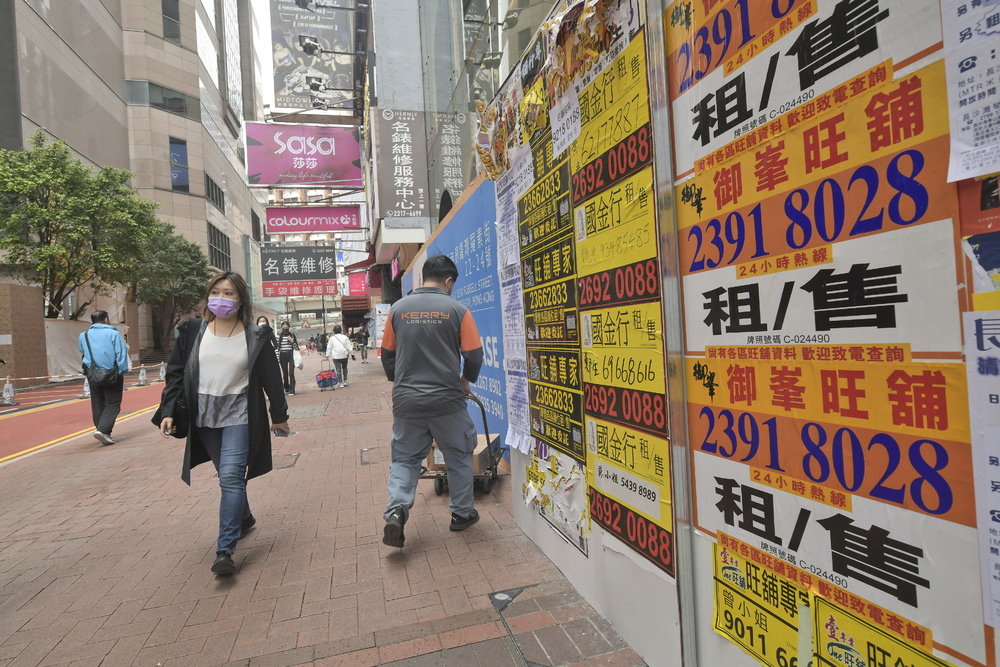
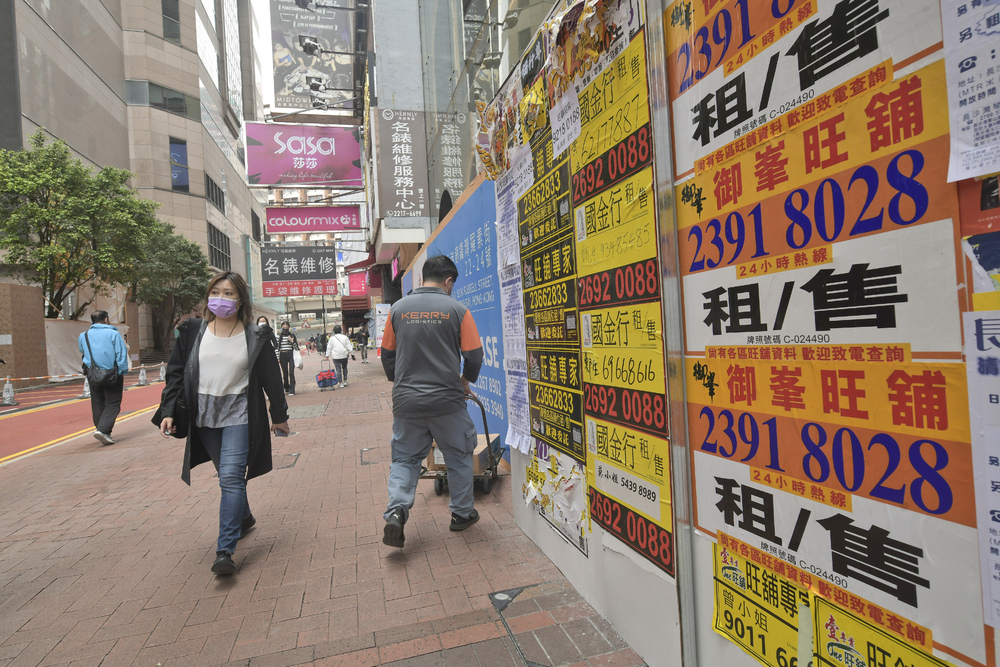
Landlords will be banned from evicting tenants or suing them for late rental payments for up to six months, similar to rules in Singapore, the United Kingdom and the United States.
The temporary law will be introduced to ease the financial burden of hundreds of thousands of small and medium-sized enterprises and save jobs, Paul Chan announced yesterday.
He also introduced measures of more than HK$170 billion to help businesses and individuals suffering from the Covid-19 wave.
The new Rental Enforcement Moratorium will be applied to tenants of specified sectors to prohibit landlords from terminating rental contracts or kicking them out of the properties even if they cannot pay rent.
The relief will be valid for three months and, if needed, extended for another three months, with the legislation set to automatically lapse after six months.
The short-term regulation will be gazetted tomorrow to carry a fine for landlords ranging from HK$50,000 to three times the sum of rents tenants owe them, a government source said.
Authorities are negotiating with the Legislative Council for the bill can be passed as soon as possible, as the next Legco meeting is set for March 16.
The source expects 130,000 tenants will be helped by the relief measure, as it will cover all sectors affected by health regulations, including restaurants and 23 types of premises closed amid stringent social distancing measures,including cinemas, bars, gyms and beauty parlors.
The protection will also cover 15 sectors under the sixth round of Anti-Epidemic Fund, such as kindergartens and tutorial centers, as well as retail stores and institutions offering extracurricular classes, which are also hit hard by outbreaks.
This came after Chief Executive Carrie Lam Cheng Yuet-ngor on Tuesday said the premises closure and dine-in ban after 6pm would be extended until April 20.
Chan said: "The arrangement will provide enterprises in deep water with breathing space and help secure employment."
Whether the law will eventually last for three or six months, Chan said it aims to allow more time for landlords and tenants to discuss and hopefully reach agreements on how to settle rents.
"They can talk it out, such as if the rents can be cut, or if landlords can accept partial payment and settle the remainder over a longer period of time," he said.
Asked if the policy will interfere with the SAR's free market, Chan said: "It won't have any effects on the development of our free market. Similar regulations have been implemented in the UK, US and Singapore and Hong Kong is not the first place to do it."
The source admitted that under the new law, tenants can still choose to delay their rent payments even if they have profits, but he said : "There's no perfect solution to this, but we're trying to adopt a standstill strategy and give enterprises room for survival."
He said the Hong Kong Monetary Authority will be in close communication with banks to exercise flexibility if landlords' repayment ability is affected due to the reduction of rental income.
The controversial measure was announced as Chan allocated HK$170 billion of counter-cyclical measures in his Budget yesterday.
He pledged support to enterprises during the pandemic, which is expected to boost the economy by around three percentage points.
Meanwhile, a tax deduction for domestic rental expenses will also be introduced to ease the burden of taxpayers who do not own homes and are renting a private flat.
Their salaries tax and tax under personal assessment will be subject to a deduction ceiling of HK$100,000 for a year of assessment.
It is expected that government revenue will be reduced by HK$3.3 billion with a bill to be tabled in Legco for scrutiny in the second quarter of this year.
The government source said citizens can only benefit from the tax deduction if they live in the rented venue, but there will not be a limit on how long they have rented the flat.
To prevent abuse, the tax deduction is not applicable for people renting properties owned by their parents or other relatives.
The source said rental levels in the SAR over the past two years have dropped. He believed the new tax will have no effect on rental prices.
Edwin Lee Kan-hing, founder of Bridgeway Prime Shop Fund Management, said the rental moratorium will make rent levels at closed premises drop by 3 to 5 percent but as a landlord himself, Lee said he is willing to give rental discounts to encourage tenants to pay rent on time.
Centaline Property's managing director for commercial properties, Stanley Poon Chi-ming, said the moratorium will affect the long-running spirit of contracts and could trigger owners' legal action to protect their own interests.
A veteran caterer and chairman of LH Group, Wong Kit-lung, said the delay in rental payment is not really a relief, but just to postpone their death.
"It's only an extension of their financial pressure," he said. "If they are suffering a serious deficit, their loss may be smaller if they fold their businesses earlier."
An owner of a frozen meat business agreed the moratorium may allow the unpaid rents to snowball into an even more unaffordable level.
"If you can't even pay HK$30,000 to HK$40,000 now for a month's rent, how are you supposed to pay over HK$100,000 of rent after three months?" he said.
jane.cheung@singtaonewscorp.com