Prosecutors say they will investigate the appearance of vast quantities of tiny toxic plastic pellets along the Atlantic coast that endanger marine life and human food chain.
The criminal probe will follow several legal complaints about the pellet invasion lodged by local authorities and the central government in Paris, said Camille Miansoni, chief prosecutor in the western city of Brest.
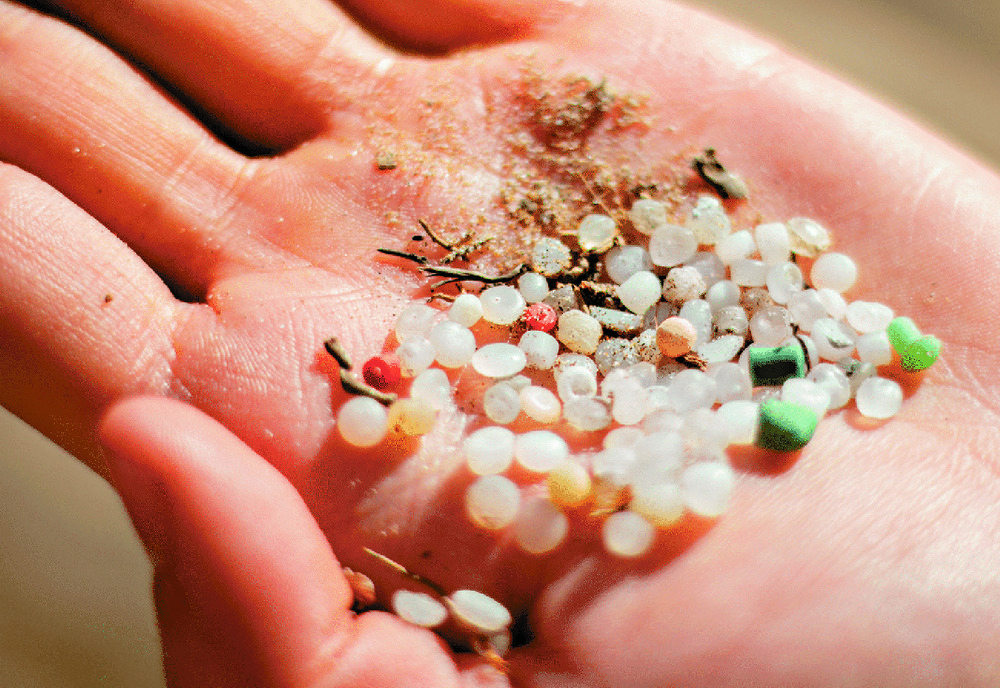
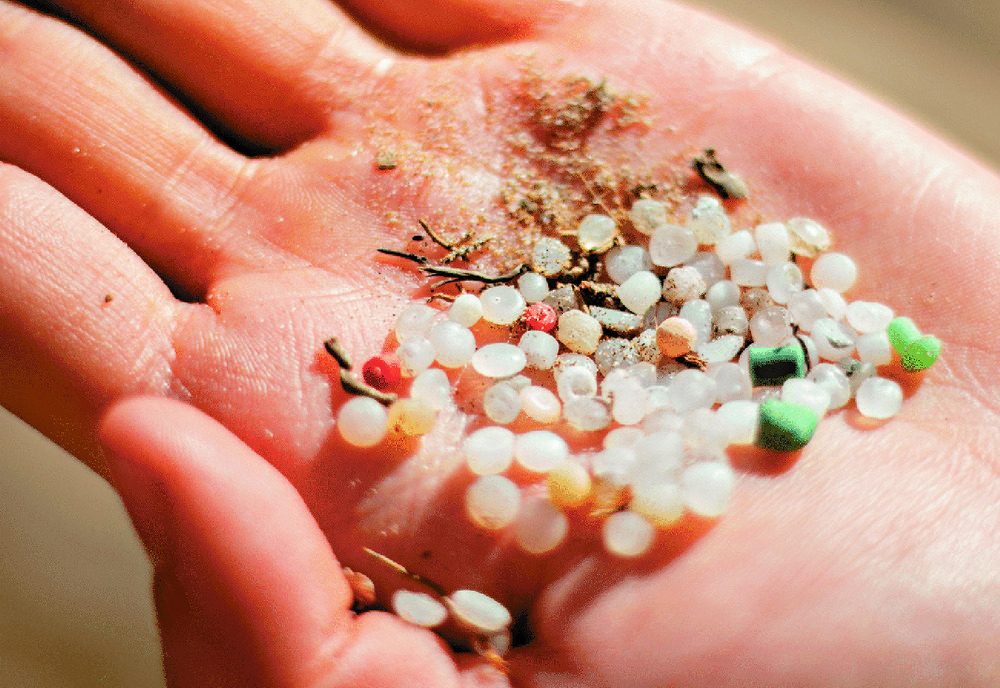
The microscopic pellets, called nurdles, are the building blocks for most of the world's plastic production, from car bumpers to salad bowls.
They are packed in 25-kilogram bags for transport, each containing around a million nurdles, which are also called "Mermaids' Tears."
But they can easily spill into the ocean when a cargo ship sinks or loses a container. Environmentalists also suspect that factories sometimes dump them into the sea.
Fish and birds often mistake them for food and, once ingested, the tiny granules can make their way into the diet of humans. Experts said the nurdles found along the coast of Brittany may have come from a plastic industry container that fell into the sea.
"We can't rule out a single source for the industrial pellets," said Nicolas Tamic at the Cedre pollution research body in Brest.
Around 100 people took part in a clean-up campaign on a microplastic-infested beach in Pornic in Brittany this month to collect pellets and draw attention to the problem.
"We think they've come from a container that may have been out there for a while and opened up because of recent storms," said Lionel Cheylus, spokesman for the nongovernment organization Surfrider Foundation.
"Our action is symbolic. It's not like we're going to pick up an entire container load," said Annick, a pensioner who joined the campaign.
Ingesting plastic is harmful for human health but nurdles, in addition, attract chemical contaminants found in the sea to their surface, making them even more toxic.
Measuring less than five millimeters in size, they are not always readily visible except when they wash up in unusually huge quantities, as has been the case since late November along the northwestern French coast.