Read More









HK movie producer Raymond Wong Pak-ming convicted of insider dealing
22-05-2026 17:10 HKT

Swire Properties wins compulsory auction for $2.02b Quarry Bay property
22-05-2026 20:36 HKT
Wallis Wang and Michael Shum
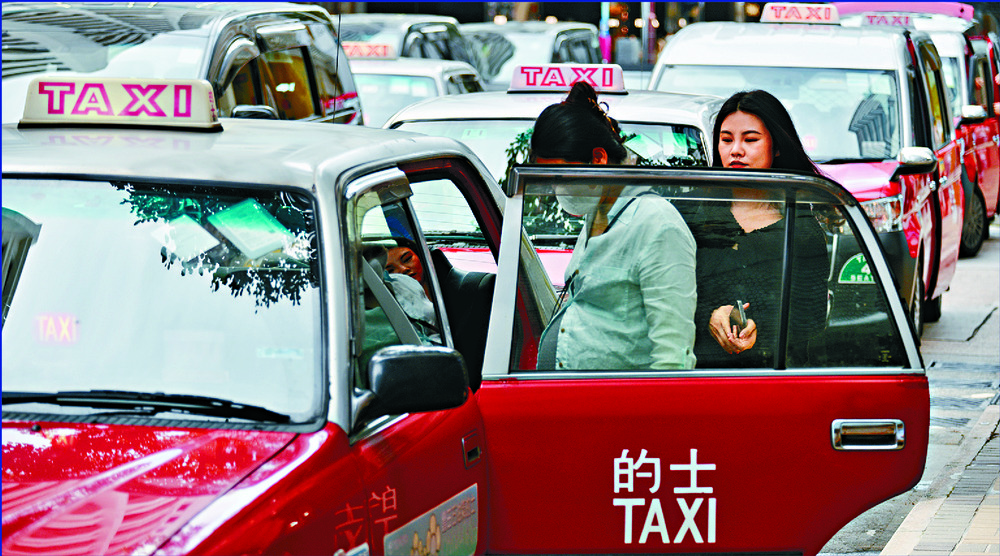
Online ride-hailing services should be regulated by issuing licenses with a bill by next year at the earliest while drivers who carry passengers illegally could have their licenses revoked for a year, the Transport and Logistics Bureau has proposed.
The bureau said the quality of taxi services should be improved at the same time.
In a document submitted to the Legislative Council's transport panel yesterday, the bureau said it has studied the online ride-hailing services in other regions - such as Shenzhen, Singapore, London and Japan - and found that car-hailing platforms need a license from the government.
"In general, the platforms must set up a company in the region where they operate and provide a local contact address and a person in charge so that the government can monitor their services," it said.
"There should also be a cap on their licensed operation period. They should apply for the license again once it expires."
These regions mandate insurance for cars and passengers, car examination and a background check for drivers, while punishing unlicensed vehicles offering ride-hailing services, the bureau added.
"We propose to regulate platforms providing online car-hailing services in Hong Kong while considering the overall demands for point-to-point transportation in the local market," it said, adding the government aims to complete a legislative proposal on regulating the platforms by next year.
The number of ride-hailing vehicles would have to be limited to ensure smooth traffic, the bureau said.
The Transport Department will study the demand for point-to-point transportation in the coming year to set a quota for legal online hailing cars as well as requirements for drivers and the platforms, it said.
With the regulation, taxis and other licensed vehicles can complement each other and cater to passengers' needs, such as providing vehicles that can accommodate wheelchairs and serving high-end customers, the bureau said.
"The regulation can allow drivers to be relieved and provide personalized point-to-point transportation services through a legal platform, which can attract more drivers to the industry," it added.
The bureau proposed to amend the law on combatting illegal carriage of passengers for hire or reward, as currently it does not specify the minimum period of license disqualification for an offender. It proposed to amend the Road Traffic Ordinance to revoke the license of a driver who carries passengers illegally for not less than a specified period - for example, a year.
The bureau is proposing to allow the court to impound vehicles carrying passengers illegally and revoke their licenses, even if authorities could not identify the driver involved.
Uber welcomed the government's direction, saying it is "something that we have long called for."
But it said it is critical for the government to come up with "a workable licensing regime."
It added: "Any move to cap the number of licenses would deal a blow to the many drivers who rely on the platform for flexible earnings opportunities. It would also risk making point-to-point transportation more expensive and less reliable for Hong Kong people."
Meanwhile, the Hong Kong Federation of Trade Unions urged authorities to issue licenses to platforms and require ride-hailing drivers to be licensed.
Lawmaker Aron Kwok Wai-keung suggested that licenses be issued gradually so the market can adapt to the change.
Coady, in his 30s, who bought a vehicle three years ago to be a full-time Uber driver, said he expects "everything to stay the same if the government really grants Uber a license." Except, he added, "Uber might take up a bigger share" of his income to cover the additional cost to fulfill the government requirements.
"I expect quite a number of drivers to quit as the income will be less attractive," Coady said. "But I do not have a choice, I still have to make money to repay my car loan, so I will have to do whatever I can to land myself a license to continue being a Uber driver."
DAB lawmaker Ben Chan Han-pan welcomed the government's decision to study regulating the online ride-hailing service, which he said meets people's demands and social changes.