Read More


HK movie producer Raymond Wong Pak-ming convicted of insider dealing
22-05-2026 17:10 HKT
Swire Properties wins compulsory auction for $2.02b Quarry Bay property
22-05-2026 20:36 HKT
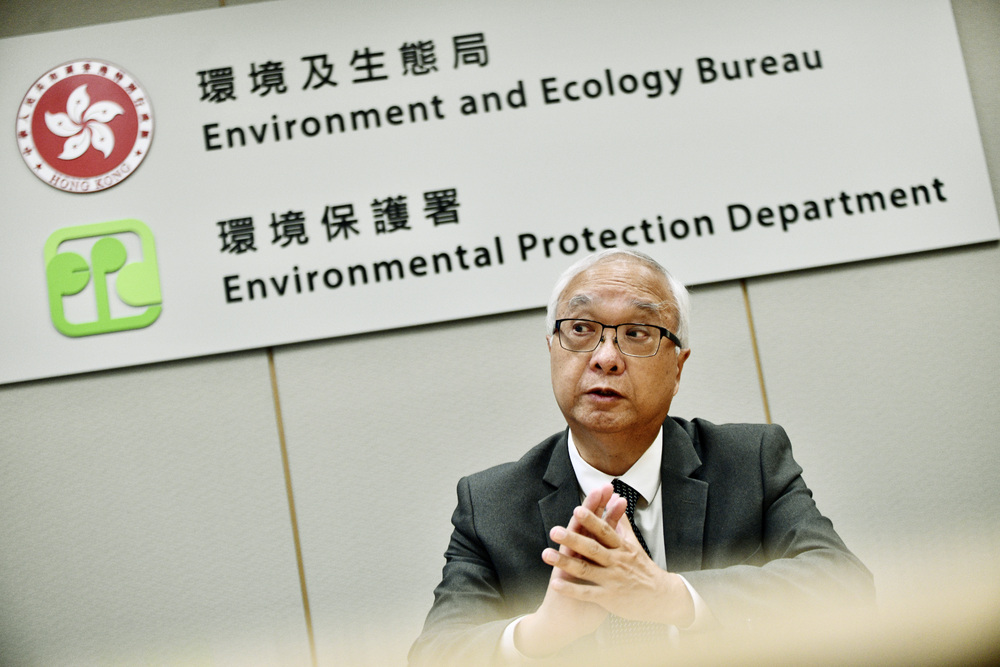
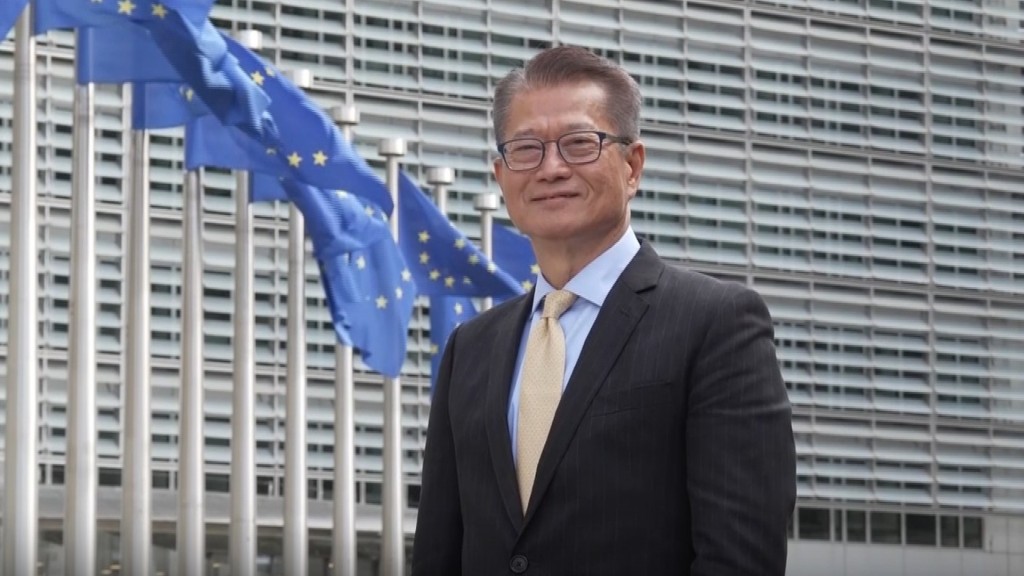
The chances of the government relaxing the seafood ban on 10 Japanese prefectures in the short term are slim, says Secretary for Environment and Ecology Tse Chin-wan.
The government still has to monitor other problems such as radioactive materials after Japan released nuclear wastewater from its damaged Fukushima power plant into the Pacific Ocean last month.
The government will also release more detailed radiation data on Japanese food products every month or two, Tse said in a wide-ranging interview with Sing Tao Daily, sister newspaper of The Standard, that also touched on waste, electric vehicles and how he has performed a year into office.
People will know whether the tested products have passed checks, Tse said.
Following the discharge of wastewater, the ban issued on August 24 covers the import and supply of all fresh, frozen, dried or processed seafood as well as sea salt and seaweed harvested, manufactured, processed or packed in Fukushima, Tokyo, Chiba, Tochigi, Ibaraki, Gunma, Miyagi, Niigata, Nagano and Saitama prefectures.
Tse said although there was no problem found in the data from the initial discharge, there is no guarantee that there will be no problems in the next 30 years.
The government will need to look at more statistics before considering relaxing the ban and may even impose stricter curbs in case aquatic products from other prefectures have radiation levels exceeding Hong Kong's standard.
"It is really not the time to discuss when to relax the ban," he said, stressing there is no timetable on when to ease the ban. He said authorities will soon start reporting radiation levels of Japanese imported food every one or two months and will conduct data analysis.
The government will continue to disclose to the public whether the food has passed radiation tests on a daily basis.
Tse said a food label is unnecessary in the current stage, as all Japanese food sold in Hong Kong has already been proved to be safe.
He also said he will not stop eating Japanese food despite the discharge, since the Hong Kong government puts great emphasis on checking food safety.
Separately, Tse said the long-awaited waste-charging scheme will come into force on April 1 at the earliest, followed by a six-month preparation period. The preparation period may be extended depending on how people adapt to the scheme.
He joked: "If middle-class households have no idea what's going on with the scheme, they deserve to be beaten."
Apart from the Environmental Protection Department's outreach team, Tse said authorities plan to work with community care teams to promote the scheme to the elderly, as well as those living in "three-nil buildings" - those that do not have owners' corporations, residents' organizations or are not hiring property management companies.
Tse also said more than 60 percent of newly registered private cars in Hong Kong are electric vehicles, and he expects there would be over 200,000 EV-charging facilities in three years. He said the government has been gradually charging drivers for charging services at government car parks, which were previously free.
The Environment Bureau was reformed into the Environment and Ecology Bureau last year, and the observatory - formerly under the Commerce and Economic Development Bureau - has been transferred to the EEB. There are no instructions for changes to the observatory over the past year.
As for how he has performed so far, Tse said: "I will leave it to the public to comment on my performance."