Civil servants have been told to be careful of what they say online.
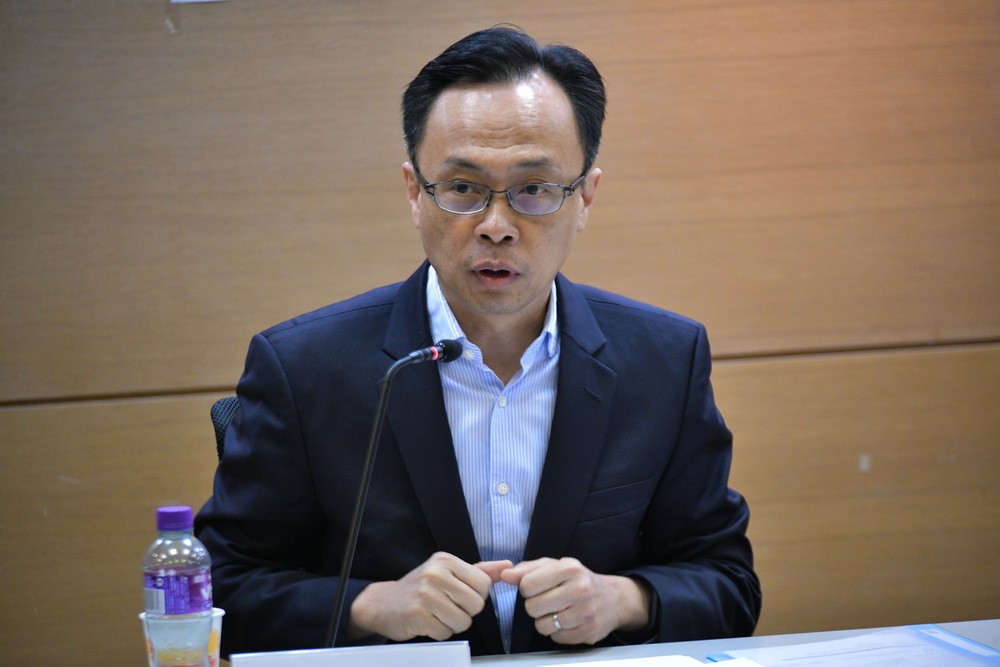
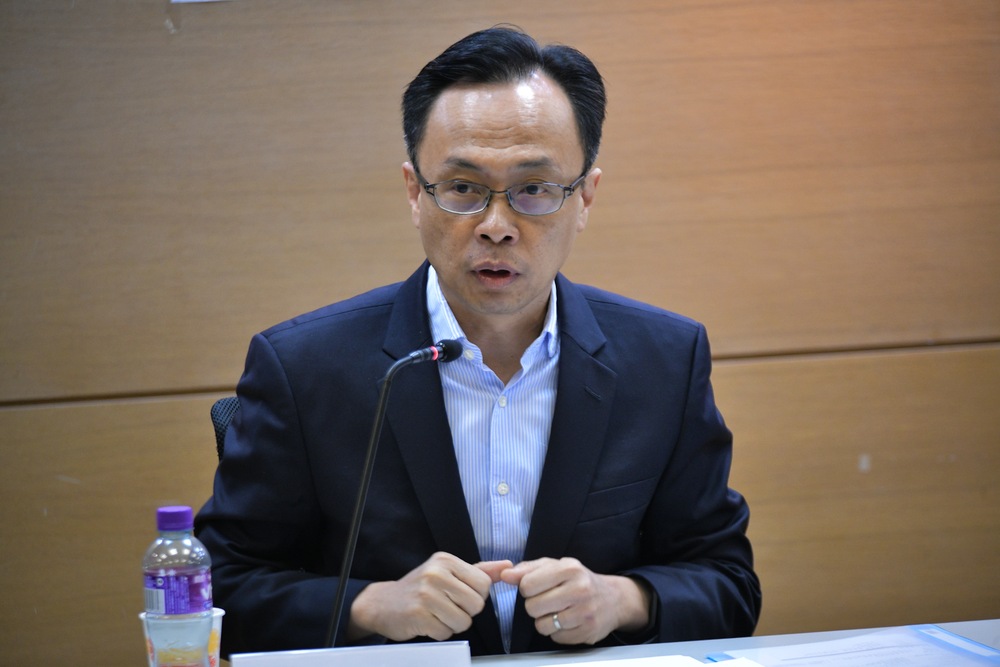
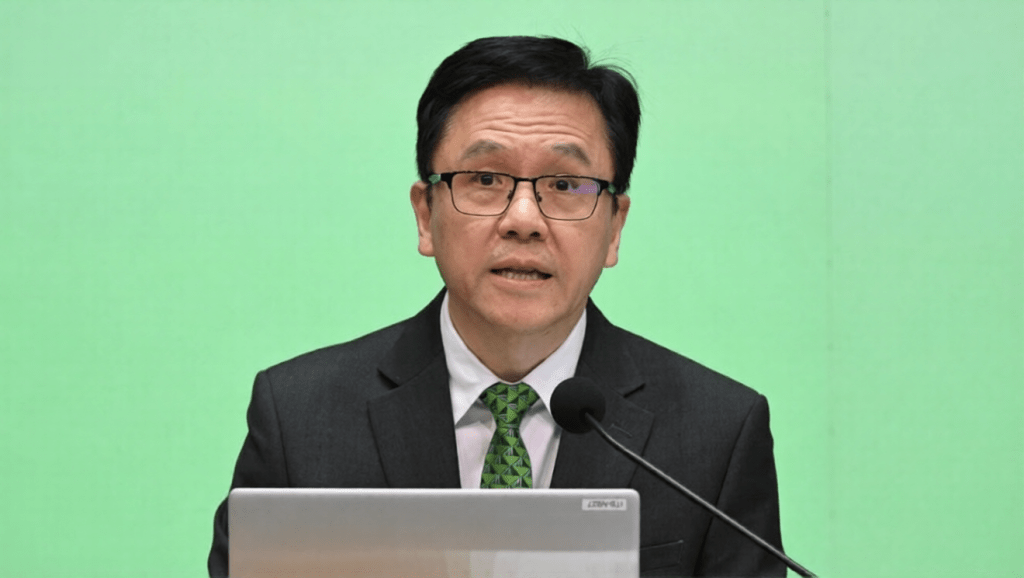
The caution came from Patrick Nip Tak-kuen, secretary for the civil service.
Comments between friends, he said, can become "not so private" views if spread around, and some people could read them in different ways.
Nip was on radio yesterday to expand on his remarks on Sunday that set off a controversy when he said that civil servants have double identities - public officers serving Hong Kong and also the country.
What he meant, Nip said, was that civil servants have an intrinsic national identity.
"When civil servants consider an issue they cannot adopt a 'localist' perspective - consider nothing but the SAR interests - or adopt a hostile or confrontational attitude toward the mainland," he said.
Asked if it would be a problem for civil servants to voice opinions on social media or sign petitions, Nip said people should be mentally prepared that private comments will get into the public domain.
"One could have made a comment on social media for friends only," he said, but "messages on these internet platforms are highly transmissible. One may think the comment is private, but it may end up being not so private."
So civil servants should consider consequences, such as whether it could be seen they oppose certain policies.
But Leung Chau-ting, chief of the Federation of Civil Service Unions, said on the same program that Nip's latest comments intensified concerns and raised questions about civil servants being penalized.
He said the long-standing mentality of civil servants is that they sign up to serve the Hong Kong SAR government and local residents.
But "now things are politicized. People have to think twice before making any comment over fears of repercussions."
And he did not agree civil servants must view the country as a boss too.
According to Basic Law Article 99, public servants "must be dedicated to their duties and be responsible to the government of the Hong Kong Special Administrative Region." The central government is not mentioned.
If the government wants to change the arrangement, Leung said, it should be written in black and white.
The head of the Union for New Civil Servants, Michael Ngan Mo-chau, said civil servants have a duty to speak up about political issues with the aim of lessening social tensions.
And Civic Party lawmaker Jeremy Tam Man-ho said Nip disregarded completely civil servants' political neutrality.
He said they would end up trying to guess Beijing's opinion when formulating policies.
The civil service bureau is now looking at the possibility of civil servants swearing allegiance to the Basic Law.
And Tam said what Nip aims for is censorship, paving the way to disqualify civil servants who criticize mainland officials.