Read More







Bowie Wu, 94, sets Guinness World Record at star-studded concert
08-06-2026 18:03 HKT

HK launches $50m 'AI for All' campaign to benefit 50,000 residents
08-06-2026 21:22 HKT


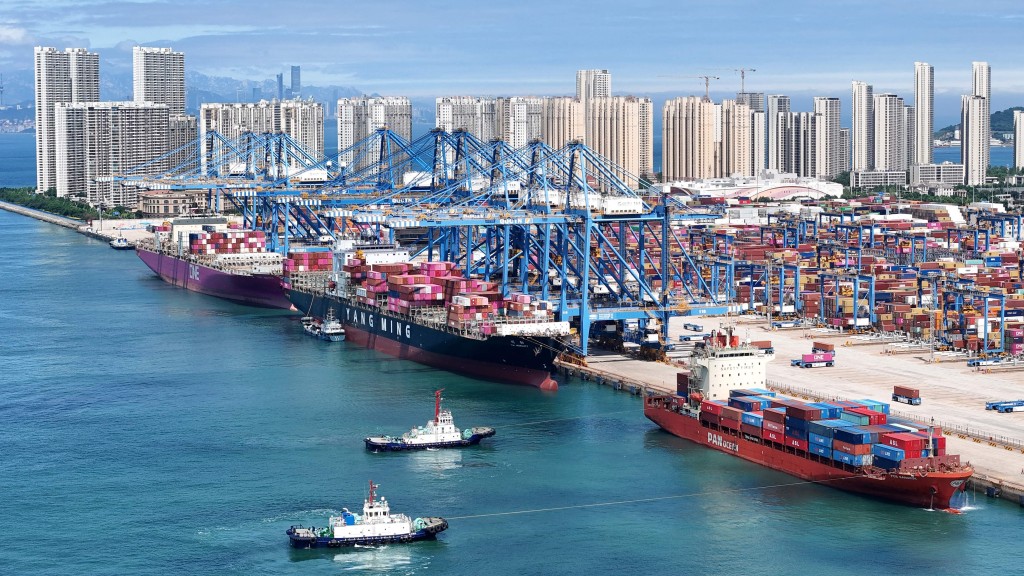
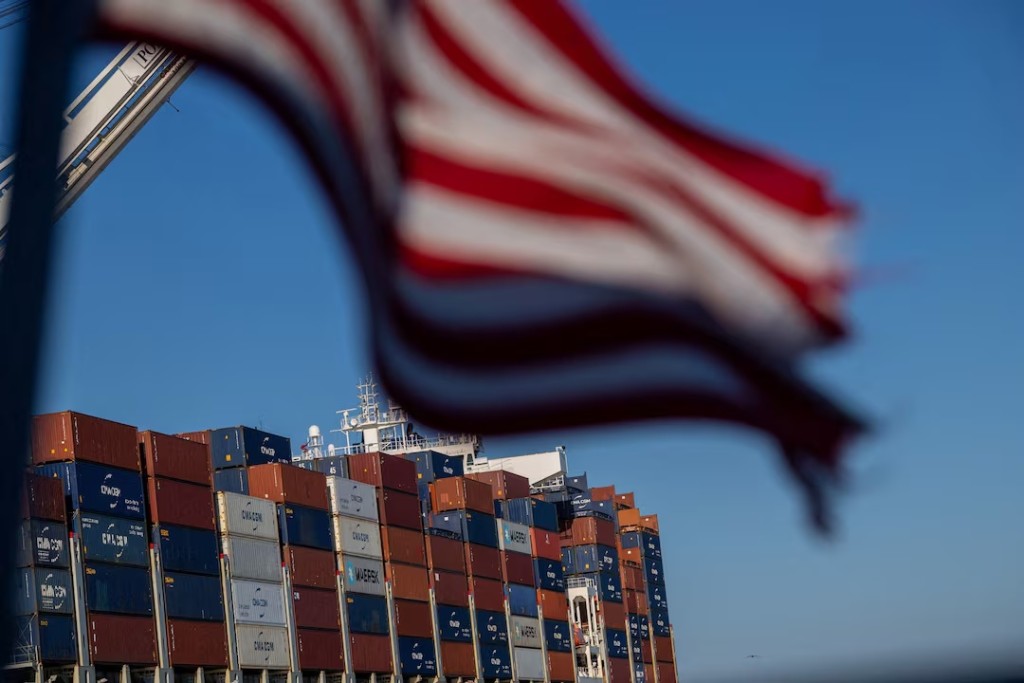
China’s exports picked up pace in May, as earlier front-loading by overseas buyers to pre-empt Gulf war energy costs fed through to shipments, while steady appetite for semiconductors and AI hardware lent additional support.
Exports expanded 19.4 percent from a year earlier in US dollar value terms, customs data showed on Tuesday, outpacing the 14.1 percent gain in April and a 15 percent rise tipped by economists.
Imports notched another strong month, climbing 27.4 percent versus a rise of 25.3 percent a month prior. Economists had forecasted growth of 25 percent.
The Middle East conflict has yet to dent China’s exports, policymakers’ preferred growth engine, but economists say the buffer is temporary as stockpiling peaks, costs rise and buyers begin running down inventories while they wait out a ceasefire.
Separate factory activity data for May showed a steep drop in new export orders from April’s two-year peak, when warehouse managers reported “booming” business amid a scramble by foreign factories to lock in supplies, suggesting the front-loading may be fading.
Strong exports powered China’s US$20 trillion (HK$156.74 trillion) economy past forecasts in the first quarter, but momentum has since slowed, reinforcing concerns that fragile domestic demand leaves it exposed to weaker global conditions and increases the likelihood of further policy support.
Beijing is under growing international pressure to strengthen domestic consumption, as critics warn its heavy reliance on imported inputs and re-exports is distorting trade and squeezing other emerging economies out of higher-value manufacturing.
The Organisation for Economic Cooperation and Development amplified that concern last week, noting in a report that nearly 60 percent of Chinese firms’ “market share gains can be explained by subsidies received.”
A new US Federal Reserve paper found that China’s trade surplus - measured against global GDP - has topped 1 percent, well above the peaks Japan and Germany hit in the late 20th century, and shows little sign of narrowing. That suggests persistent Chinese industrial overcapacity will reshape global manufacturing for years.
A closely watched meeting last month between US President Donald Trump and President Xi Jinping helped cool tensions but produced no meaningful breakthroughs, whether on tariff disputes or cooperation over ending the Iran conflict.
Reuters