Brighten Test Prep Centre
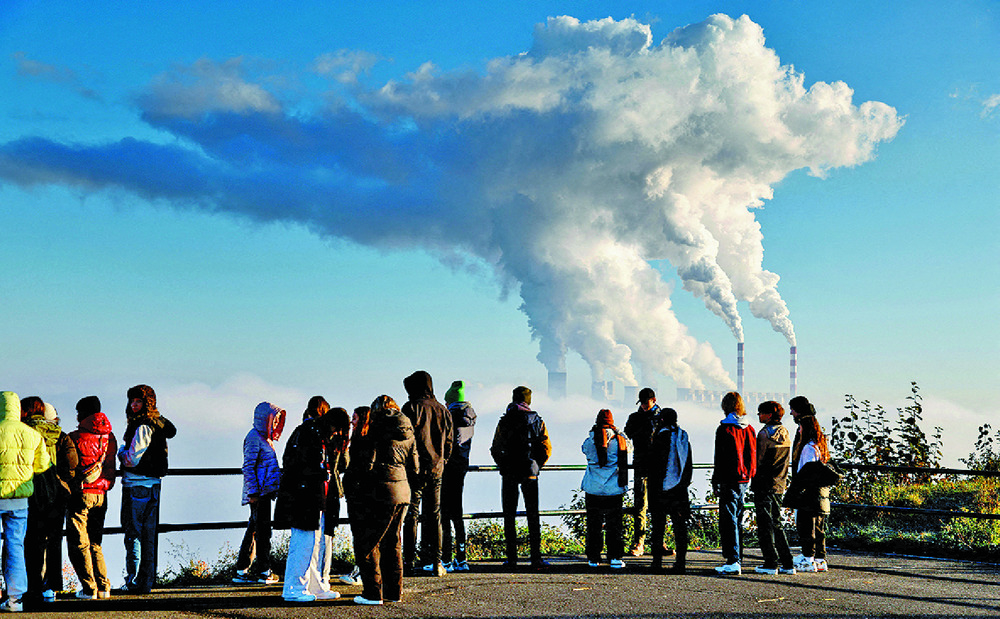
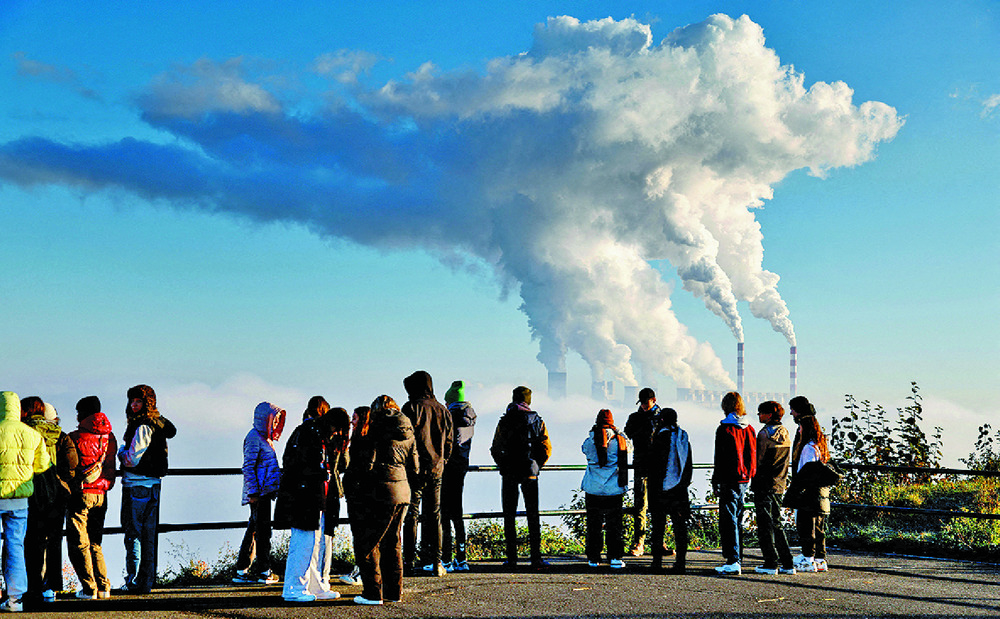
Starting from 2024, university students in Barcelona will have a mandatory module added to their curriculum: climate change. The course, thought to be a world first, was added after the University of Barcelona bowed to demands following a seven-day End Fossil Fuel protest.
It said it was "fully committed to working toward the eradication of the causes of the climate emergency and to mitigating its consequences."
Part of the protest involved a sit-in occupation, and the course was devised to help meet the demands of the activists.
This means that in a little over a year, 14,000 undergraduates and postgraduates will be required to take the mandatory course, as the university also devises a training program for its 6,000 academic staff.
The course will be worth five credits. Each credit represents 25 hours of study: 15 at home and 10 in class. With 50 teaching hours in class, the university is likely to need to hire more staff.
"To recognize that we all have to study this marks a change in the paradigm of university education," said Federico Demaria, an economics professor at the university and one of 200 who backed the students' demands.
"The trigger was the student occupation but it shows a general cultural change. Ten or 15 years ago the university would have sent in the police. But now you can't kick them out because you know they're right and society supports them."
Said Lucia Munoz Sueiro, an End Fossil activist and PhD student at the university: "It's not just another course on sustainable development. It combines the social and ecological aspects of the crisis, which are interrelated."
However, student and activist Lorenzo Velotti was disappointed that the university refused to accede to the group's other main demand: that it reject funding from the oil company Repsol and other businesses that profit from fossil fuels.
A committee of experts and academics largely nominated by the activists will meet to discuss the content of the course.
They include Jofre Carnicer, who sits on the International Panel on Climate Change.
Velotti said End Fossil put forward names of professors with established reputations in the field of the social and economic consequences of climate breakdown and that the university had agreed that these nominees would make up 60 percent of the commission tasked with devising the course.
Initially, mandatory elements of any curriculum might seem challenging. But remember that much of the early curriculum for undergraduate courses in the United States is mandatory. The same is true for some of the Hong Kong universities.
In the case of Barcelona, the curriculum is being redesigned in response to student wishes. Perhaps the climate crisis is just the first of a number of social justice issues to be built into obligatory studies?
If you have any questions about our column, or the issues raised within it, please e-mail them to us: enquiry@brightentestprep.edu.hk