Read More












HK movie producer Raymond Wong Pak-ming convicted of insider dealing
22-05-2026 17:10 HKT

Swire Properties wins compulsory auction for $2.02b Quarry Bay property
22-05-2026 20:36 HKT


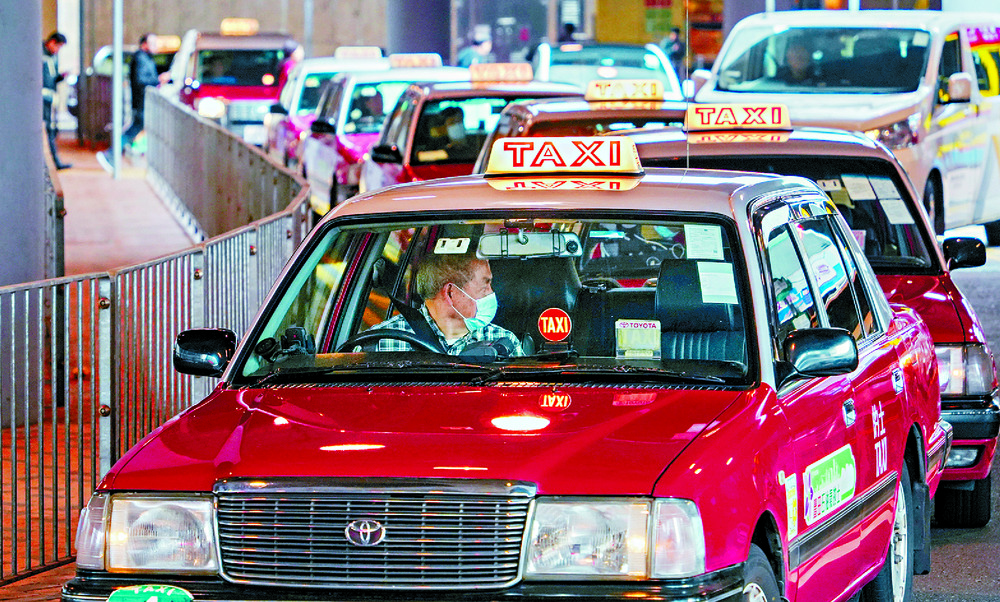
The taxi trade's threat to strike for five days unless the government responds by tomorrow is unlikely to yield meaningful results.
If history is any indication, Transport Secretary Mable Chan's response will likely be another appeal for patience while her bureau completes its review of a licensing regime to regulate app-based ride-hailing services.
This approach aligns with a global trend: rather than banning platforms like Uber outright, governments are increasingly opting to regulate them.
Hong Kong risks isolating itself if it fails to adapt to this shift, clinging to outdated taxi services in a digital age where even the mainland is aggressively transitioning to a tech-driven economy.
The taxi trade's grievances are not entirely unfounded.
It has accused mainland-based AutoNavi Taxi (Gaode Taxi or Gaode Ride-hailing) of betraying its partnership with local operators by expanding its services to include private cars. However, this so-called "betrayal" merely underscores the irreversible nature of the ride-hailing trend.
Can the taxi trade realistically expect the government to defy this global movement? At best, officials may promise stricter enforcement of existing laws until the review is complete.
Ultimately, the taxi trade must face reality: it can either adapt and coexist with ride-hailing platforms or sell its taxi licenses while they still hold value.
Strictly speaking, the strike is driven primarily by taxi license owners rather than drivers. Many drivers have already joined Uber, Gaode, or other platforms to expand their customer base.
While license owners grapple with declining license prices, drivers are increasingly benefiting from the convenience and reach of ride-hailing apps.
Complaints about taxi services are well-documented, and there's little need to revisit them here.
Last year, the government introduced measures such as penalty points, in-vehicle cameras, GPS tracking, dashcams, and electronic payment systems to improve service quality.
Until these improvements are fully realized, the trade stands little chance of garnering public sympathy through strikes, whether for five days or longer.
For years, the government has delayed regulating ride-hailing services, but recent promises from the transport secretary to propose legislation by year-end mark a rare and welcome commitment to a firm timeline.
Perhaps the strike will spur authorities to accelerate this process, bringing ride-hailing services out of the gray area and into a regulated framework.
In the meantime, the strike offers ride-hailing platforms an opportunity to demonstrate their ability to fill the gap seamlessly.
The taxi trade must recognize that its future lies not in resisting change but in embracing it - whether through adaptation or exit. The clock is ticking, and the choice is clear.