Read More


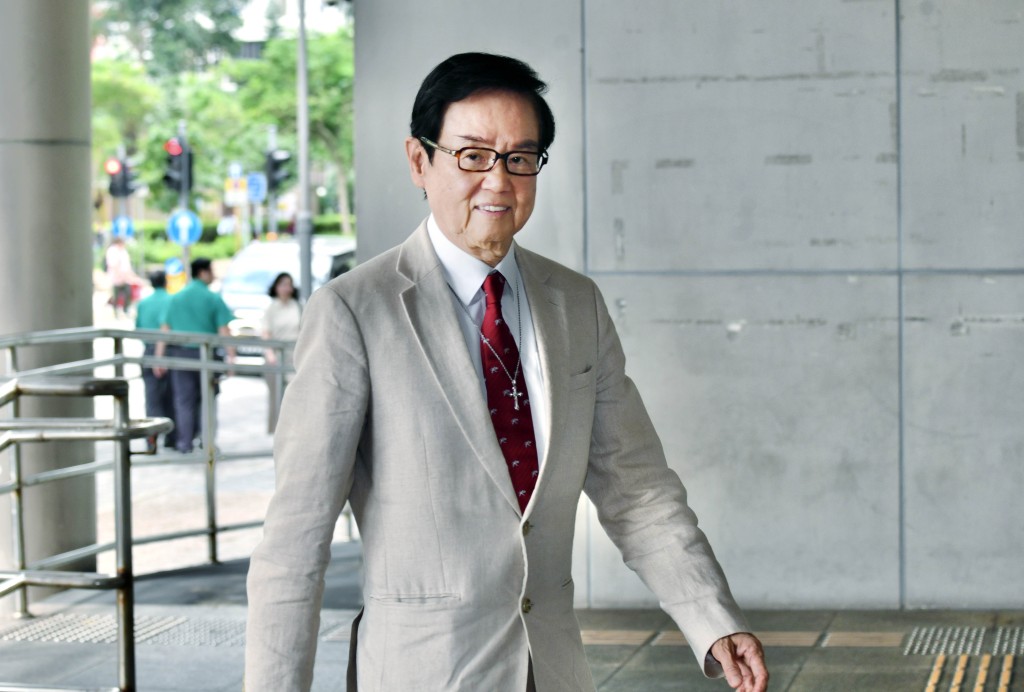
HK movie producer Raymond Wong Pak-ming convicted of insider dealing
22-05-2026 17:10 HKT
Swire Properties wins compulsory auction for $2.02b Quarry Bay property
22-05-2026 20:36 HKT
There have been too many confl icting messages in the past two days concerning the death of a 63-year-old man who had received the Sinovac Covid vaccine two days earlier.
Following a post-mortem’s preliminary fi ndings, an expert committee set up to review post-vaccine incidents concluded after a few hours that the man had not died of the vaccine but from pre-existing health conditions.
Fair enough. Although the man was not old in view of today’s longevity, he reportedly had multiple conditions that are not uncommon in Hongkongers of his age.
But then, it was bizarre for committee convenor Ivan Hung Fan-ngai to add the next day that he and other committee members had to look into probable indirect connections between the man’s sudden death and the vaccine. As far as the statement alone was concerned, that also seems fair.
The problem is that Hung should not have made the statement just one day later as it could give the impression that even the experts were not totally honest in the beginning. Why didn’t they mention this during the press conference?
No matter what Hung said, the public would still view the incident with suspicion because they knew the man had been given the vaccine just two days before he died.
It is only natural for people to be concerned over whether the vaccine could have induced complications from pre-existing health conditions.
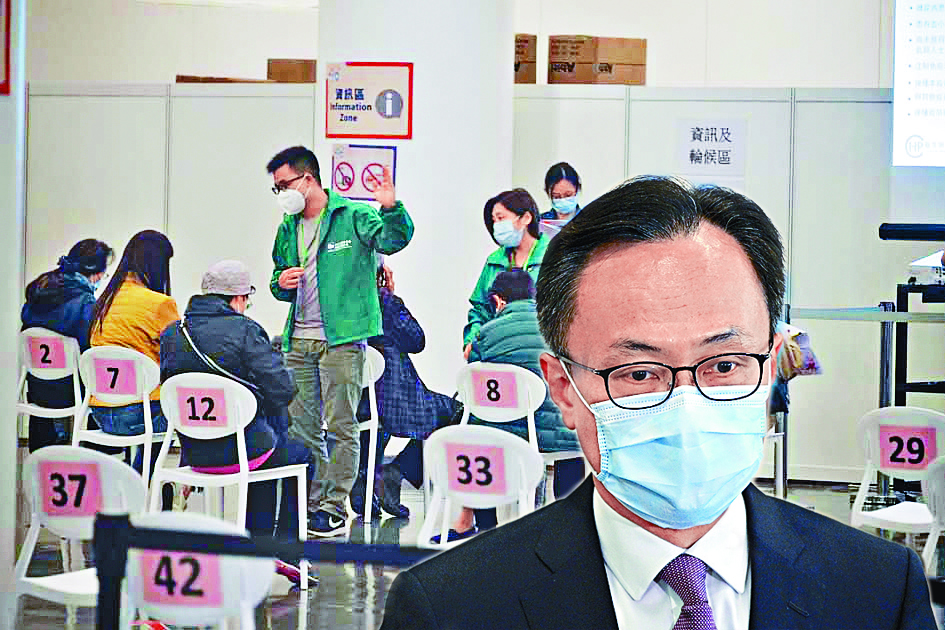
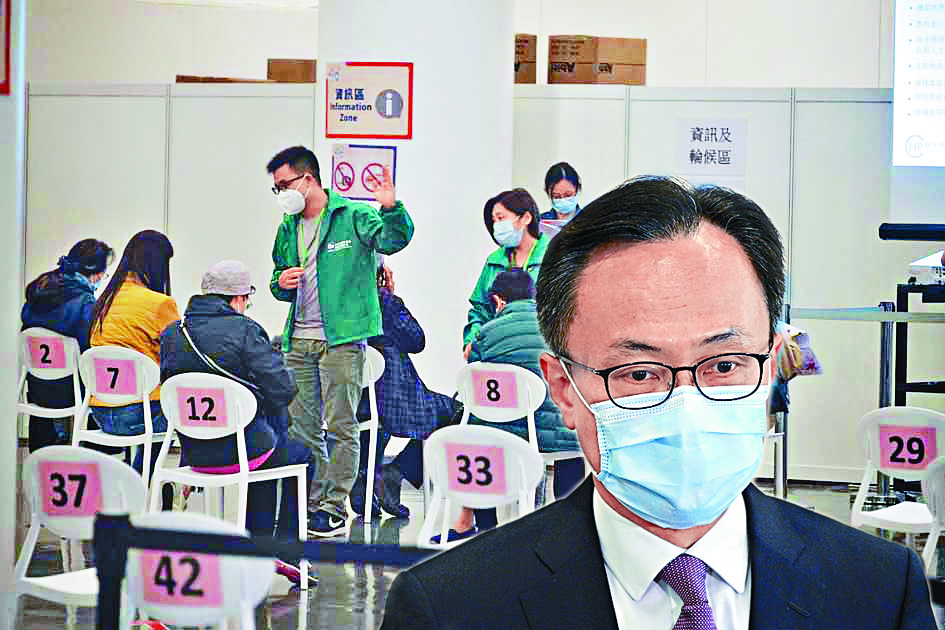
Then, vaccine minister Patrick Nip Tak-kuen made the situation worse by saying he was “mentally prepared” that some people might die after getting the vaccine.
We know Nip was commenting on the remote mathematical probability and, clearly, everyone is now also mentally prepared following the death of the vaccine recipient.
Could Nip have done better to prepare the public mentally instead of backtracking on pledges of vaccine safety?
It’s common knowledge that, in the world of medicine, no cure is absolutely safe –it is always relative.
Even the most widely administered vaccines to date – AstraZeneca, Pfi zer and Moderna – carry a degree of risk, no matter how remote that risk might be.
In confl icting words, they now say people with chronic diseases might be unsuitable for vaccination and ask them to consult private doctors to ascertain whether they can receive the vaccine.
Seems they are all but trying to pass the buck to others.
The statement was self-contradicting. For one, elderly people with health conditions are the most vulnerable to Covid and need to be protected the most.
Younger people, even if infected, usually recover from the virus readily and, therefore, are at the back of the queue.
Britain is among the leading countries to vaccinate its citizens, with its elderly population and patients with chronic illnesses already vaccinated.
The messages concerning mental readiness to prepare for vaccine deaths and the need to consult private doctors were hardly reassuring.
The situation is uncertain, but not uneducated. Instead of demonstrations of undertaking, these were expressions of selfprotection.
They might even lead some may to suspect it would be impossible to claim against the government’s HK$1 billion vaccine indemnity fund.
The vaccination program may be fi ne – but the messages over the past two days were fl awed.